What’s Inside
- Prioritize GREENGUARD Gold Certified Cribs
- Zero or Low-VOC Paints for Elegant Green Nursery Ideas
- Snag Solid Wood Furniture Over MDF
- Dress the Crib with GOTS Certified Organic Bedding
- Incorporate Non-Toxic Air-Purifying Plants
- Swap Synthetic Rugs for Natural Wool
- Use Glass or Silicone Baby Bottles for Display
- Install Organic Cotton Blackout Curtains
- Choose a Natural Rubber Pacifier
- Set Up a Plastic-Free Diaper Station
- Invest in a Non-Toxic Glider Chair
- DIY Natural Nursery Cleaners
- Hang Natural Wood or Organic Cotton Mobiles
- Use Woven Baskets for Toy Storage
- Affordable Green Nursery Ideas with Secondhand Finds
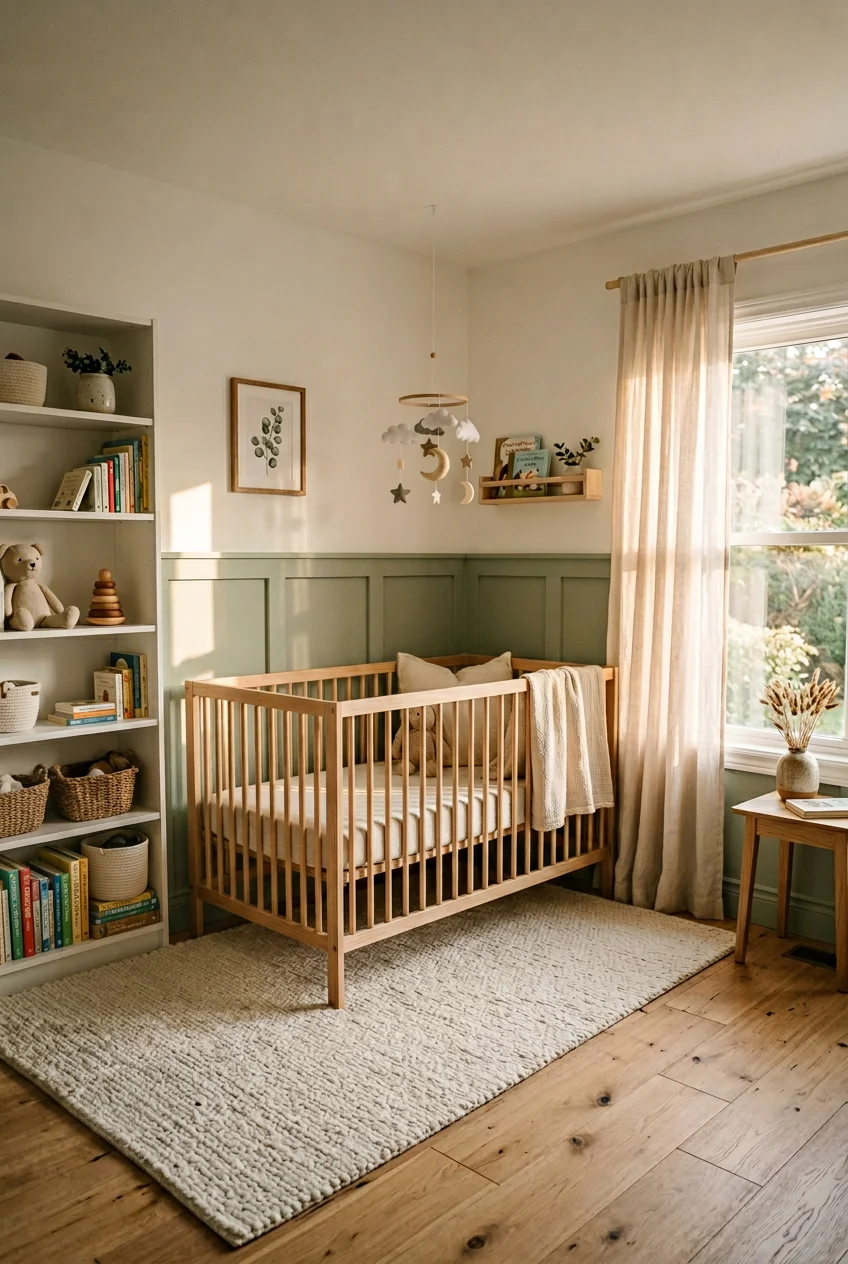
Last Tuesday at Target, I found myself pressing my nose against a plastic-wrapped crib mattress in the baby aisle. I inhaled a sharp, chemical smell that gave me an instant migraine. My stomach turned. That was my rock-bottom moment. I realized I couldn’t bring that toxic cloud into my baby’s room. Finding green nursery ideas shouldn’t require a chemistry degree or a massive trust fund. I did this wrong for months. I bought cheap synthetic rugs that smelled like gasoline and painted walls with stuff that made my eyes water for weeks. It’s exhausting. You don’t have to make my mistakes. Let’s talk about real ways to build a safe, non-toxic space for your little one. I’m sharing fifteen green nursery ideas that work, complete with prices and brands I’ve tested myself. Skip the filler. We want rich, solid, natural materials that smell clean and look gorgeous. Grab your coffee, and let’s get into the steps you need to take to build a healthy room.
1. Prioritize GREENGUARD Gold Certified Cribs

When you’re picking the centerpiece of the room, you must look for GREENGUARD Gold certification. This label means the crib has been screened for over 10,000 chemicals and VOCs. It guarantees low emissions so your baby isn’t breathing in chemical fumes while they sleep. I remember unboxing a cheap, non-certified crib for my first apartment; the smell of the glued particleboard lingered for three months. It was awful. Now, I swear by brands like Babyletto. Their Hudson 3-in-1 Convertible Crib costs $399.00 and is GREENGUARD Gold certified. If you have a larger budget, Romina Furniture makes solid wood options from $1,200.00 to $1,795.00. For the mattress, Naturepedic is my top choice. Their organic breathable crib mattress runs about $299.00. It feels firm and smells like clean cotton, not a factory. It’s worth the investment because your baby spends up to sixteen hours a day sleeping on it.
2. Zero or Low-VOC Paints for Elegant Green Nursery Ideas

You can’t just slap standard hardware store paint on your nursery walls. Most conventional paints release VOCs for years, which can mess with an infant’s respiratory system. I learned this the hard way when I painted a tiny bathroom with the windows closed and ended up with a two-day headache. For elegant green nursery ideas, look for muted, earthy tones like sage green, terracotta, and warm neutrals. I recommend Clare Paint. It’s zero-VOC, GREENGUARD Gold certified, and costs $64.00 per gallon. The coverage is thick, and there’s zero chemical odor when you roll it on. Last month, I was so stressed about picking the perfect shade of sage that I cried in the Whole Foods parking lot while stress-eating a $4.99 bag of organic white cheddar popcorn. Once I picked the color, I mixed 1/2 cup of warm water with a drop of dish soap to wipe down the baseboards. It made the process feel much cleaner.
3. Snag Solid Wood Furniture Over MDF

Engineered wood like MDF or particleboard is held together with toxic glues that often contain formaldehyde. You don’t want that near your baby’s lungs. You need solid wood like beechwood, oak, maple, or New Zealand pine. Romina Furniture is amazing because they use 100% solid beechwood with water-based finishes. If you’re on a budget, here’s a tip: the IKEA Sniglar crib is 100% solid beechwood and comes unfinished. It costs $79.00. I bought one for my sister’s baby shower and we sealed it ourselves. I melted 1/4 cup of natural beeswax and mixed it with 1/2 cup of organic olive oil to create a natural wood polish. We rubbed it into the raw wood with an old cotton t-shirt. It turned a rich, warm honey color and smelled faintly of honey and olive oil. It’s safe for a baby who will inevitably chew on the crib rail. It took me years to figure out that DIY trick.

Criusia Drawer Organizer Clothes
Criusia Drawer Organizer Clothes has been one of the most consistently praised picks in this category. 1 reviewers averaged 4.5/5.
4. Dress the Crib with GOTS Certified Organic Bedding

Your baby’s skin is thin and absorbs everything. This is why you must use bedding made from GOTS certified organic cotton, linen, or bamboo. This certification guarantees the textiles are free from pesticides, synthetic fertilizers, and toxic dyes. I used to buy those cheap, stiff polyester-blend sheets because they had cute cartoon animals. Big mistake. They felt scratchy, like cheap paper towels, and made my baby sweat. Now, I only buy from brands like Naturepedic, Coyuchi, Makemake Organics, and Monica + Andy. A high-quality organic cotton crib sheet usually ranges from $20.00 to $60.00. I recently bought a gorgeous rust-colored Coyuchi sheet for $48.00. The texture is soft, like a vintage t-shirt. Before putting it on the mattress, I always wash it in 1/4 cup of unscented, plant-based laundry detergent. It comes out of the dryer feeling like a dream.
5. Incorporate Non-Toxic Air-Purifying Plants

Adding living nature to the room is a beautiful way to enhance indoor air quality. Plants breathe in carbon dioxide and toxins and breathe out oxygen. You have to be careful which plants you bring into a house with a baby. I made a mistake a few years ago by putting a pothos in the nursery, only to find out it’s toxic if ingested. I had to throw it out. Now, I stick to safe options like spider plants, Boston ferns, or parlor palms. I picked up a lush spider plant from Trader Joe’s last week for $5.99. I placed it on a high shelf, out of reach of little hands. It adds a pop of vibrant green. I water it with 4 oz of filtered water every Sunday morning. The damp soil smells fresh, bringing a piece of the outdoors inside. You might also like: 20 Clever Daycare Nursery Room Ideas You Can Try Today
6. Swap Synthetic Rugs for Natural Wool

Most cheap nursery rugs are made of synthetic materials like polypropylene, which are just spun plastics. They are treated with stain repellents and flame retardants that off-gas VOCs. I once bought a geometric synthetic rug online, and the plastic stench was so overpowering I had to leave it in the garage for two weeks. It felt slick and scratchy. You’re better off investing in a natural fiber rug made of 100% wool or organic cotton. Wool is naturally flame-resistant, durable, and repels dust mites. I found a plush 100% wool rug from Rugs USA for about $250.00. The texture is soft enough for tummy time. To keep it smelling fresh without toxic carpet powders, I sprinkle 1/2 cup of baking soda over it, let it sit for twenty minutes, and vacuum it up. It removes odors naturally. You might also like: 20 Lovely Space Saving Small Nursery Ideas for Every Budget

Delta Children Nursery Storage 48 Piece Set
Delta Children Nursery Storage 48 Piece Set – Easy Storage/Organizatio punches above its price — 17 buyers rated it 4.5 stars. I would buy it again.
7. Use Glass or Silicone Baby Bottles for Display

Many parents set up a mini-fridge in the nursery for those 3 AM feeds. If you’re doing this, ditch the plastic bottles. Even BPA-free plastics can leach microplastics when heated. I had a panic attack about this while wandering Walmart. I threw all my plastic bottles in the recycling bin and grabbed a 3-pack of Dr. Brown’s glass bottles for $16.99. I bought the 4 oz size for the newborn days and 8 oz for later. They are heavy and feel cleaner than plastic. They don’t hold onto that sour milk smell. I wash them by hand using 2 tablespoons of liquid Castile soap and hot water. They dry crystal clear and look beautiful on a wooden tray on the dresser. It’s a small swap, but it makes the feeding station feel much better. You might also like: 15 Inspiring Rustic Nursery Room Ideas to Inspire Your Next Project
8. Install Organic Cotton Blackout Curtains

Blackout curtains are a lifesaver for sleep, but most people get this wrong. The majority of blackout curtains get their power from a thick layer of toxic PVC plastic lining. When the afternoon sun hits that plastic, it bakes the PVC and off-gasses chemicals into the room. It smells like a cheap shower curtain in a hot car. I refuse to use them. Instead, I look for curtains made from heavy organic cotton canvas or linen with a non-toxic lining. Pottery Barn Kids sells organic cotton blackout panels for about $89.00 per panel. They feel heavy and luxurious. The woven cotton adds warmth without any chemical smells. They block out streetlights, creating a cave-like environment that helps the baby sleep without exposing them to heated plastics.
9. Choose a Natural Rubber Pacifier

If you’re keeping a jar of pacifiers on the nursery shelf, make sure they aren’t made of synthetic plastics or dyed with toxic colors. Your baby will be sucking on this for hours every day. I was browsing the baby aisle at Sprouts and noticed how many pacifiers are hard, rigid plastic. I prefer 100% natural rubber pacifiers. Bibs is my favorite brand. You can get a 2-pack for $14.99. They are made from rubber tapped from Hevea trees. When you open the package, they have an earthy smell, almost like a natural rubber band. That smell fades quickly, but it’s a great indicator that you’re holding a natural product. The texture is soft, flexible, and mimics the feel of skin. I keep a glass jar filled with these next to the glider so I’m never searching for one in the dark.

Criusia Over the Door Organizer
Honestly, Criusia Over the Door Organizer surprised me — sturdier than it looks in the photos, and over 218 buyers gave it 4.5 stars.
10. Set Up a Plastic-Free Diaper Station

The changing table is where you’ll spend an absurd amount of time, so it needs to be non-toxic. Traditional changing pads are made of polyurethane foam covered in a crinkly vinyl cover. The vinyl off-gasses, and the foam degrades. I suggest investing in a medical-grade wipeable changing pad. The Keekaroo Peanut Changer costs $149.00 and is made from a non-toxic polyurethane polymer that is durable and impermeable. It feels dense and slightly squishy, with a smooth surface. When my baby has a blowout, I don’t have to throw a cover in the wash. I mix 1/2 cup of warm water with 1 tablespoon of vinegar in a bowl, dip a cloth in it, and wipe the pad clean. It takes ten seconds, smells like vinegar for a moment, and keeps the nursery sanitary. Trust me, it’s a lifesaver.
11. Invest in a Non-Toxic Glider Chair

You’ll spend countless hours rocking and feeding your baby in the nursery glider. Many cheap chairs are filled with toxic polyurethane foam and sprayed with flame retardants. I once sat in a cheap glider at a discount store, and every time I rocked, it let out a loud squeak, and the rough polyester fabric scratched my arms. It was miserable. I checked Costco, but I eventually went with the Babyletto Kiwi Electronic Recliner for $799.00. It’s GREENGUARD Gold certified, meaning the foam and fabrics are tested for emissions. The fabric is a soft, boucle-like texture that feels cozy. It glides silently, which is crucial when you’re trying to put a sleeping baby down. It’s a significant investment, but you want it to be as safe and comfortable as possible.
12. DIY Natural Nursery Cleaners

Once you’ve set up a non-toxic room, you can’t spray it down with harsh cleaners filled with synthetic fragrances. I used to buy those bright blue glass cleaners, but the ammonia smell burned my nostrils. Now, I make my own cleaner in two minutes. I bought an amber glass spray bottle from Kroger for $3.49. Inside, I pour 1/2 cup of distilled white vinegar, 2 cups of distilled water, and 10 drops of organic lemon essential oil. I shake it up and it’s ready. I use it to wipe down the crib rails, the dresser, and the windows. The vinegar cuts through fingerprints, and the lemon oil leaves a fresh scent that smells like actual lemons. It’s cheap, safe if the baby licks the furniture, and works better than the store-bought stuff.

Beautiful Wooden Baby Closet Dividers Set of 7
If you want something that just works, Beautiful Wooden Baby Closet Dividers Set of 7 – Double-Sided Organize is a safe bet (11 reviews, 4.5 stars).
13. Hang Natural Wood or Organic Cotton Mobiles

Mobiles are often the first thing your baby focuses on, so they should be visually calming and made of safe materials. The market is flooded with cheap plastic mobiles that play tinny, electronic music. I can’t stand them. Instead, look for mobiles made from natural wood, felted wool, or organic cotton. I love the Pehr organic cotton mobiles. They cost about $85.00 and feature hand-felted animals or celestial shapes. I hung a soft sheep mobile above my crib. The texture of the felted wool is fuzzy, and because it’s lightweight, it catches the breeze from the window and spins silently. It doesn’t need batteries, it doesn’t flash LEDs, and it doesn’t off-gas plastics. It provides a gentle, analog visual stimulation that helps soothe the baby. I hung it using a wooden arm attached to the crib, avoiding any plastic clamping.
14. Use Woven Baskets for Toy Storage

Plastic toy bins are out. They crack, they look messy, and they introduce unnecessary plastics. For elegant green nursery ideas, you want natural textures. I prefer woven baskets made from seagrass, rattan, or organic cotton rope. I picked up a set of seagrass baskets from Target for $24.99 each. They have a scratchy, organic texture and smell faintly of sweetgrass. If you want something softer that won’t scratch little hands, the Olli Ella cotton rope baskets are fantastic and cost about $45.00. I use a large one for stuffed animals, a medium one for swaddles, and a small one on the changing table to hold 4 oz jars of natural diaper balm. Having these textures around the room makes it feel like a sophisticated space rather than a chaotic playroom. Plus, these baskets transition perfectly into a big kid room.
15. Affordable Green Nursery Ideas with Secondhand Finds

Creating an eco-friendly nursery doesn’t mean you have to buy everything new. One of the best green nursery ideas is to buy secondhand solid wood furniture. Older furniture has already finished its off-gassing process years ago. I scored a solid oak vintage dresser on Facebook Marketplace for $50.00. It was dusty and had a few scratches, but the bones were perfect. I brought it home and scrubbed it down with 4 oz of Murphy’s Oil Soap mixed into a bucket of warm water. The garage smelled like fresh citronella and wood. I swapped out the rusty knobs for brushed brass handles I found online. It looks like a thousand-dollar designer piece, but it cost me almost nothing. Buying secondhand keeps furniture out of landfills and gives you access to high-quality pieces. Just make sure to test any painted vintage pieces for lead paint before bringing them home. It’s my favorite piece in the house.
Designing a green nursery doesn’t have to be a stressful chore. By making a few swaps like choosing GREENGUARD Gold cribs, zero-VOC paints, and natural wool rugs, you’re creating a sanctuary that is genuinely safe for your baby to grow and breathe in. I’ve made all the mistakes so you don’t have to. Start small, pick a few of these elegant green nursery ideas to try this weekend, and don’t stress about being perfect. This changed how I view my entire home, not just the baby’s room. If you found these tips helpful, please save this post or pin it to your nursery mood board so you can reference these brands and prices when you’re ready to shop. You’ve got this!
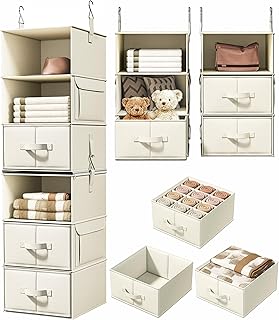
Vailando 6-Shelf Hanging Closet Organizer with 3 Drawers
Vailando 6-Shelf Hanging Closet Organizer with 3 Drawers punches above its price — 35 buyers rated it 4.5 stars. I would buy it again.
Frequently Asked Questions
What makes a nursery eco-friendly?
An eco-friendly nursery prioritizes non-toxic, sustainable materials. This includes using zero-VOC paints, GREENGUARD Gold certified furniture, organic cotton bedding, and natural wood instead of MDF to ensure the room has safe indoor air quality.
Are GREENGUARD Gold cribs worth the price?
Yes, they are absolutely worth it. This certification ensures the crib has been rigorously tested for over 10,000 harmful chemicals and VOCs, drastically reducing the chemical emissions your baby breathes in while they sleep.
What is the best paint for a green nursery?
The best paints are zero-VOC or low-VOC formulas. Brands like Clare Paint offer GREENGUARD Gold certified options that dry without releasing harmful chemical fumes, making them much safer for infant respiratory systems.
Can I use real plants in my green nursery ideas?
Yes, real plants naturally purify the air! However, you must choose non-toxic varieties like spider plants or Boston ferns, and always keep them on high shelves out of reach of curious babies and pets.
