What’s Inside
- Swap the Antique Crib for a Vintage-Style Replica
- Repurpose a Heavy Oak Dresser as a Changing Station
- Anchor the Room with a Distressed Persian Rug
- Create a Focal Point with Vintage-Inspired Wallpaper
- Layer Antique Brass Sconces for Mood Lighting
- Frame Heirloom Baby Clothes in Shadow Boxes
- Add a Classic Wooden Rocking Horse
- Curate a Mismatched Gilded Gallery Wall
- Introduce Raw Wood Tones with a Milking Stool
- Ditch the Over-Themed Decor for Muted Palettes
- Stack Vintage Suitcases for Hidden Storage
- Hang Wicker Baskets for Wall Storage
- Drape Nostalgic Floral Textiles over Modern Furniture
- Test Every Single Painted Surface for Lead
- Embrace the Lived-In Look with Imperfect Pieces
- Try Color Drenching to Modernize the Antiques
- Use Antique Bookcases for Toy Display
- Install a Ceramic Table Lamp with a Painted Shade
- Mount a Vintage Ornate Mirror to Expand the Space
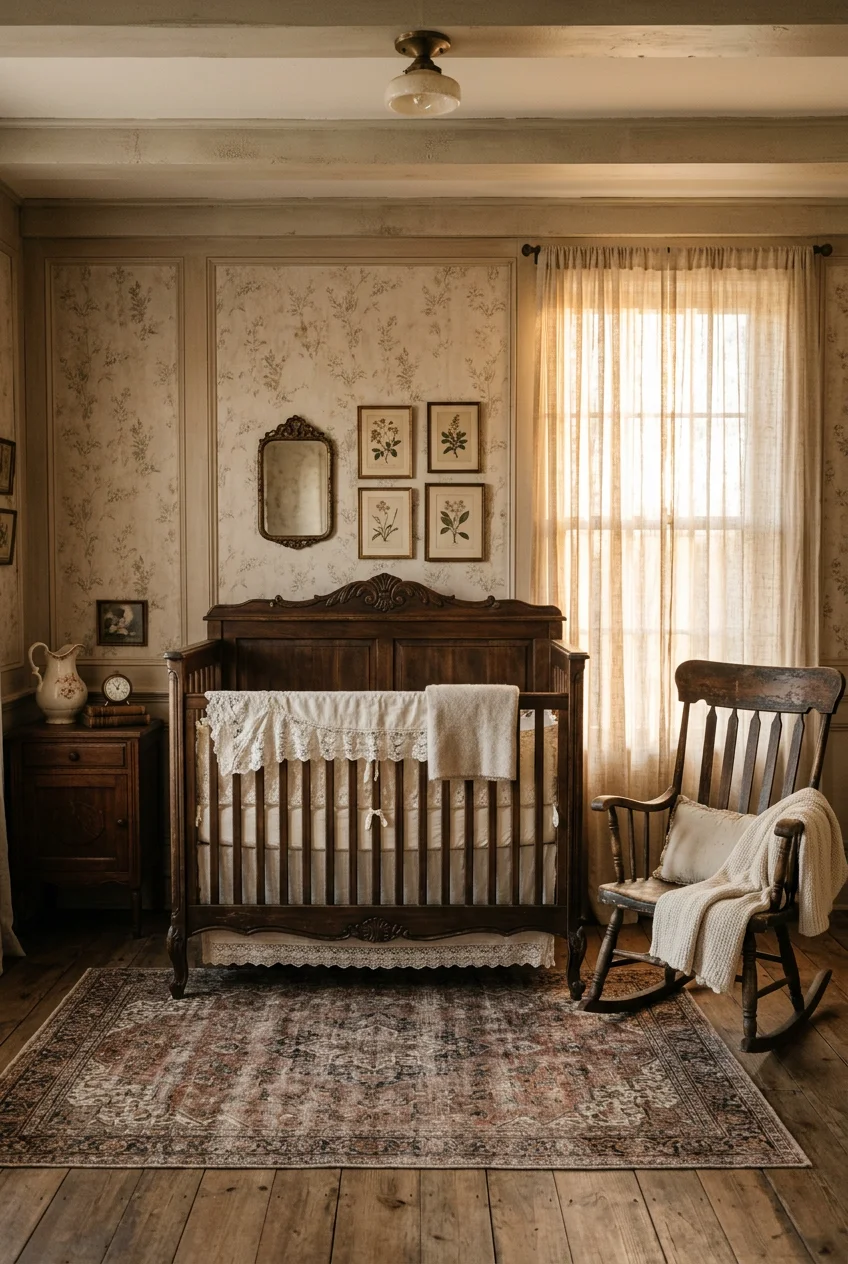
Most folks drag a 100-year-old wrought iron crib into a room and wonder why it feels like a museum exhibit instead of a cozy space for a newborn. Nailing antique baby nursery decor isn’t about hoarding fragile relics or living in a dusty time capsule. It’s about blending the heavy, soulful textures of the past with the strict safety standards of the present. A common mistake is leaning so hard into the vintage aesthetic that the room becomes entirely impractical for 3 AM diaper blowouts. You need pieces that can take a beating while looking like they belong in a historic manor. We’re going to break down exactly how to mix aged brass, distressed wool, and natural wood tones without making the room feel gloomy or unsafe. If you only try one idea from this list, make it #2. Here’s why: repurposing a vintage dresser anchors the entire room with a massive piece of authentic history, while saving you from buying a flimsy, temporary changing table that you’ll throw away in two years. Trust me on this.
Skip this if: You prefer ultra-modern, wipe-clean minimalism. Antique styling requires dusting ornate details, tolerating imperfect finishes, and occasionally dealing with sticky wooden drawer glides. If the thought of a scratched patina stresses you out, stick to contemporary acrylic and sleek laminate furniture.
1. Swap the Antique Crib for a Vintage-Style Replica

While an authentic Victorian spindle crib looks beautiful in photographs, it rarely meets modern safety standards. Old cribs often have slat spacing wider than 2 3/8 inches, posing a severe trapping hazard. Drop-down sides and lead-based finishes are also massive red flags. Instead, anchor your antique baby nursery decor with a new, safety-certified crib that mimics historical design. The daVinci Frem 4-in-1 Convertible Crib, typically priced around $349, offers the arched metalwork and brass-tone finish of a vintage piece without the structural risks. You get the visual weight of an iron bed frame but with secure, fixed sides and non-toxic paint. Pair it with a firm, dual-sided mattress. The dark metal finish contrasts sharply against soft pastel walls, grounding the room instantly.
Best for: parents who want the historic iron-bed look without the safety anxiety.
The catch: Modern replica cribs often feature visible plastic or silver safety hardware at the joints, which slightly breaks the vintage illusion if you look closely.
2. Repurpose a Heavy Oak Dresser as a Changing Station

Most people buy a flimsy particle-board changing table that ends up in a landfill two years later. A solid wood antique dresser brings immediate weight and character to the space. Look for pieces with deep drawers that glide smoothly, aiming for a surface area at least 36 inches wide to accommodate supplies. Secure a modern, contoured changing pad right on top. The Keekaroo Peanut Changer, typically around $130, grips the wood surface without sliding and wipes clean instantly. Add a 4 oz bottle of wood oil to your cleaning kit to keep the oak from drying out in climate-controlled rooms. Always anchor heavy vintage furniture to the studs using heavy-duty metal anti-tip brackets and 2-inch screws. Old dressers are incredibly top-heavy when multiple drawers are open. I learned that the hard way.
The catch: Vintage drawer glides are often just wood-on-wood friction, which means they can stick or squeak loudly during a late-night diaper change.
3. Anchor the Room with a Distressed Persian Rug

A distressed vintage Persian or Turkish wool rug adds depth, color, and richness that synthetic modern rugs simply can’t replicate. Wool is naturally durable and far more forgiving of stains than cheap polyester blends. For antique baby nursery decor, look for rugs in the $100 to $500 range, depending on size and origin. Online marketplaces or local estate sales often carry hand-knotted options with faded reds, deep blues, or muted greens. The dense pile of a real wool rug absorbs sound, which helps keep the nursery quiet while the baby sleeps. You’ll need to vacuum it thoroughly upon arrival to remove decades of dust, but the resulting texture is incredibly soft underfoot.
Best for: hiding inevitable stains and spills, as the complex patterns camouflage almost anything.
The catch: Authentic vintage wool rugs require a thick, high-quality rug pad underneath; otherwise, they slip dangerously on hardwood floors and offer zero cushioning for a crawling baby.

Beautiful Wooden Baby Closet Dividers Set of 7
A dependable everyday pick — Beautiful Wooden Baby Closet Dividers Set of 7 – Double-Sided Organize pulls in 11 ratings at 4.5 stars. Not flashy, just solid.
4. Create a Focal Point with Vintage-Inspired Wallpaper

Wallpaper dictates the mood of a room faster than any piece of furniture. Vintage florals, subtle ticking stripes, or whimsical toile patterns establish a historic baseline. If you’re nervous about traditional paste, opt for heavy-duty peel-and-stick options. Etsy sellers offer prints like “Vintage Winnie-the-Pooh Toile” or “Pink Tiny Wildflower,” typically ranging from $50 to $150 per roll. Apply this to a single accent wall behind the crib to avoid overwhelming a small space. The matte finish of high-quality vinyl mimics traditional paper while allowing you to wipe away smudges with a damp cloth and 1/2 teaspoon of mild dish soap. It’s a high-impact visual that requires zero floor space.
Best for: renters who want dramatic architectural character without losing their security deposit.
The catch: Peel-and-stick wallpaper is notoriously unforgiving on textured walls; the bumps will show through the vinyl, and the adhesive won’t grip properly over time.
5. Layer Antique Brass Sconces for Mood Lighting

Harsh overhead lighting ruins the cozy atmosphere of a nursery. Layering soft, warm light is essential. Antique brass sconces flanking a mirror or a piece of art provide gentle illumination perfect for winding down. You can source authentic vintage fixtures from local antique malls or find handcrafted, vintage-style options from retailers like The Lamp Goods, usually priced between $95 and $185. The aged brass patina adds a metallic warmth that polished nickel or matte black fixtures lack. Fit them with 40-watt equivalent warm white LED bulbs to keep the light soft and the fixtures cool to the touch. The warm glow bouncing off the brass creates a soothing, low-contrast environment.
The catch: Authentic vintage sconces must be completely rewired by a licensed professional before installation, adding significant hidden costs to a seemingly cheap antique store find.
6. Frame Heirloom Baby Clothes in Shadow Boxes

Instead of buying generic mass-produced nursery art, use your family’s history. Framing a delicate vintage Christening gown, a hand-knit sweater, or a parent’s “going home” outfit turns sentimental textiles into striking wall decor. Pick up a deep acrylic or wood shadow box from craft stores like Michael’s or Hobby Lobby, usually running $20 to $50 depending on the size. Pin the garment carefully to the linen backing using rust-proof sewing pins. This preserves the fabric while adding a soft, three-dimensional texture to the wall. The intricate lace, tiny buttons, and faded fabrics perfectly complement an antique baby nursery decor theme.
The catch: Direct sunlight will rapidly bleach and degrade antique fabrics, so these shadow boxes must be hung on walls that never receive direct UV exposure.

YACHANCE Kids Sound Machine with Night Light Projector
YACHANCE Kids Sound Machine with Night Light Projector has been one of the most consistently praised picks in this category. 71 reviewers averaged 4.5/5.
7. Add a Classic Wooden Rocking Horse

A beautifully crafted rocking horse serves as both a sculptural decor piece and a future toy. While authentic antique horses from makers like F.H. Ayres are stunning, they often have brittle wood and flaking paint. For a functional alternative that still looks the part, consider a modern wooden rocking horse with a vintage silhouette. The Crate & Kids Deep Brown Wooden Kids Rocking Horse with Sherpa Seat, priced around $269, provides that rich, dark wood aesthetic while ensuring the runners are properly balanced to prevent tipping. Tucking a wooden rocking horse into a corner instantly signals a nostalgic, classic childhood theme without relying on cartoon characters. You might also like: 16 Vintage Baby Girl Nursery Worth Trying
The catch: Rocking horses have a large, awkward footprint and become major tripping hazards in nurseries with tight floor plans.
8. Curate a Mismatched Gilded Gallery Wall

A rigid, perfectly symmetrical grid of black frames feels too modern for this aesthetic. Instead, build an eclectic gallery wall using ornate, mismatched gilded frames. Hunt for small brass or carved wood frames at thrift stores. Fill them with vintage children’s book illustrations, sepia-toned family photos, or botanical prints. The trick is to mix the sizes and frame styles while keeping the color palette of the art cohesive. Lay the arrangement out on the floor first, leaving exactly 2 inches of spacing between the frames to keep the chaos intentional. The reflective gold tones catch the light and add a touch of faded grandeur to the room. You might also like: 19 IKEA Toddler Room You Need to See
The catch: Heavy, ornate plaster or wood frames require heavy-duty drywall anchors, leaving substantial holes in the wall if you ever decide to rearrange them.
9. Introduce Raw Wood Tones with a Milking Stool

An entirely painted room feels flat. Introducing raw, unpainted wood breaks up the monotony and adds organic warmth. A mid-century French milking stool or a small, distressed wooden side table is perfect for resting a bottle or a 8 oz glass of water next to the nursing chair. The rough-hewn texture contrasts beautifully with soft nursery textiles like velvet or muslin. You don’t need a large piece; even a small wooden step stool adds that necessary touch of rustic history. Leave the wood unpolished to maintain its dry, aged appearance, simply wiping it down with a damp cloth. You might also like: 16 Baby Boy Room Ideas Worth Trying
Best for: adding functional surface area next to a glider in tight corners.
The catch: Authentic three-legged milking stools are notoriously unstable and will tip over easily once your baby starts pulling themselves up to stand.

Modanais Baby Diaper Caddy Organizer Cart
If you want something that just works, Modanais Baby Diaper Caddy Organizer Cart – 3 Tier Rolling Storage Car is a safe bet (347 reviews, 4.5 stars).
10. Ditch the Over-Themed Decor for Muted Palettes

A common mistake is plastering a single theme—like “vintage airplanes” or “Victorian tea party”—onto every surface. This quickly turns a peaceful room into an overstimulating theme park. Instead, rely on a sophisticated, muted color palette to do the heavy lifting. Colors like dusty olive, warm mushroom, sage green, or clay blush provide a historic backdrop that lets your antique furniture stand out. Paint the trim the same color as the walls for a continuous, wrapping effect. When the background is quiet, the patina on a brass lamp or the carving on an oak dresser becomes the actual focal point.
The catch: Muted, muddy colors can look incredibly dismal and cave-like in north-facing rooms that don’t receive adequate natural sunlight.
11. Stack Vintage Suitcases for Hidden Storage

Babies require an absurd amount of plastic gear, which instantly ruins an antique aesthetic. Hide the modern clutter inside vintage storage. Stacking two or three hard-sided vintage suitcases creates a makeshift side table while providing deep storage for out-of-season clothes, extra wipes, or bulky blankets. Look for cases with brass latches and leather handles. Clean the interiors thoroughly with a mix of 1 cup water and 1 tablespoon white vinegar to remove the musty thrift-store smell. The stacked luggage adds a subtle travel motif and introduces leather and canvas textures into the room.
The catch: Accessing whatever is stored in the bottom suitcase is highly annoying, so it’s only practical for items you need less than once a month.
12. Hang Wicker Baskets for Wall Storage

Wicker and rattan bring a lightweight, woven texture that prevents dark antique furniture from feeling too heavy. Mount flat-backed wicker baskets on the wall to hold rolled swaddles, burp cloths, or small toys. The World Market Trista Natural Seagrass Hanging Wall Basket, usually around $14.99, is a great option. Stagger two or three of these near the changing station. The natural seagrass color warms up painted walls, and keeping essential items visible but contained maintains organization without resorting to plastic bins. Secure them with simple cup hooks screwed directly into the drywall studs.
The catch: Woven seagrass and wicker are absolute dust magnets, requiring you to use a brush attachment on your vacuum every few weeks to keep them clean.

Parker Baby Diaper Caddy
Parker Baby Diaper Caddy – Nursery Storage Bin and Car Organizer for D has been one of the most consistently praised picks in this category. 172 reviewers averaged 4.5/5.
13. Drape Nostalgic Floral Textiles over Modern Furniture

You don’t need an uncomfortable antique rocking chair to achieve a vintage look. Buy a modern, supportive nursing glider and disguise its contemporary lines with nostalgic textiles. Drape a quilt featuring a ditsy floral print or a faded stripe over the back. Brands like Oilo Studio and Pottery Barn Kids offer vintage-style bedding and throws that look inherited but are actually brand new. The soft, washed cotton adds comfort, while the traditional patterns trick the eye. Add a ruffled linen throw pillow to complete the look. This gives you the ergonomic support of modern foam with the visual appeal of the 1920s.
The catch: High-quality, vintage-style linen and quilted throws often require delicate washing cycles or dry cleaning to prevent the batting from bunching up.
14. Test Every Single Painted Surface for Lead

If you’re bringing painted furniture manufactured before 1978 into a nursery, you must test it. Pick up a standard swab-style lead paint test kit from a hardware store like Home Depot or Lowe’s (typically under $15). Crush the vial, rub the swab on the paint, and wait for the color change. If it turns pink or red, lead is present. Do not sand it. You must either seal it completely with a heavy, non-toxic encapsulating paint or pay a professional to strip it off-site. Antique baby nursery decor is charming, but heavy metal exposure is a non-negotiable risk.
The catch: Safely stripping and neutralizing lead paint from an ornate vintage piece is incredibly labor-intensive and often costs more than the furniture itself.
15. Embrace the Lived-In Look with Imperfect Pieces

A truly vintage nursery isn’t meant to look like a sterile showroom; it should appear accumulated over time. Embrace slight imperfections. A wooden side table with a water ring, a quilt with a lovingly repaired tear, or a brass lamp with an uneven patina adds soul to the room. Don’t feel pressured to refinish every piece of wood to a high-gloss shine. Leaving original, chipped paint (provided it tests negative for lead) on a decorative shelf or a picture frame adds authenticity. The goal is a curated collection, not a matching bedroom set fresh off a factory floor. No exaggeration.
The catch: There is a fine line between “charming patina” and “shabby junk”; too many distressed pieces will make the nursery look neglected rather than curated.
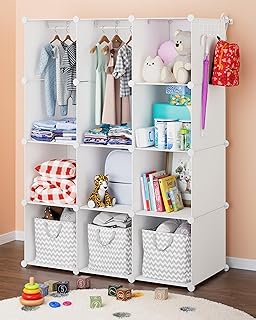
CUBEDIY Baby Closet Organizer for Nursery: Durable Baby
A dependable everyday pick — CUBEDIY Baby Closet Organizer for Nursery: Durable Baby Wardrobe for C pulls in 342 ratings at 4.5 stars. Not flashy, just solid.
16. Try Color Drenching to Modernize the Antiques

To keep antique pieces from feeling stuffy, employ the modern painting technique of color drenching. Paint the walls, baseboards, window casings, and even the ceiling in one solid, saturated color. A deep, moody hue like navy or forest green creates a jewel-box effect. When the background is uniform, the intricate silhouettes of your vintage furniture pop sharply against it. It prevents the room from looking like a chaotic antique store. Use an eggshell finish on the walls and a satin finish on the trim for subtle contrast while using the exact same paint color.
Best for: parents who want a bold, dramatic aesthetic that bridges the gap between historical furniture and modern design.
The catch: Painting ceilings and trim in a dark color is highly permanent and requires 3 to 4 coats of expensive primer to cover up when you eventually want a change.
17. Use Antique Bookcases for Toy Display

Standard cube organizers scream “modern playroom.” For an antique baby nursery decor approach, use a solid wood barrister bookcase or a tall, narrow vintage shelving unit. The glass doors of a barrister bookcase keep dust off stuffed animals and delicate keepsakes, while open wooden shelves provide a sturdy home for heavy board books and wooden blocks. Line the back panel of the bookcase with leftover vintage wallpaper to tie it into the room’s design. This instantly elevates standard baby items into a curated display. Ensure the entire unit is bolted to the wall, as tall bookcases are prime tipping hazards.
The catch: Antique bookcases rarely have adjustable shelves, meaning oversized modern children’s books or tall toys simply won’t fit inside.
18. Install a Ceramic Table Lamp with a Painted Shade

Forget the harsh, exposed bulbs of modern industrial lighting. A vintage ceramic table lamp adds a soft, sculptural element to a dresser or side table. Look on eBay for 1950s or 1960s ceramic lamps, which typically run between $20 and $30. Pair the base with a pleated fabric shade or a hand-painted paper shade to diffuse the light heavily. The fabric shade absorbs glare, creating a muted, glowing pool of light that won’t startle a sleeping baby when you flip it on. The heavy ceramic base also ensures it won’t easily get knocked off a table.
Best for: providing low-level, glare-free light during middle-of-the-night feedings.
The catch: Vintage ceramic bases are fragile, and a single drop from a toddling baby pulling on the lamp cord will shatter them beyond repair.
19. Mount a Vintage Ornate Mirror to Expand the Space

Nurseries are often relegated to the smallest bedroom in the house. A large, vintage ornate mirror is the oldest trick in the book for doubling visual space and bouncing natural light around a cramped room. Look for heavy, gold-leafed mirrors or carved wood frames at local flea markets. Mount it securely above the dresser or on a blank wall opposite the window. The reflection makes the room feel airy, and the intricate frame adds immediate architectural interest to plain drywall. Babies also love looking at their own reflections, making it functional for tummy time if hung low enough.
The catch: If mounted low enough for a baby to see, you’ll be wiping sticky fingerprints and smudges off the glass on a daily basis.
How we chose these ideas: We selected these concepts by balancing authentic historical aesthetics with strict modern safety standards. Criteria included renter-friendliness, overall cost, ease of sourcing, and the visual impact of mixing textures. We heavily prioritized ideas that keep toxic materials and tipping hazards out of the nursery while still delivering that curated, aged look.
Building an antique nursery doesn’t mean sacrificing modern convenience. By mixing replica safety items with sturdy, repurposed wooden furniture, you get a room that feels historically rich but functions perfectly for modern parenting. Pin this list to your nursery mood board so you have a realistic guide when you’re hunting through antique shops!
Frequently Asked Questions
Is it safe to use an antique crib in a nursery?
No. Authentic antique cribs rarely meet modern safety standards. They often feature dangerous drop-down sides, lead paint, and slat spacing wider than 2 3/8 inches. Always opt for a new, safety-certified crib designed with vintage styling instead.
How can I incorporate antique baby nursery decor on a budget?
Repurpose existing vintage pieces, like using an old solid wood dresser as a changing station. You can also hunt for distressed wool rugs at estate sales, frame heirloom baby clothes in affordable shadow boxes, or install peel-and-stick vintage wallpaper.
What colors work best for a vintage-style nursery?
Muted, historically grounded palettes work best. Colors like dusty olive, warm mushroom, sage green, and clay blush provide a soft backdrop that allows antique wood tones and aged brass fixtures to stand out without overstimulating the baby.
How do I check vintage nursery furniture for lead paint?
Purchase a swab-style lead test kit from any hardware store. Crush the vial and rub the swab on the painted surface. If the swab turns pink or red, lead is present. The piece must be professionally stripped or completely encapsulated.
