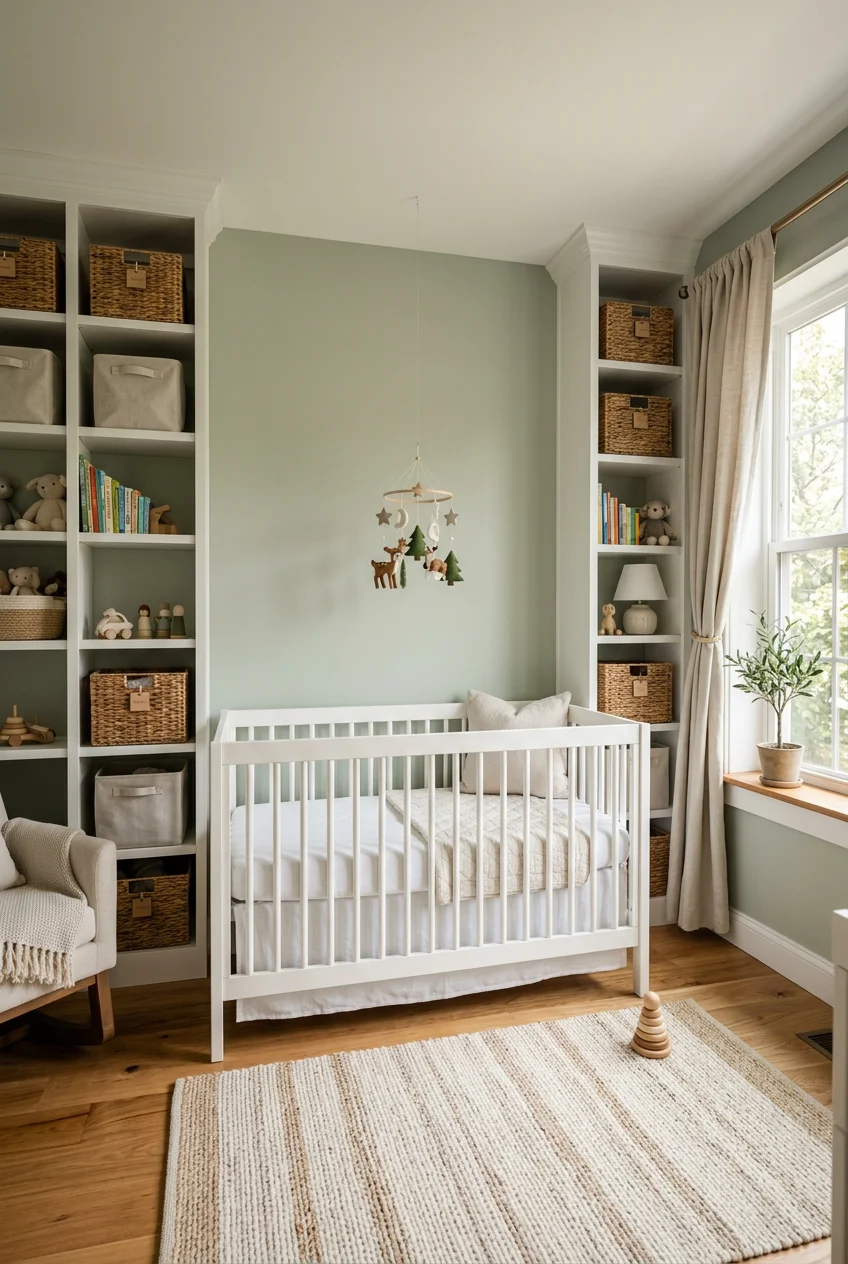
What’s Inside
- Start Your Small Spaces Nursery Storage Solutions with a Multi-Functional Dresser
- Install Floating Shelves Above the Changing Station
- Maximize the Hidden Under-Crib Clearance
- Build a Mobile Diapering Station
- Double the Closet Hanging Capacity
- File-Fold Inside Structured Drawer Dividers
- Repurpose Over-the-Door Shoe Organizers
- Conceal Clutter with Coiled Rope Baskets
- Mount a Customizable Pegboard System
- Small Spaces Nursery Storage Solutions Require Closed Cabinetry
- Repurpose Spice Racks as Forward-Facing Book Ledges
- Evict the Out-of-Season Clothing Completely
- Invest in a Convertible Crib with Base Drawers
- Secure Everything with Wall Anchors
- Utilize the Inside of the Closet Door
- Suspend Stuffed Animals in a Corner Hammock
- Shrink Bulky Bedding with Vacuum Storage Bags
Most folks shove a massive, overstuffed glider into a 10-by-10 room, block half the closet door, and wonder why the space feels like a storage unit. Getting nursery storage right in small rooms takes ruthless editing and a real plan. You can’t just buy cute woven baskets and hope for the best. You need vertical systems, hidden compartments, and furniture that pulls double duty. The smell of fresh paint and a soft rug won’t matter if you’re tripping over bulk diaper boxes at 3 AM. If you only try one idea here, make it #4. A mobile diapering station clears the dresser top, giving you back the most valuable piece of real estate in the room. It’s a total win. Took me years to learn that lesson.
Skip this list if you have a massive walk-in closet or a dedicated playroom down the hall. These strategies are for tight, cramped quarters where every square inch counts. Renters who can’t put holes in their walls will also struggle with the wall-mounted shelving concepts below.
1. Start Your Small Spaces Nursery Storage Solutions with a Multi-Functional Dresser

Most people buy a standalone changing table and regret it when the baby hits six months. That piece of furniture eats up four square feet of floor space and becomes useless once diapers are done. A smarter approach is a dresser that doubles as a changing station. The Harmony 3-Drawer Dresser with Changing Table Topper is a prime example, sitting in the mid-range to premium price tier. It offers a 36-inch height, which saves your back during late-night blowouts. The top surface holds a standard 32-inch changing pad, while three deep drawers hide the chaos of burp cloths and swaddles. You get the function of two pieces in the footprint of one.
The catch: these solid wood pieces are heavy. You won’t be moving this by yourself once it’s built. Always secure it to the studs with steel brackets, because the weight of the drawers can cause tipping if a toddler pulls on them. Take my word for it.
2. Install Floating Shelves Above the Changing Station

Leaving the wall space above the dresser blank is a waste of storage. Wall-mounted floating shelves pull everyday items off the dresser top, giving you a clean surface for diapering. The IKEA LACK shelves, typically under $30, provide a clean look with a 10-inch depth that perfectly holds stacked wipes and lotion bottles. Pottery Barn Kids also makes scalloped ledge shelves in the budget to mid-range tier if you want a softer aesthetic. Mount them exactly 18 inches above the dresser surface. This height keeps the heavy zinc creams and baby powder in your reach, but out of a grabbing baby’s hands. Store the heaviest items on the bottom shelf and lightweight cotton swabs on top.
The catch: open shelves collect dust fast. You’re committing to wiping them down with a microfiber cloth every single week.
Best for: small dark rooms where bulky upper cabinets would block the natural light.
3. Maximize the Hidden Under-Crib Clearance

People often ignore the 5 to 7 inches of dead space under the crib. This is prime real estate for bulk items that don’t need to look pretty. Shoving loose items under there looks messy, so containment is key. Target’s Brightroom brand makes a 41-quart Clear Underbed Storage Box that slides into this gap. These bins run between $10 and $20 each. You can fit three of these 36-inch long bins horizontally under a standard crib. Fill them with the next size up in diapers, heavy winter sleep sacks, or bulk wipes. The clear plastic lets you take inventory at a glance without pulling the whole bin out.
The catch: if your crib has a solid front skirt panel, getting to these bins means pulling the crib away from the wall.
Best for: tight budgets where buying another cabinet isn’t an option.

Criusia Drawer Organizer Clothes
Criusia Drawer Organizer Clothes punches above its price — 12 buyers rated it 4.5 stars. The kind of pick people reorder.
4. Build a Mobile Diapering Station

Carrying a squirming baby to a stationary changing table isn’t always practical. A rolling utility cart brings supplies directly to the floor, the crib, or the living room rug. The IKEA RÅSKOG 3-tier cart, usually priced around $40, measures 13 3/4 inches wide, making it narrow enough to wedge between the crib and the wall. Stock the top tier with a wipe dispenser and 15 to 20 diapers. Use the middle tier for a 4-ounce tube of barrier cream and rolled washcloths. The bottom tier holds a spare crib sheet and two backup onesies. The steel mesh keeps everything visible and contained.
The catch: once your baby starts crawling, a rolling cart becomes a push-toy. You’ll eventually need to move it into a closet or add locking casters to keep it still.
5. Double the Closet Hanging Capacity

Standard builder-grade closets come with a single rod at 65 inches high. Hanging tiny 12-month-old cardigans on that rod leaves about four feet of wasted vertical space underneath. Installing a second rod below the first doubles your capacity. The IKEA PAX wardrobe system offers customizable metal rods starting around the mid-range price point, or you can buy a simple adjustable tension rod from Walmart for under $20. Hang the upper rod at 70 inches and the lower at 35 inches. Use the top space for formal dresses or bulky coats, and the bottom for everyday shirts and pants. Add plastic size dividers from Etsy to separate the newborn clothes from the 3-to-6-month items. You might also like: 20 Charming Gender Neutral Crib Bedding Ideas for Every Budget
The catch: tension rods slip if you overload them with heavy wooden hangers. Stick to lightweight velvet hangers. You might also like: 20 Cozy Whimsical Nursery Lighting Ideas You Haven’t Thought Of
Best for: homes with high ceilings that have tall but narrow closet frames. You might also like: 18 Ocean Nursery Baby Boy You Need to See
6. File-Fold Inside Structured Drawer Dividers

Stacking baby clothes in a drawer guarantees a messy pile within three days. Pull one shirt from the bottom, and the whole stack topples. The solution is file-folding, where you fold items into small rectangles and stand them upright. To keep these rectangles from falling over, you need structured dividers. IKEA SKUBB fabric boxes come in a set of six for under $10. A 30-inch wide drawer holds exactly two large SKUBB boxes and two small ones. Place the 4-inch wide boxes in the front for socks and mittens, and use the 11-inch wide boxes in the back for file-folded pants and shirts. You can see every item the second you open the drawer.
The catch: file-folding tiny newborn onesies takes twice as long on laundry day. You’ve got to commit to the routine.

Criusia Over the Door Organizer
If you want something that just works, Criusia Over the Door Organizer is a safe bet (336 reviews, 4.5 stars).
7. Repurpose Over-the-Door Shoe Organizers

The back of the nursery door is a blank canvas most parents ignore. A clear pocket organizer turns this dead space into a vertical storage grid. The Container Store makes a 24-Pocket Over-The-Door Shoe Organizer, priced between $15 and $30. The heavy-duty vinyl pockets measure 5 inches by 8 inches, which is perfect for holding rolled swaddle blankets, nasal aspirators, and digital thermometers. Because the pockets are transparent, babysitters and grandparents can find what they need without opening a drawer. Hang it using the included steel hooks over the top of the door. Fill the lowest pockets with soft plush toys so your toddler can reach them safely, while keeping the diaper rash creams in the highest row.
The catch: metal over-the-door hooks often scrape the door jamb. You might find your nursery door won’t close flush once the organizer is up.
8. Conceal Clutter with Coiled Rope Baskets

Exposed plastic toy bins look cheap and ruin a calm aesthetic. Coiled cotton rope baskets provide the same volume but add a soft, textured element. Target’s Pillowfort collection offers 11-inch round rope baskets, ranging from $10 to $25. These are flexible enough to wedge onto narrow closet shelves but sturdy enough to stand on the floor. Use a massive 18-inch basket in the corner for dirty laundry, and line up three smaller 10-inch baskets on the closet shelf to hold blocks, books, and extra sheets. The soft sides mean there are no sharp plastic corners for a wobbly toddler to fall against. Seriously.
The catch: cotton rope absorbs smells and stains. If a bottle of baby oil leaks, you can’t just wipe it clean like plastic.
9. Mount a Customizable Pegboard System

When you have zero floor space, the walls are your only option. A pegboard system offers storage you can reconfigure as your baby grows. The IKEA SKÅDIS series, priced between $20 and $40, is a perforated fiberboard panel that mounts to the drywall. It measures 30 inches by 22 inches. Buy the board and add custom metal hooks, elastic cords, and plastic cups. Hang it near the changing pad. Put pacifiers in a small acrylic cup, hang the hairbrush on a hook, and clip the thermometer to an elastic band. It keeps tiny items organized and visible.
The catch: pegboards look chaotic if you overfill them. It’s a fine line between a functional storage wall and a cluttered hardware store display.
Best for: renters who want maximum wall storage with only four small screw holes to patch later.
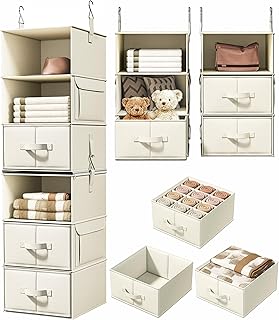
Vailando 6-Shelf Hanging Closet Organizer with 3 Drawers
Vailando 6-Shelf Hanging Closet Organizer with 3 Drawers punches above its price — 35 buyers rated it 4.5 stars. The kind of pick people reorder.
10. Small Spaces Nursery Storage Solutions Require Closed Cabinetry

Pinterest is filled with nurseries featuring open shelving displaying styled wooden toys. In reality, open shelving is a clutter magnet. Babies accumulate brightly colored plastic junk, half-empty lotion bottles, and mismatched socks. Displaying all this on open shelves makes a small room feel cramped. You need closed storage to hide the necessities. A slim, closed armoire from a brand like Sauder, in the budget to mid-range tier, offers doors that shut away the chaos. Store the breast pump parts, the massive boxes of wipes, and the plastic toys behind solid doors. A room with flat cabinet fronts feels twice as large.
The catch: cabinet doors need clearance to swing open. You can’t place a glider or laundry hamper directly in front of the armoire, which dictates your floor plan.
11. Repurpose Spice Racks as Forward-Facing Book Ledges

Traditional bookcases take up 12 inches of floor depth. In a tiny nursery, that foot of space is critical. Instead of a bulky bookcase, mount narrow ledges to display books with their covers facing out. The IKEA BEKVÄM wooden spice racks are a classic hack. They cost under $10 each and measure 15 3/4 inches wide with a tiny 3 7/8 inch depth. Mount three of them in a vertical column on a narrow strip of wall behind the door. The wooden bar across the front prevents books from tipping. Seeing the colorful covers encourages toddlers to grab a book, and the raw birch adds a nice natural texture.
The catch: each spice rack only holds about four board books. You won’t be able to store a massive library this way; it’s for current favorites.
12. Evict the Out-of-Season Clothing Completely

A common mistake is treating the nursery closet like a long-term storage unit. Parents stuff winter coats, hand-me-downs, and outgrown onesies into the same 36-inch closet. This makes finding a clean outfit on a Tuesday morning frustrating. You must edit the nursery closet so it only holds what currently fits. Pack away everything else in heavy-duty plastic bins. Sterilite 66-quart latching boxes, around $15 to $30 at Walmart, are perfect. Label the outside with blue painter’s tape reading “Size 12-18 Months” and move the bin out of the nursery. Shove it under a guest bed or put it in the hallway linen closet.
The catch: out of sight means out of mind. You have to set a calendar reminder to check the bins before the season changes, or your kid will outgrow the clothes before wearing them.
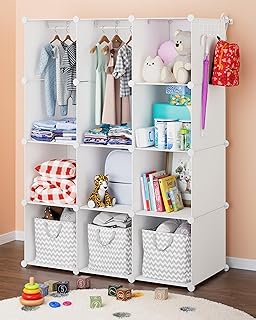
CUBEDIY Baby Closet Organizer for Nursery: Durable Baby
CUBEDIY Baby Closet Organizer for Nursery: Durable Baby Wardrobe for C punches above its price — 342 buyers rated it 4.5 stars. The kind of pick people reorder.
13. Invest in a Convertible Crib with Base Drawers

If you’re going to dedicate 15 square feet of floor space to a crib, that crib needs to earn its keep. A standard crib with empty space underneath is a missed opportunity. The modern trend leans toward convertible cribs featuring integrated base drawers. The Mack & Milo Sumitra Convertible Crib, found in the mid-range price bracket, includes a wide, flush-mounted drawer built into the bottom frame. This drawer glides out on metal tracks and provides a massive 40-inch wide compartment for storing heavy flannel crib sheets, mattress protectors, and extra sleep sacks. Because the drawer is built into the frame, it looks custom, rather than like a plastic bin shoved under a bed.
The catch: cribs with integrated drawers are heavy and difficult to assemble. You’ll need two people and at least two hours to get the tracks aligned perfectly.
14. Secure Everything with Wall Anchors

When you start stacking storage vertically, safety is the primary concern. A tall, narrow bookshelf might look great in the corner, but it’s a tipping hazard once a ten-month-old uses it to pull up. Every piece of furniture taller than 30 inches must be bolted to the wall studs. Safety 1st Furniture Wall Straps are available for under $15. These nylon straps screw into the back of the dresser and then directly into the wooden wall stud. Don’t rely on drywall anchors; they will rip out under the weight of a loaded dresser.
The catch: drilling into studs leaves half-inch holes in your drywall. You’ll have to patch, sand, and repaint those spots when you move the furniture.
Best for: homes with kids or pets where bumping into furniture is a daily occurrence.
15. Utilize the Inside of the Closet Door

If you don’t want to hang a full pocket organizer on the main door, look at the inside of the closet door. This is a hidden surface perfect for hanging lightweight, awkwardly shaped items that clutter up drawers. Stick a row of Command Hooks, which cost under $15 for a multi-pack, across the middle of the panel. The 3-pound weight limit hooks are ideal for hanging a mesh laundry bag, a collection of sun hats, or a canvas tote bag filled with extra pacifiers. It keeps these accessories visible but hidden when the closet door is shut.
The catch: if you have sliding bypass closet doors or bi-fold doors, this trick won’t work. It requires a standard swinging door with a flat interior panel.
Best for: beginners who want a five-minute storage solution without using a power drill.

StorageWorks Hanging Closet Organizer with Metal Rod
StorageWorks Hanging Closet Organizer with Metal Rod has been one of the most consistently praised picks in this category. 18 reviewers averaged 4.5/5.
16. Suspend Stuffed Animals in a Corner Hammock

Stuffed animals multiply in the dark. You start with three cute teddy bears, and by the first birthday, you have a mountain of plush toys eating up half the rug. Throwing them in a toy box takes up too much floor space. A corner mesh hammock utilizes the empty, high-up corner of the room. Lilly’s Love makes a Stuffed Animal Hammock, priced under $20, that stretches up to 72 inches across the corner. Mount it at least five feet off the ground. The white mesh blends into the wall, and it gets 30 stuffed animals off the floor while keeping them visible.
The catch: the elastic binding stretches out over time. If you overload it with heavy items, the hammock sags and looks sloppy. Limit it to lightweight plushies.
17. Shrink Bulky Bedding with Vacuum Storage Bags

Baby blankets are deceptively bulky. Those thick, fleece-lined winter stroller blankets and padded playmats take up an absurd amount of shelf space. You can compress these massive textiles down to a fraction of their size using vacuum sealing. Spacesaver Premium Vacuum Storage Bags, usually $20 to $40 for a jumbo pack on Amazon, are effective. Fold the 40-inch winter blankets flat, seal the plastic zipper, and use your vacuum hose to suck the air out. A pile of blankets that used to fill an entire drawer becomes a stiff, 2-inch thick plastic board that slides onto the top shelf.
The catch: vacuum sealing crushes fabric fibers. When you open the bag, the blankets will be wrinkled and require a run through the dryer to fluff back up.
How we chose these ideas: These strategies were selected based on their realistic application in rooms under 100 square feet, prioritizing vertical space and dual-purpose functionality. We evaluated options across various budgets—from low-cost tension rods to premium convertible cribs—ensuring there are solutions for renters and homeowners alike, without relying on major renovations.
I’d highly recommend starting with the rolling cart method before buying any expensive shelving. It’s the cheapest way to figure out exactly what supplies you reach for daily. Pin this list so you have these measurements handy when you’re standing in the middle of the hardware store.
Frequently Asked Questions
What are the best small spaces nursery storage solutions?
The most effective solutions involve vertical storage, such as wall-mounted pegboards and over-the-door clear pocket organizers. Utilizing multi-functional furniture, like a dresser that doubles as a changing table or a crib with integrated base drawers, also maximizes limited floor space.
How can I organize baby clothes without a large closet?
Install a second tension rod below the main closet rod to double hanging capacity. For dressers, use structured fabric boxes to file-fold tiny onesies and pants upright. Store all out-of-season or oversized clothing in vacuum-sealed bags under a guest bed.
Is open shelving good for a small nursery?
Open shelving can quickly become a clutter magnet in small rooms. It’s better to prioritize closed cabinetry like armoires or dressers to hide brightly colored plastic items and bulky diaper boxes, making the room feel visually calmer and more spacious.
How do I store diapers in a cramped room?
A 3-tier rolling utility cart is an excellent mobile diapering station that wedges into narrow gaps between furniture. Alternatively, store bulk packages in flat, clear plastic bins that slide into the 5-inch clearance space directly underneath the crib.
