What’s Inside
- Prioritize Circadian-Friendly Red and Amber Night Lights
- Layer Nature-Inspired Nursery Lighting Ideas With Dimmers
- Stick to Warm White Bulbs (2700K-3000K) for Ambient Glow
- Anchor the Room With Resin Mushroom Lamps
- Project the Night Sky With a Safe Star Projector
- String Battery-Operated Fairy Lights Safely Out of Reach
- Keep a Portable Silicone Night Light on the Changing Table
- Swap the Harsh Center Light for a Woven Rattan Pendant
- Automate the Sun With Smart Circadian Lighting Systems
- Mount Plug-In Wall Sconces Next to the Glider
- Hang a Light-Up Mobile for Gentle Crib Stimulation
- Choose Linen Drum Shades for Soft, Filtered Light
- Install Occupancy Sensors for Hands-Free Illumination
- Use Wood-Accented Floor Lamps for Reading Nooks
- Hide LED Strip Lights Behind the Dresser for Indirect Glow
- Skip the Cartoon Shapes for Subtle Cloud Pendants
- Ground the Design With Wabi-Sabi Sculptural Table Lamps
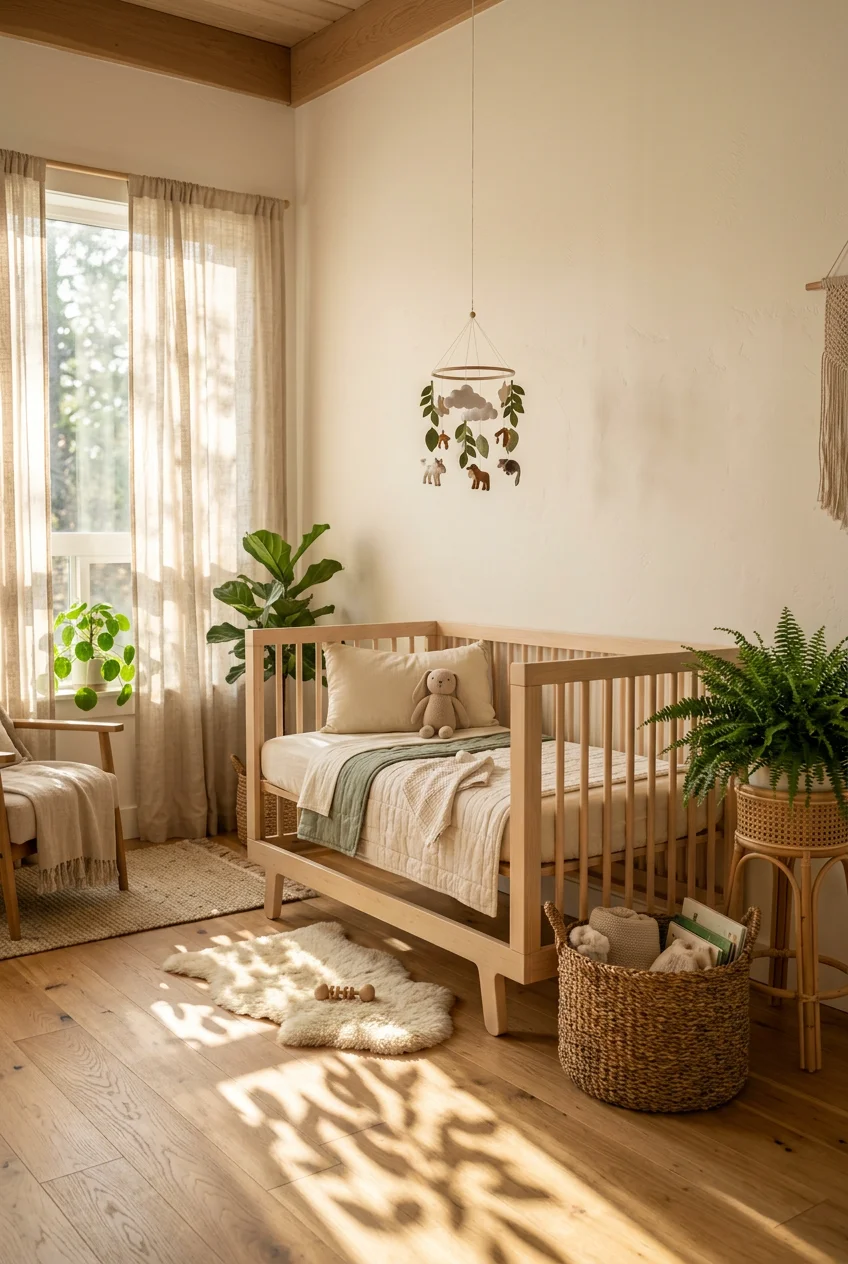
Flip on a blinding overhead fixture at 3 AM and you’ll wonder why your baby thinks it’s time to play. Getting nursery lighting right means understanding how light actually impacts a tiny human’s developing brain. It’s not just about picking a cute rattan shade at Target. You need specific color temperatures, strategic layering, and fixtures that mimic the gentle transitions of the sun. If you only try one idea from this list, make it #1. Swapping a standard bulb for a circadian-friendly amber light is the cheapest, fastest way to protect your baby’s sleep cycles while still letting you see enough to change a diaper. Trust me on this.
Skip this list if you want a stark, hospital-white aesthetic or plan to rely entirely on harsh overhead recessed cans. These ideas focus on organic textures, warm color temperatures, and layered shadows that mimic the natural world, which won’t fit a neon or tech-driven room design.
1. Prioritize Circadian-Friendly Red and Amber Night Lights

A baby’s circadian rhythm fully develops around 8 to 11 weeks. Exposing them to blue-toned light in the middle of the night suppresses melatonin. You need a red or amber light source for midnight feedings. The DreamWalkerz Nursery Night Light is a solid option, but any true circadian bulb—ranging from $26 to $450 for whole-home systems—does the job. It mimics the glow of a campfire or a deep sunset. You can see the wipes and the diaper tabs, but the baby’s brain doesn’t get a “wake up” signal. A common mistake is buying a standard dimmable white bulb and assuming low brightness is enough. It’s not. The color frequency matters more than the brightness. The catch: red light distorts colors, making it nearly impossible to accurately check the color of a diaper rash or weird poop at 2 AM.
2. Layer Nature-Inspired Nursery Lighting Ideas With Dimmers

A major 2026 design trend is ditching the single overhead dome light for a layered scheme. You need ambient light for playing, task lighting for the changing table, and accent lighting for winding down. Install a dimmable pendant light exactly 30 to 36 inches above the changing pad. This gives you clear visibility exactly where you need it without flooding the whole room. Pair this with a low-profile LED flush mount on a separate dimmer switch. You want 4000K neutral white light for daytime activity and warm, dim light for the evening. Best for: complete room renovations where you can open up the drywall. The catch: installing hardwired dimmers usually requires hiring an electrician, which quickly eats up a nursery budget.
3. Stick to Warm White Bulbs (2700K-3000K) for Ambient Glow

The Kelvin scale dictates how warm or cool your light looks. For general nursery ambiance, you want LED bulbs sitting strictly between 2700K and 3000K. This range mimics the soft, golden hour glow of natural sunlight. You can find these at any Walmart or Home Depot. A massive mistake people make is buying “daylight” bulbs (4000K to 5000K) for a bedroom. Daylight bulbs look like a sterile office and overstimulate the nervous system right before bed. Stick to the warm end of the spectrum for a cozy, cave-like feel. The catch: 2700K light casts a heavy yellow hue that can make cool gray or crisp white paint look muddy at night.
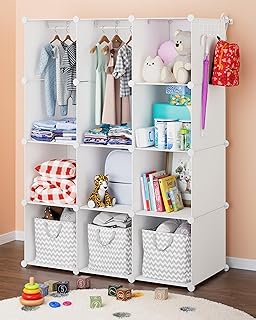
CUBEDIY Baby Closet Organizer for Nursery: Durable Baby
CUBEDIY Baby Closet Organizer for Nursery: Durable Baby Wardrobe for C has been one of the most consistently praised picks in this category. 342 reviewers averaged 4.5/5.
4. Anchor the Room With Resin Mushroom Lamps

Mushroom lamps bring an instant woodland floor vibe to a nursery dresser. Brands like Egmont make hand-painted resin mushroom lamps (the medium size is 10.2 by 7.9 inches) with integrated 1.5W LED systems. They cast a very soft, diffused glow downward, which is perfect for a gentle mood light. You can also find smaller versions, like the Le Small Mushroom Lamp, or handmade options on Etsy ranging from $18 to $50+. They look like actual foraging finds rather than cheap plastic toys. Best for: woodland, fairy, or cottagecore nursery themes. The catch: hard resin is brittle. If a toddler yanks the cord and pulls the lamp off a 3-foot dresser, the mushroom cap will likely crack on a hardwood floor.
5. Project the Night Sky With a Safe Star Projector

A star projector night light turns a blank ceiling into a moving celestial canopy. Models like the Moredig Star Projector Night Light or the Infantino Soothing Light and Projector (typically under $45) project slow-moving stars and moons. It gives an anxious baby something gentle to focus on while drifting off. You must verify the projector is Class 1 laser certified and uses cool-to-the-touch LED technology. Put it on a high shelf so the light casts wide across the ceiling without shining directly into the crib. The catch: the tiny internal motors that rotate the projection domes almost always develop a faint, repetitive clicking sound after a few months of nightly use. You might also like: 17 Twin Nursery Boy And Girl That Actually Work
6. String Battery-Operated Fairy Lights Safely Out of Reach

Fairy lights add a firefly effect that softens hard room corners. Grab a 13-foot or 16-foot strand of battery-operated LED fairy lights from Super Bright LEDs or Amazon ($10 to $20). Weave them around a high curtain rod or drape them over a tall bookshelf. Because they are LED, they generate virtually no heat, making them safe near fabrics. They provide just enough twinkle to break up the darkness without illuminating the whole room. Best for: renters who can’t hardwire new wall sconces. The catch: battery packs burn through standard AA batteries incredibly fast if you leave them on all night, forcing you to constantly unscrew the tiny plastic battery doors. You might also like: 15 Toddler Boy Room Ideas You Need to See

Criusia Drawer Organizer Clothes
If you want something that just works, Criusia Drawer Organizer Clothes is a safe bet (12 reviews, 4.5 stars).
7. Keep a Portable Silicone Night Light on the Changing Table

You need a light you can grab and move with one hand. The G Keni Nursery Night Light or the LumiPets Bear (around $20 to $30) are soft, squishy silicone animals that run on rechargeable batteries. You tap them to turn them on. When a diaper blowout happens at 1 AM, you can pick up the light and set it right next to the baby to see exactly what you’re cleaning up. The silicone texture is totally safe if the baby grabs it, and there are no hot bulbs. The catch: because they are cordless, you have to remember to plug them in during the day. A dead night light at 2 AM is incredibly frustrating. You might also like: 15 Lovely Baby Boy Crib Bedding Ideas That Are Totally Worth It
8. Swap the Harsh Center Light for a Woven Rattan Pendant

If you have a standard builder-grade “boob light” on the ceiling, replace it with a woven rattan or bamboo pendant. Stores like IKEA and West Elm sell large, organic-shaped woven shades that bring natural texture into the space. The woven material filters the light, making it feel dappled, like sunlight coming through tree branches. Always use a frosted bulb inside a rattan shade to soften the output. A clear bulb creates harsh glare through the gaps in the wood. The catch: a woven shade without an internal fabric diffuser casts a sharp, chaotic grid of shadows across the walls and ceiling, which can actually scare some toddlers in the dark.
9. Automate the Sun With Smart Circadian Lighting Systems

Smart lighting systems take the manual work out of mimicking the sun. Products like the Philips Hue Gradient or the Healthy Home Circadian Lightbulb ($26 per bulb) offer preset modes. You program the app once. At 7 AM, the bulb shifts to a bright, cool 5000K to signal morning. By 7 PM, it automatically fades to a dim 1800K campfire glow. This is the ultimate hack for keeping a baby’s internal clock on track without you having to remember to dim the switches. The catch: smart bulbs rely entirely on your home Wi-Fi. If your router drops the connection, your expensive circadian system turns into a dumb bulb stuck on whatever setting it last remembered.

Criusia Over the Door Organizer
Criusia Over the Door Organizer has been one of the most consistently praised picks in this category. 336 reviewers averaged 4.5/5.
10. Mount Plug-In Wall Sconces Next to the Glider

You need targeted, hands-free light right next to your nursing chair or glider. Hardwiring is expensive, so plug-in wall sconces are the better route. Look for fixtures with brass or matte black finishes and linen shades at Target or Crate & Barrel. Mount the sconce about shoulder height when sitting down. This casts light onto your lap for reading or feeding, leaving the rest of the room in relative darkness. Make sure the switch is easily reachable from a seated position so you don’t have to stand up while holding a sleeping baby. Best for: creating a dedicated, cozy reading nook. The catch: plug-in sconces mean exposed electrical cords dangling down your wall, requiring you to buy and install plastic cord covers.
11. Hang a Light-Up Mobile for Gentle Crib Stimulation

Most mobiles just spin, but a light-up mobile that glows from within doubles as a subtle night light. Look for designs featuring soft clouds, moons, or fireflies that emit a very low-lumen glow. It provides just enough light to check on the baby from the doorway without turning on a lamp. The gentle illumination also gives the baby a soothing focal point as they settle down. It’s a clever way to integrate lighting directly into the decor you were already planning to hang. The catch: changing the batteries on a mobile suspended over a crib is a massive hassle, often requiring a step stool and tiny screwdrivers while leaning awkwardly over the rails.
12. Choose Linen Drum Shades for Soft, Filtered Light

Skip the cheap plastic shades. They look like melting Tupperware when the light hits them. Instead, opt for thick linen drum shades on your table and floor lamps. Pottery Barn Kids carries excellent options. Linen has a visible, organic weave that feels earthy and grounded. When the light shines through the fabric, it diffuses the harshness of the bulb, creating a warm, muted glow that fills the room evenly. It’s a simple material swap that instantly makes a cheap lamp look high-end and nature-inspired. The catch: fabric shades are dust magnets. Unlike metal or glass shades that you can just wipe with a damp cloth, linen requires careful vacuuming with an upholstery attachment to stay clean.

Beautiful Wooden Baby Closet Dividers Set of 7
If you want something that just works, Beautiful Wooden Baby Closet Dividers Set of 7 – Double-Sided Organize is a safe bet (11 reviews, 4.5 stars).
13. Install Occupancy Sensors for Hands-Free Illumination

When you’re carrying a crying baby and a bottle at the same time, you don’t have a free hand to fumble for a light switch. Swap your standard nursery light switch for an occupancy sensor switch from Lowe’s or Home Depot. You can set the sensitivity and the timer. When you walk into the room, the lights gently fade on. When no movement is detected for a set time, they turn off, saving energy. It’s a small mechanical upgrade that makes middle-of-the-night visits significantly less stressful. The catch: if the sensor is too sensitive, the family dog walking past the open nursery door will trigger the overhead lights and wake the baby.
14. Use Wood-Accented Floor Lamps for Reading Nooks

Bring the forest indoors by choosing lighting fixtures with raw or stained wood elements. A tripod floor lamp with solid walnut or ash wood legs from West Elm adds architectural interest and natural warmth to an empty corner. Wood grounds the space and prevents the room from feeling too clinical or overly plastic. Pair the wooden base with a soft white bulb (around 2700K) to highlight the grain of the wood when the lamp is on. Best for: large nurseries with empty corners that need visual weight. The catch: tripod floor lamps have a wide footprint and are notorious tipping hazards once a baby learns to crawl and pull themselves up on furniture.
15. Hide LED Strip Lights Behind the Dresser for Indirect Glow

For a modern take on nature-inspired lighting, use LED strip lights to create an “eclipse” effect. Run a strip of warm white or amber LEDs along the back edge of the changing table or dresser. The light bounces off the wall, creating a soft, indirect halo of light. You get zero direct glare in your eyes, but plenty of visibility to see what you’re doing. It mimics the ambient glow of the sun just before it breaches the horizon. Best for: tight budgets, as LED strips are incredibly cheap. The catch: the adhesive backing on most budget LED strips is aggressive. When you eventually try to peel it off, it will likely rip the paint and the top layer of drywall paper right off the wall.

Momcozy Sound Machine for Baby-20 Soothing Sounds & Touch
Momcozy Sound Machine for Baby-20 Soothing Sounds & Touch Warm Light P punches above its price — 14 buyers rated it 4.5 stars. The kind of pick people reorder.
16. Skip the Cartoon Shapes for Subtle Cloud Pendants

It’s tempting to buy a lamp shaped like a cartoon bear, but babies outgrow those themes in about two years. If you want a nature motif, go for something abstract, like a cloud-shaped pendant light. These fixtures are usually made of clustered paper or soft spun fabric. They look whimsical and floaty, resembling a cumulus cloud overhead. It fits a nursery perfectly but still looks sophisticated enough to stay in the room when the space transitions into a big kid bedroom. The catch: the irregular, fluffy texture of a cloud pendant means dust settles deep into the crevices, and it often starts looking gray and dingy after a year.
17. Ground the Design With Wabi-Sabi Sculptural Table Lamps

The wabi-sabi design philosophy embraces natural imperfections. Look for table lamps with heavy, unglazed ceramic bases in organic, asymmetrical shapes. They shouldn’t look perfectly machine-made. A textured clay or terracotta base brings a tactile, earthy element to the nursery. Place one on a side table next to the glider. The rough texture of the ceramic absorbs light rather than reflecting it, keeping the room feeling calm and grounded. I learned that the hard way. The catch: solid ceramic lamps are heavy. If placed on a lightweight side table, a curious toddler pulling on the power cord can easily bring the heavy base crashing down on themselves.
How we chose these ideas: We prioritized lighting concepts that balance biological sleep needs with organic aesthetics. Selection criteria focused on renter-friendliness, overall cost, ease of effort, and the visual impact of natural textures. We excluded any fixtures that rely heavily on harsh blue light or exposed, glaring bulbs.
Creating a soothing environment isn’t about spending a fortune; it’s about being strategic with your light sources. I’d highly recommend starting with a simple amber night light and building your layered lighting from there. Pin this list so you have these exact specs handy when you’re standing in the lighting aisle trying to remember the difference between 2700K and 4000K! It took me years to figure out, no exaggeration.
Frequently Asked Questions
What is the best color light for a nursery at night?
Red or amber light is best for nighttime. It provides enough visibility for diaper changes but does not suppress the baby’s melatonin production, helping to protect their developing circadian rhythm.
Are nature-inspired nursery lighting ideas safe for babies?
Yes, provided you use cool-to-the-touch LED bulbs, secure all heavy lamps, and use cord covers to keep electrical wires completely out of reach from crawling infants.
How many light sources does a nursery need?
A well-designed nursery needs at least three layered light sources: a dimmable overhead ambient light, a task light near the changing table, and a soft accent or night light for sleep.
What Kelvin temperature is best for nursery ambient lighting?
Stick to warm white bulbs between 2700K and 3000K for general ambient lighting. This mimics the soft glow of golden hour and prevents the overstimulation caused by harsh daylight bulbs.
