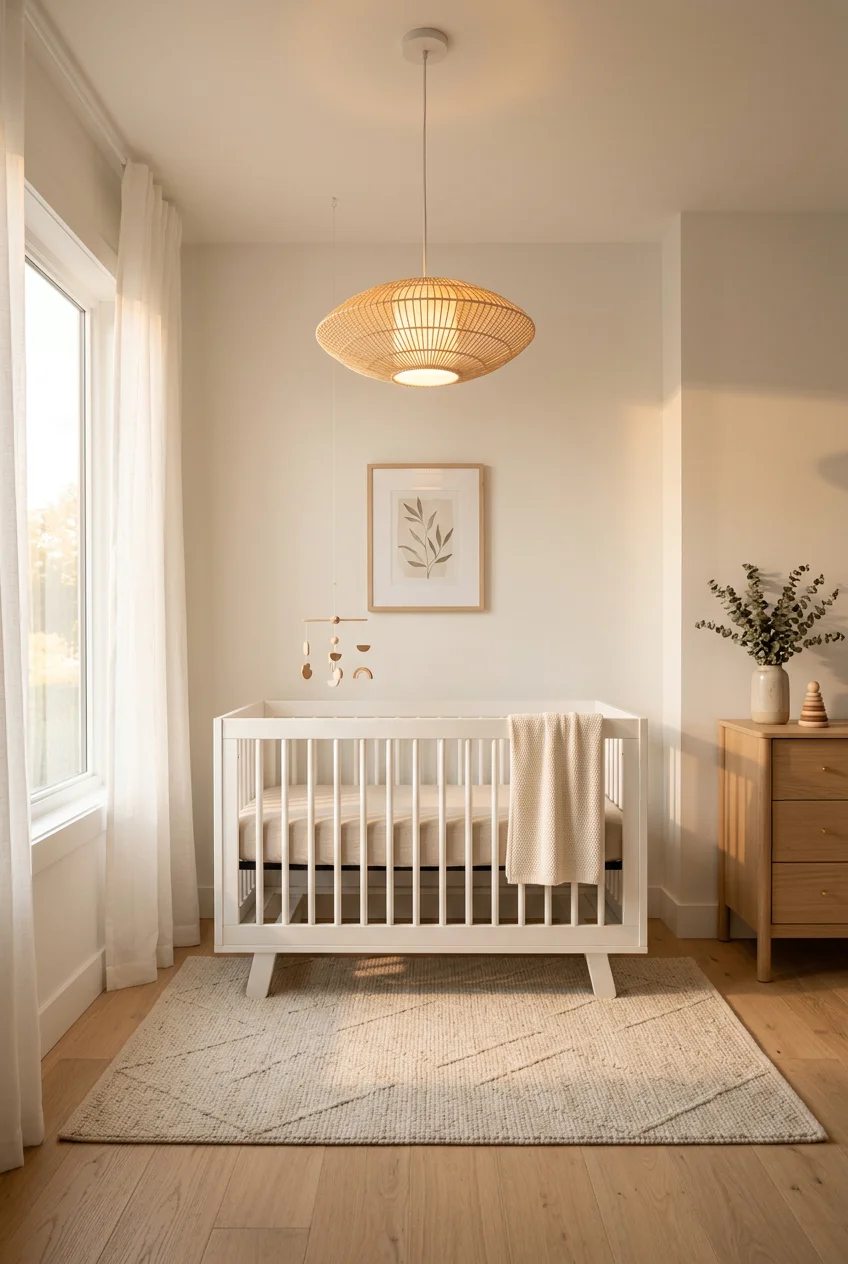
What’s Inside
- Embrace the Layered Lighting Approach for Modern and Minimalist Nursery Lighting Ideas
- Prioritize Warm Color Temperatures for Comfort
- Install Dimmers on All Main Light Sources
- Optimize Brightness Levels for Day and Night Activities
- Invest in a Smart Nightlight and Sound Machine
- Utilize Smart Bulbs for Ultimate Control
- Avoid Direct Light Placement Over the Crib
- Embrace Red Light for Nighttime Care
- Ensure Comprehensive Blackout Solutions
- Prioritize Safety with Rigid Cord Management
- Minimalist Wall Sconces for Space Saving
- Floor Lamps with Foot Pedals for Hands-Free Use
- Paper Lanterns for Soft, Inexpensive Diffusion
- Under-Crib Motion Sensor Lights
- Matte Black Fixtures for Crisp Visual Contrast
Most folks treat nursery lighting as an afterthought. They slap a cheap paper shade over a harsh 60-watt bulb and wonder why the baby won’t sleep. The reality? Modern and minimalist nursery lighting needs a real strategy for lumens and color, not just looks. A poorly lit room makes 3 AM feedings miserable and ruins sleep cycles. You can’t just buy whatever looks good on a shelf. If you only try one idea here, make it #8. Swapping a standard bulb for a pure red light protects the baby’s melatonin production and saves your sanity. Trust me on this.
Skip this if you’re planning a traditional, maximalist nursery with crystal chandeliers, heavy velvet, and ornate brass. These concepts focus on clean lines, hidden cords, and smart tech that stays in the background.
1. Embrace the Layered Lighting Approach for Modern and Minimalist Nursery Lighting Ideas

Modern nursery design in 2026 needs a layered strategy rather than one overhead fixture. A single flush mount casts terrible shadows and blasts too much light during a late-night diaper change. Layering means mixing ambient light, focused task light, and soft accents. Plan for a 15-inch diffused ceiling light for play, a 24-inch soft lamp on the dresser for changing, and a dim night light near the door for safety. You can piece this together using fixtures from Target and IKEA. The goal is flexibility. A common mistake is buying three lamps that all output the same harsh brightness. You need distinct levels of light. The catch: wiring multiple sconces or buying three high-quality lamps costs more than a builder-grade dome.
2. Prioritize Warm Color Temperatures for Comfort

Color temperature dictates the mood and sleep quality. You’re aiming for 2200K to 3000K. The 2700K mark is the sweet spot for a cozy, nurturing vibe that doesn’t feel like a hospital. Avoid anything 4000K or higher. Those daylight bulbs are way too stimulating for you and the baby. Check the back of the bulb box at Home Depot or Lowe’s for the Kelvin rating. Don’t trust labels like ‘soft white’—brands define that loosely. A 4-pack of 2700K LEDs usually runs under $15. The catch: warm light distorts paint colors, making whites look yellow, so test your swatches under these bulbs first.
3. Install Dimmers on All Main Light Sources

Dimmers aren’t a luxury; they’re vital. They let you move from a bright play space to a calm wind-down environment. Ensure main fixtures connect to a wall dimmer. If you’re renting, swap table lamps for ones with dimming knobs or use plug-in dimmer cords, usually under $20 at Walmart. Lutron makes reliable wall dimmers that don’t buzz with LEDs. A common mistake is using non-dimmable LEDs, which causes a headache-inducing flicker. Always check the packaging. The catch: retrofitting an older home needs basic electrical knowledge or a pro, which adds to your costs.
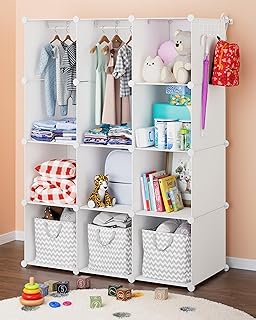
CUBEDIY Baby Closet Organizer for Nursery: Durable Baby
If you want something that just works, CUBEDIY Baby Closet Organizer for Nursery: Durable Baby Wardrobe for C is a safe bet (342 reviews, 4.5 stars).
4. Optimize Brightness Levels for Day and Night Activities

Balance visibility and calmness by watching your lumen output. For daytime, aim for 1500 to 3000 lumens total. This gives enough clarity to read medicine labels or match tiny socks. At night, stay under 300 lumens to avoid overstimulation. For diaper changes, target 300 to 600 lumens during the day, but drop to 150 to 300 at night. A standard 60-watt equivalent LED puts out 800 lumens, which is way too bright for a 2 AM wake-up. Read the packaging carefully. The catch: managing exact lumen counts requires buying specific bulbs and swapping them manually, which gets tedious. You might also like: 16 Toddler Boy Room Decor for Every Budget
5. Invest in a Smart Nightlight and Sound Machine

A device that handles low-level light and white noise is a nightstand essential. The Hatch Rest+ (2nd Gen) combines a nightlight, sound machine, and time-to-rise functions, all via an app. It costs $60 to $89. It allows for gentle transitions, helping establish sleep routines. You can set the light to turn soft yellow at 6:30 AM, signaling to a toddler that it’s okay to wake up. The speaker masks street noise well. The catch: this device needs steady Wi-Fi. If your internet drops, you can’t adjust settings remotely, leaving you with an expensive, basic lamp.
6. Utilize Smart Bulbs for Ultimate Control

For flexibility without rewiring, use smart bulbs like the Philips Hue series. These let you control brightness, temperature, and schedules from your phone. A starter kit with two bulbs and the Bridge runs about $140. You can program the overhead light to dim to 10 percent and turn a warm orange at 7 PM. It saves you from fiddling with switches when your hands are full. The catch: the physical wall switch must stay on. If a guest or toddler flips it off, the app control dies until someone flips it back. You might also like: 16 Yellow Nursery Ideas for Every Budget

Momcozy Sound Machine for Baby-20 Soothing Sounds & Touch
Momcozy Sound Machine for Baby-20 Soothing Sounds & Touch Warm Light P punches above its price — 14 buyers rated it 4.5 stars. The kind of pick people reorder.
7. Avoid Direct Light Placement Over the Crib

Positioning a fixture directly over the crib is a rookie mistake. It shines harsh light into the baby’s eyes and makes it hard for them to settle. Place the ceiling light in the center of the room or over a play rug, at least 36 inches away from the crib. If the box is already over the crib, use a swag hook to move the cord. You can find these at any hardware store for under $5. It’s a cheap fix. The catch: moving a hardwired fixture means patching and painting the ceiling, which is a messy weekend project. You might also like: 20 Brilliant Baby Nursery Themes Ideas You Can Try Today
8. Embrace Red Light for Nighttime Care

For late-night changes, swap standard lights for red or amber tones. Aim for 1600K to 2200K. These don’t disrupt melatonin production like blue or white light does. A 625nm pure red bulb gives enough visibility to change a diaper without waking the brain. Install one in a small clamp lamp on the changing table. It looks like a darkroom, but the sleep benefits are real. The catch: red light makes it hard to judge skin color, like checking for a rash or a messy diaper.
9. Ensure Comprehensive Blackout Solutions

True darkness is a core component of nursery lighting. You need more than just dark fabric. Products like Hunter Douglas Silhouette shades block street lamps well, though they’re pricey. Another detail? Cover the tiny LEDs on monitors and humidifiers. Even a small blue dot can be distracting. Use black electrical tape or LED dimming stickers, under $10 on Amazon, to cover them. The catch: heavy blackout curtains are hard to clean and often require professional dry cleaning.

Criusia Over the Door Organizer
Criusia Over the Door Organizer punches above its price — 336 buyers rated it 4.5 stars. The kind of pick people reorder.
10. Prioritize Safety with Rigid Cord Management

A minimalist aesthetic fails if cords trail across the floor. Plus, they’re a strangulation hazard. Secure every wire using rigid cord concealers. Plastic covers paint well to match the wall. You can grab a 150-inch kit at Target or Home Depot for cheap. Route wires behind dressers and secure them with zip ties. Never leave slack near an outlet. The catch: adhesive-backed covers often rip the drywall paper off when you remove them, so you’ll be doing some painting on move-out day.
11. Minimalist Wall Sconces for Space Saving

Floor lamps take up floor space, and table lamps crowd your dresser. Wall sconces move the light off your surfaces. Look for matte metal designs from West Elm or CB2. A plug-in sconce is a great workaround if you can’t hardwire. Mount one 55 inches from the floor near the rocking chair for a reading zone. It provides focused light without flooding the room. The catch: plug-in sconces still have a visible cord. Even with a cover, you’re looking at a vertical line on your wall.
12. Floor Lamps with Foot Pedals for Hands-Free Use

When you’re holding a sleeping infant, you don’t have a free hand for a rotary switch. A floor lamp with a foot pedal is a massive upgrade. Put a slim arc lamp behind the nursing chair. You can step on the switch to toggle the light without shifting your weight. IKEA sells several minimalist floor lamps with foot switches at budget prices. Look for a heavy marble or iron base so it won’t tip. The catch: pedals are tempting toys for toddlers. You might have to hide the switch once the baby starts moving.

Night Light for Kids, Baby Night Light with Sound Machine
Night Light for Kids has been one of the most consistently praised picks in this category. 57 reviewers averaged 4.5/5.
13. Paper Lanterns for Soft, Inexpensive Diffusion

Working with a tight budget? An oversized paper globe is a great minimalist solution. The rice paper diffuses light and spreads a gentle glow. A 24-inch shade from a craft store or IKEA costs just a few dollars, but it looks like high-end Scandinavian design. Pair it with a white cord kit. It’s visually light and fits a neutral aesthetic. Hang it high so you don’t bump your head. The catch: paper is fragile. A thrown toy or a vacuum handle will poke a hole in it, forcing a replacement.
14. Under-Crib Motion Sensor Lights

Navigating a dark room at 3 AM leads to stubbed toes. Installing a strip of motion-sensor LEDs under the crib or dresser solves this. These battery-operated strips cast a low, downward glow without shining in the baby’s face. You can find a 3-foot strip at hardware stores for cheap. Set the timer to shut off after 30 seconds. It provides enough light to check the room without touching a wall switch. The catch: battery-operated strips eat through AA batteries if you walk past them a lot. Keep a supply of rechargeables ready.
15. Matte Black Fixtures for Crisp Visual Contrast

A white and pastel room often feels flat. Ground the space by picking fixtures with matte black hardware. A sleek black pendant adds a graphic element that makes the room feel modern. It breaks up the monotony of soft textures. You can source affordable matte black fixtures from Crate & Kids or Wayfair. Keep the lines thin to maintain that minimalist vibe. A 6-inch matte black backplate on a sconce is enough. The catch: matte black shows dust instantly. You’ll be wiping the lamp with a microfiber cloth weekly. Learned that the hard way.
How we chose these ideas: These concepts were picked based on renter-friendliness, cost, ease of installation, and impact. We focused on lighting that helps with daily use and sleep science instead of just trends.
I recommend checking your current bulb temperatures before buying new fixtures. Pin this list to your nursery planning board so you have the lumen and Kelvin numbers handy when you’re in the lighting aisle. No exaggeration.

Criusia Drawer Organizer Clothes
Criusia Drawer Organizer Clothes is sturdier in person than the photos suggest — over 12 buyers gave it 4.5 stars.
Frequently Asked Questions
What is the best color temperature for nursery lighting?
Aim for a warm color temperature between 2200K and 3000K, with 2700K being the ideal choice. Warm light creates a cozy atmosphere and prevents the sleep disruption caused by cool, blue-toned daylight bulbs.
How many lumens do I need in a nursery?
For daytime activities, aim for 1500 to 3000 lumens across the room. At night, keep the overall lighting under 300 lumens to avoid overstimulation during feedings and diaper changes.
Are smart bulbs worth it for a nursery?
Smart bulbs offer excellent flexibility, allowing you to adjust brightness and color temperature from your phone. They are great for setting automated routines, though they require the physical wall switch to remain on.
Why should I avoid placing a light directly over the crib?
Placing a fixture directly over the crib shines harsh light into the baby’s eyes, causing glare and disrupting sleep. Always position overhead lights centrally or away from the sleeping zone.
