What’s Inside
- Embrace Layered Lighting for Optimal Functionality
- Prioritize Warm White Bulbs (2700K-3000K)
- Install Smart Dimmers on All Light Sources
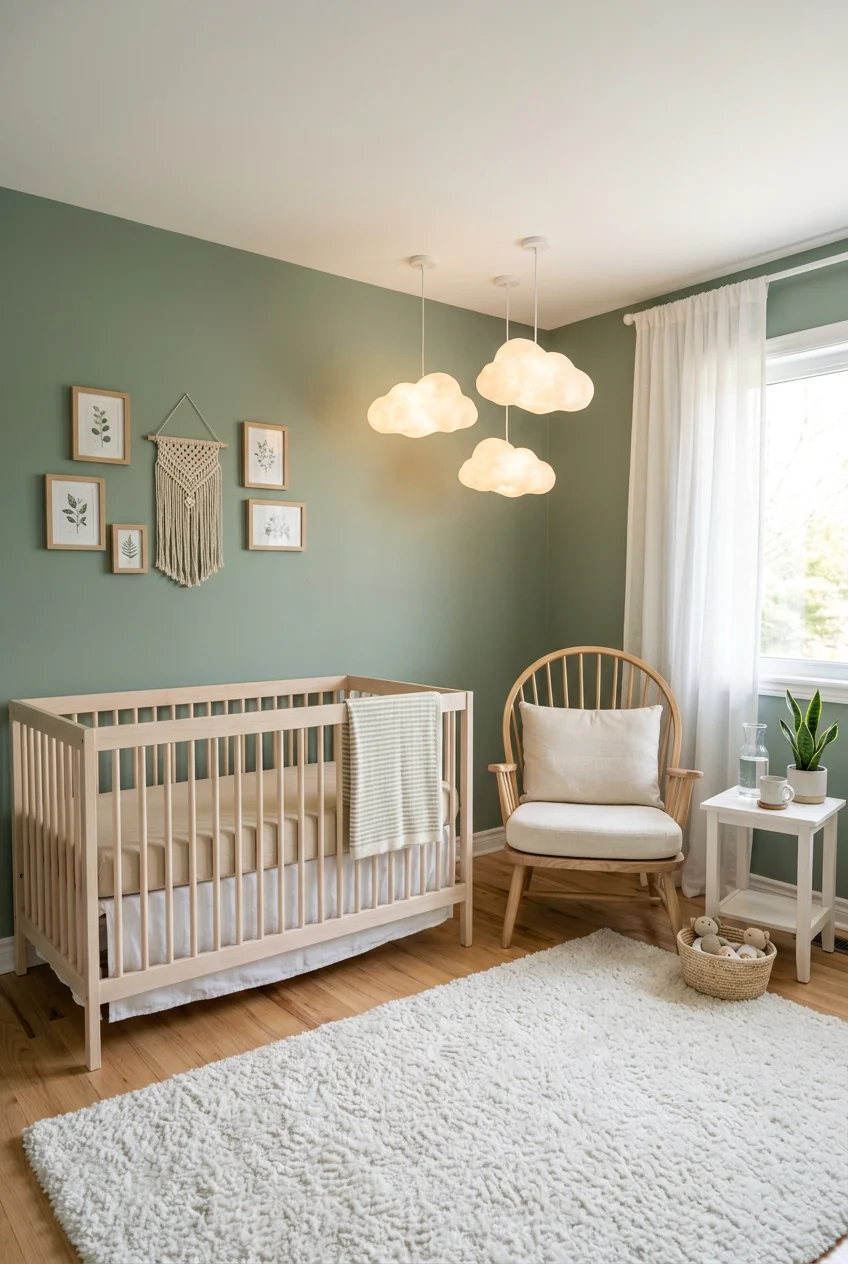
- Choose Cloud-Shaped Flush Mounts for Overhead Lighting
- Integrate Red-Spectrum Cloud-Themed Nursery Lighting Ideas
- Opt for Cordless, Rechargeable Night Lights
- Utilize Under-Crib Smart Lights for Discreet Check-ins
- Create a DIY Cloud Canopy with Battery-Powered LEDs
- Project Dreamy Skies with a Quality Star Projector
- Avoid Heavy Hanging Fixtures Directly Above the Crib
- Ensure Adequate Brightness for Daytime Tasks (1500-3000 Lumens)
- Choose Smart Night Lights with Sound Machine Functionality
- Secure All Cords and Ban Floor Lamps
- Consider Flicker-Free LEDs with a High Color Rendering Index (CRI 90+)
- Embrace the Calm Lighting Movement with Natural Textures
- Hang Whimsical Cloud-Themed Nursery Lighting Ideas on the Wall
- Mount Battery-Operated Cloud Marquee Lights
Most folks hang a single, glaring overhead light, flip the switch at 2 AM, and wonder why the baby thinks it’s playtime. Getting your cloud-themed nursery lighting right from the start prevents those middle-of-the-night disasters. You want soft, diffuse light that mimics an overcast sky, not the harsh glare of an interrogation room. Proper lighting dictates sleep cycles, mood, and safety. A harsh bulb ruins the serene vibe faster than a pile of dirty diapers, casting sharp, scary shadows across the crib. Nailing the lighting means understanding color temperatures, lumen output, and cord safety before you ever pick up a drill. If you only try one idea from this list, make it #5. Incorporating a red-spectrum cloud light prevents melatonin suppression, making those 3 AM feeds way less painful for everyone. Trust me.
Skip this list if your rental agreement forbids swapping out hardwired ceiling fixtures and you refuse to use adhesive hooks on the drywall. These setups require at least a basic willingness to change out standard bulbs, mount lightweight items, or manage smart plugs and cords.
1. Embrace Layered Lighting for Optimal Functionality

Don’t rely on one overhead light. A proper nursery needs a layered approach. You need a ceiling fixture for general light, a focused task light near the changing table for messy blowouts, and a soft accent light for overnight checks. This setup allows for adjustable brightness all day and night. A baby’s developing eyes are sensitive. Blasting them with full wattage at midnight disrupts their sleep cycles and guarantees they won’t settle back down. You can pick up basic, budget-friendly task lamps at Target (usually under $40) to layer with your main light. The goal is to control the direction. Point the light at the diaper or the pages of a book, not into the baby’s face.
Best for: larger nurseries with distinct zones for sleeping, changing, and playing.
The catch: this requires managing multiple power sources and routing cords, so you’ll need to buy hard plastic cord concealers to keep everything safe. I learned that the hard way.
2. Prioritize Warm White Bulbs (2700K-3000K)

Color temperature matters. Opt for LED bulbs with a warm white color temperature, ideally between 2700K and 3000K. This range creates a cozy, nurturing atmosphere that feels physically warmer. Experts suggest this spectrum for nurseries because it’s gentle on a baby’s eyes and supports healthy circadian rhythms. Cooler, bluer lights (like 5000K or 6000K) suppress melatonin, tricking the brain into thinking the sun is up. You can find standard 2700K A19 bulbs at Home Depot for just a few dollars. Always read the fine print on the box. If it says “daylight” or “cool white,” put it back.
The catch: warm lighting changes how paint colors look, often making crisp whites look yellow or creamy at night, which might mess with your color palette.
3. Install Smart Dimmers on All Light Sources

A dimmer switch isn’t a luxury. It’s a requirement. A dimmer lets you lower light levels to soothe your baby, mimicking a natural sunset. It also provides just enough light for late-night feedings without waking the child. Smart dimmers from brands like Lutron (budget to mid-range) allow for app or voice control. This means you can lower the lights from the rocking chair without getting up and risking a creaky floorboard. You can find these at Lowe’s in the electrical aisle. The smooth sliding action of a smart dimmer beats the loud, plastic click of a toggle switch every time.
Best for: tech-savvy parents who want hands-free control while holding a sleeping infant.
The catch: older homes often lack the neutral wire required for many smart dimmers, forcing you to hunt down a specific (and sometimes pricier) no-neutral model.

Beautiful Wooden Baby Closet Dividers Set of 7
If you want something that just works, Beautiful Wooden Baby Closet Dividers Set of 7 – Double-Sided Organize is a safe bet (11 reviews, 4.5 stars).
4. Choose Cloud-Shaped Flush Mounts for Overhead Lighting

For a primary light, skip the pendants and pick a cloud-shaped flush mount. The Henryson Acrylic LED Flush Mount by Isabelle & Max (available on Wayfair) offers a playful cloud design with remote-controlled dimming. Another solid option is the Aeyee Cloud Ceiling Light Fixture. It’s about 25.1 inches wide by 22.4 inches deep and has three color settings (3000K, 4000K, 6000K) cycled via a wall switch. Flush mounts prevent tip-over risks, keep the ceiling looking taller, and stay out of reach of a growing toddler who might decide to throw a stuffed animal at the ceiling. No exaggeration.
The catch: installing hardwired flush mounts requires turning off the breaker and doing basic electrical work, which intimidates many DIY beginners.
5. Integrate Red-Spectrum Cloud-Themed Nursery Lighting Ideas

Incorporate a red-spectrum LED light for overnight use. Unlike white or blue light, red light (around 2200K or lower) is scientifically proven not to suppress melatonin. The Rolenn Studio Bouclé Cloud Wall Light is a standout that features a built-in red-spectrum LED. It’s designed to aid in softer settles and longer sleep stretches. Turn this on when you walk in at 2 AM. It provides enough visibility to avoid tripping over a wooden block without signaling to the baby’s brain that morning has arrived. The red glow mimics the safety of the womb. You might also like: 20 Baby Room Decor Ideas for Every Budget
The catch: red light makes it nearly impossible to read the lines on a medicine syringe or tell a dark blue onesie from a black one during a change. You might also like: 19 Baby Boy Nursery Room Ideas Worth Trying
6. Opt for Cordless, Rechargeable Night Lights

To eliminate strangulation hazards, choose cordless and rechargeable night lights. The VAVA SqueezyGlow is a functional silicone option. It offers a warm glow and is safe for little hands to grab or chew on. Charge it via a USB block during the day and place it on the changing table at night. These typically cost under $30. Because there’s no cord, you can carry it down the hall if you need to grab a bottle without turning on the hallway lights. You might also like: 17 Nursery Organization Ideas for Every Budget
Best for: renters who don’t have convenient outlets near the crib or changing station.
The catch: you have to remember to plug it in. If the battery dies at 3 AM, you’re left fumbling in the dark.

Criusia Drawer Organizer Clothes
Criusia Drawer Organizer Clothes has been one of the most consistently praised picks in this category. 12 reviewers averaged 4.5/5.
7. Utilize Under-Crib Smart Lights for Discreet Check-ins

Install an under-crib smart light for stealth check-ins. The Safety 1st Under Crib Smart Light ($30-$50) is a motion-activated strip. It glows beneath the crib, letting you check on the baby without turning on a lamp. It’s controllable via an app and works with Alexa and Google Home. The light stays low, illuminating your path across the rug without shining into the crib. You mount it using adhesive backing directly to the crib frame.
The catch: if you have a dog or cat that wanders in at night, they’ll trigger the sensor and either drain the battery or wake you up.
8. Create a DIY Cloud Canopy with Battery-Powered LEDs

Construct a DIY cloud canopy for a whimsical focal point. Use paper lanterns (one 16-inch, two 10-inch) and polyester batting. Attach the batting to the lanterns with low-heat hot glue, fluffing it out to hide the paper. Add a 10-meter string of battery-powered LED lights inside. You can buy the supplies at Walmart for cheap. Stick to LED string lights. Incandescent bulbs generate heat and pose a fire risk when wrapped in polyester batting.
Best for: tight budgets and crafty parents wanting a custom, textured look.
The catch: polyester batting is a dust magnet and is incredibly hard to clean once it’s hanging from the ceiling.
9. Project Dreamy Skies with a Quality Star Projector

A star projector turns a blank ceiling into a night sky without any permanent installation. The Orzorz Galaxy Lite Home Planetarium (often $50-$80) is known for realistic imagery and includes a 45- or 90-minute sleep timer. The BlissLights Sky Lite 2.0 is another alternative, offering customizable colors controllable via smartphone. These projectors add movement and depth to the room. Set the device on a bookshelf, point the lens up, and plug it in.
The catch: the internal motors often emit a faint humming, grinding, or clicking noise that might irritate highly sensitive sleepers.
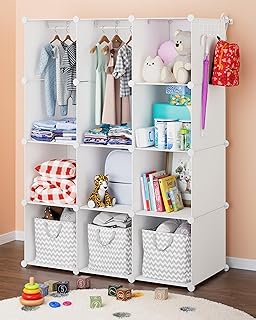
CUBEDIY Baby Closet Organizer for Nursery: Durable Baby
CUBEDIY Baby Closet Organizer for Nursery: Durable Baby Wardrobe for C punches above its price — 342 buyers rated it 4.5 stars. The kind of pick people reorder.
10. Avoid Heavy Hanging Fixtures Directly Above the Crib

Never hang heavy light fixtures, metal chandeliers, or glass pendants directly above the baby’s crib. This is a massive safety risk that too many people ignore for a Pinterest photo. If the fixture or a glass globe were to fall, the results would be catastrophic. Mount all ceiling lights to a stud and away from the crib. If the room layout forces the crib under a central junction box, cap the box with a blank metal plate and use wall sconces instead. It isn’t worth the risk.
The catch: this placement rule limits your furniture options in smaller bedrooms where the crib only fits in one spot.
11. Ensure Adequate Brightness for Daytime Tasks (1500-3000 Lumens)

While soft lighting is crucial for sleep, your primary overhead light must be bright enough for daytime tasks. Trying to clip tiny fingernails or clean a spill in dim light is a bad idea. Aim for 1500 to 3000 lumens for general use. That’s roughly 10 to 20 lumens per square foot. When buying the fixture, check the lumen output on the packaging, not just the wattage. You want the room to feel bright when it’s cloudy outside.
The catch: fixtures with 3000 lumens are often bulkier, which can overwhelm the proportions of a tiny nursery ceiling.
12. Choose Smart Night Lights with Sound Machine Functionality

Multifunctional smart devices reduce clutter and free up outlet space. The PureBaby Cloud Portable Sound Machine and Night Light ($20-$40) offers 15 sounds and a night light with 7 colors. It features a 30-minute timer. The Hatch Rest 2nd Gen is a premium multitasker that combines a dimmable RGB light, white noise, and app control. Combining the light and sound machine means you only need one power cord.
The catch: the premium models rely on a stable Wi-Fi connection. If your internet goes down, you lose control of the light and sound.

Night Lights, White Noise Machine
Night Lights is sturdier in person than the photos suggest — over 255 buyers gave it 4.5 stars.
13. Secure All Cords and Ban Floor Lamps

Loose cords are a strangulation hazard once your baby starts crawling. Secure all cords tightly to the wall using plastic cable raceways. Avoid floor lamps entirely. Mobile babies use furniture to pull themselves up. A lightweight lamp will tip over, causing injury or shattered bulbs. Stick to wall-mounted sconces, flush ceiling fixtures, or heavy table lamps placed out of reach. You can buy adhesive cord covers at Ikea or Home Depot for a few dollars.
The catch: adhesive covers often rip the top layer of drywall paper off when you try to remove them later.
14. Consider Flicker-Free LEDs with a High Color Rendering Index (CRI 90+)

For visual clarity, choose flicker-free LED bulbs with a CRI of 90 or higher. The CRI measures how accurately a light source reveals true colors compared to sunlight. A high CRI helps when you’re trying to match socks or check for a rash. Cheap LEDs often have an invisible flicker that causes eye strain and headaches. Look for the “CRI 90+” label on the box.
The catch: high CRI LED bulbs are more expensive than standard multipacks, adding up if you replace every bulb in the room.
15. Embrace the Calm Lighting Movement with Natural Textures

The current trend emphasizes soft, warm, and layered illumination paired with tactile materials. Pair your cloud-themed lights with natural textures like linen drum shades or bouclé fabric. A bouclé-wrapped sconce diffuses the light and adds texture to the room. It stops the space from feeling too plastic or clinical. You can find textured shades at Target to swap onto basic lamp bases.
Best for: design-focused parents wanting a modern, organic aesthetic rather than a bright, cartoonish vibe.
The catch: fabric shades, especially bouclé, absorb odors and trap dust much faster than wipeable metal or glass fixtures.

Momcozy Sound Machine for Baby-20 Soothing Sounds & Touch
If you want something that just works, Momcozy Sound Machine for Baby-20 Soothing Sounds & Touch Warm Light P is a safe bet (14 reviews, 4.5 stars).
16. Hang Whimsical Cloud-Themed Nursery Lighting Ideas on the Wall

Neon-style LED signs add a fun, modern punch to the wall without taking up floor space. You can find safe, silicone-encased LED cloud signs at Walmart or Target (usually under $30). These don’t use real glass or dangerous gas. They plug into a USB block and emit a solid glow. Hang them above a bookshelf or near the rocking chair as an accent piece during the early evening. They act as functional, glowing art.
The catch: these signs are bright and rarely come with dimmers, making them too intense to use as an overnight nightlight.
17. Mount Battery-Operated Cloud Marquee Lights

Marquee lights shaped like clouds offer a vintage, playful look. These use small, round LED bulbs set into a metal or plastic frame. Because they run on AA batteries, you can hang them anywhere without worrying about outlets or cords. They provide a dim, dotted light pattern that works well as a decorative accent above a changing table.
The catch: changing the batteries requires taking the entire fixture off the wall, which gets annoying if you use it daily.
How we chose these ideas: The selections prioritize safety above all else, focusing on cord management, tip-over risks, and secure mounting. We also evaluated renter-friendliness, cost, and sleep science like color temperature and lumen output to ensure the lighting serves a practical purpose.
Getting the lighting right makes a difference in how functional the room is at 3 AM. Skip the harsh overheads and focus on soft, dimmable layers that support sleep. Pin this list to your nursery design board so you have these specs, color temperatures, and safety rules handy when you start shopping.
Frequently Asked Questions
What is the best color temperature for nursery lighting?
Opt for warm white LED bulbs between 2700K and 3000K. This spectrum is gentle on developing eyes and supports healthy circadian rhythms, unlike cooler daylight bulbs (5000K+) which suppress melatonin and disrupt sleep.
Are cloud-shaped neon signs safe for a baby’s room?
Yes, provided you choose silicone-encased LED signs rather than traditional glass and gas neon. Ensure the cord is securely fastened to the wall with hard plastic raceways to eliminate strangulation hazards.
How many lumens do I need in a nursery?
For daytime functionality, aim for 1500 to 3000 lumens total (about 10-20 lumens per square foot). Always use a dimmer switch so you can reduce this brightness significantly for bedtime and overnight feeds.
Why should I use red light in a nursery?
Red-spectrum light (around 2200K or lower) does not suppress melatonin production. Using a red night light allows you to see during late-night diaper changes without signaling to the baby’s brain that it’s time to wake up.
