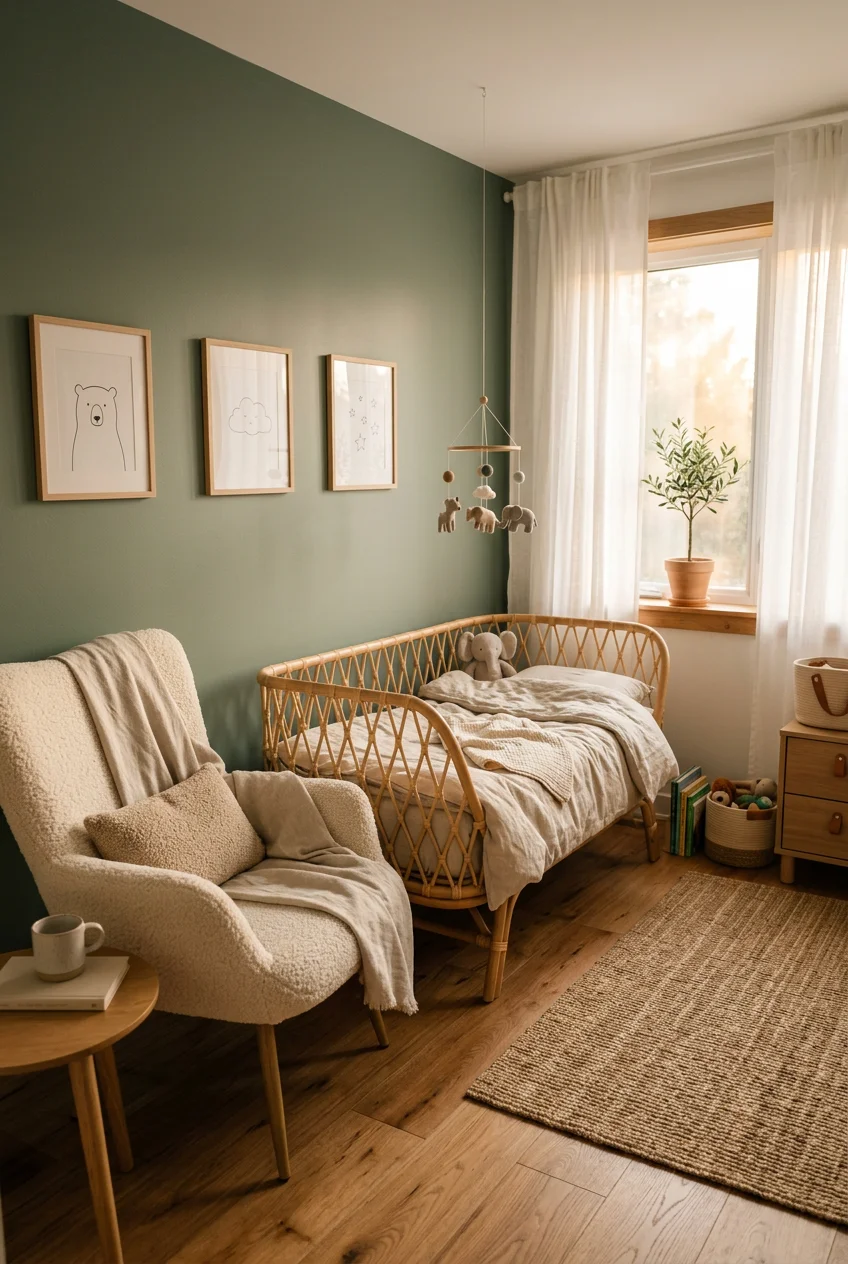
What’s Inside
- Embrace Earthy Color Palettes for Ideas Themes Gender Neutral Nursery Walls
- Prioritize Zero-VOC Paints
- Invest in Grow-With-Me Convertible Furniture
- Layer Textures Extensively to Add Depth
- Implement Color Drenching for a Cocooning Effect
- Choose Nature-Inspired Themes Over Gender Tropes
- Create a Sensory Accent Wall with Geometric Decals
- Incorporate Thoughtful Layered Lighting with Dimmers
- Select Organic Cotton Crib Bedding
- Utilize Open Shelving and Woven Baskets
- Integrate Biophilic Design Elements
- Choose Clean-Lined, Simple Furniture
- Incorporate Mirrors to Enhance Space and Light
- Avoid Overly Baby-ish Decor Pieces
- Anchor All Furniture to the Wall for Safety
- Swap Standard Hardware for Leather Pulls
- Install Heavy Linen Blackout Curtains
- Maximize Ideas Themes Gender Neutral Nursery Storage
Most parents paint the walls pale yellow and call it a day when planning a gender-neutral nursery. It ends up looking like a doctor’s waiting room. A functional space needs texture, layered lighting, and storage that actually works. We aren’t doing generic pastel animal borders today. If you only try one idea from this list, make it #5. Here’s why: color drenching completely changes the sensory experience of a room without demanding expensive furniture. It’s a total transformation. Trust me on this.
Skip this list if you’re in a strict apartment that bans painting or drilling into the walls. Many of these concepts require swapping light fixtures, anchoring heavy dressers, or applying dark, saturated paint colors that landlords hate.
1. Embrace Earthy Color Palettes for Ideas Themes Gender Neutral Nursery Walls

Let’s move beyond the traditional bright yellows and mint greens. Trending palettes lean toward warm, earthy neutrals like Benjamin Moore’s Saybrook Sage HC-114, Sherwin-Williams’ Creamy SW 7012, or Benjamin Moore’s Indian River 985, which is a gorgeous mushroom tone. These colors provide a calming backdrop that grows with your child and pairs beautifully with natural wood and organic textiles. For a standard 10×12 foot room with 8-foot ceilings, you’ll typically need one to two gallons of paint. This usually costs approximately $40 to $80 per gallon for high-quality interior paint. You’ll want a matte or eggshell finish to hide wall imperfections. Glossy walls in a nursery just look cheap and reflect overhead light in a harsh way. The catch: muted, flat colors show scuff marks much faster than dark tones or glossy finishes.
2. Prioritize Zero-VOC Paints

A common mistake is overlooking paint chemistry entirely. Babies spend 14 to 18 hours daily in their nursery, making indoor air quality incredibly important. Always choose paints with low or zero volatile organic compounds. Look specifically for the Greenguard Gold certification on the label to ensure a healthier environment. Benjamin Moore’s Natura or Sherwin-Williams’ Harmony lines are reliable options in the $50 to $80 per gallon range. Most people just grab the cheapest can off the hardware store shelf and wonder why the room smells like chemicals for three weeks. You don’t want a newborn breathing that in. Chemical off-gassing from standard paints causes respiratory irritation for months after drying. Proper ventilation during painting is still necessary, even with zero-VOC formulas. The catch: zero-VOC paints usually require an extra coat for full, opaque coverage compared to traditional chemical-heavy paints.
3. Invest in Grow-With-Me Convertible Furniture

Instead of buying a standalone bassinet, a mini crib, and then a regular crib, opt for furniture that transitions. A crib that converts into a toddler bed and eventually a full-size bed offers actual longevity. Brands like Babyletto or DaVinci sell reliable models in the $300 to $600 range. Look for brands that use non-toxic finishes and solid wood construction rather than flimsy particle board that chips after a few months. Similarly, choose a sturdy dresser like the Babyletto Hudson 3-Drawer Changer Dresser, which typically runs $400 to $500. It serves as a changing station with a removable pad on top, and later functions as a standard bedroom dresser. Buying specialized changing tables is a massive waste of money. They take up floor space and become useless the second your kid is potty trained. Best for: tight budgets. The catch: conversion kits are almost always sold separately and are frequently out of stock by the time you actually need them.

Criusia Drawer Organizer Clothes
A dependable everyday pick — Criusia Drawer Organizer Clothes pulls in 12 ratings at 4.5 stars. Not flashy, just solid.
4. Layer Textures Extensively to Add Depth

Subtle nurseries desperately need more texture. Without it, neutral rooms just look flat and boring. Combat this blandness by incorporating a variety of tactile materials. Think chunky knit cotton blankets, a linen crib skirt, and a woven jute rug. A 5×7 foot Lorena Canals washable rug usually costs between $200 and $400, and adds immediate warmth. Mix these soft textiles with solid oak or rattan furniture to create visual interest. Layering a smaller, patterned rug over a large, neutral carpet is another great way to define the play area and add dimension. When everything in the room is smooth painted wood and flat cotton, the space feels sterile. Adding different textures makes the room feel plush and inviting without relying on loud, obnoxious colors. The catch: chunky knit blankets snag easily on baby fingernails and require delicate hand washing.
5. Implement Color Drenching for a Cocooning Effect

Color drenching is a technique where all four walls, the ceiling, the baseboards, and the door frames are painted in the exact same calming tone. This creates an immersive, restful environment by giving the eye nowhere sharp to catch. It makes the room feel quieter and much more contained. A soft sage green or a warm stone color works perfectly for this approach. Painting the trim the same color as the walls also makes the ceilings look higher, which is a nice bonus for small spaces. White ceilings in a dark room create a harsh visual break that strains the eyes. If you’re nervous about committing to a dark color, test a large swatch on multiple walls to see how the light hits it throughout the day. Best for: small dark rooms. The catch: painting the ceiling is physically exhausting and requires a sturdy ladder and neck stamina.
6. Choose Nature-Inspired Themes Over Gender Tropes

Avoid themes like ballerinas or trucks that quickly feel dated or limiting. Universally appealing themes like woodland creatures, safari animals, stars, or botanical prints age much better. You can buy a set of four safari animal prints featuring an elephant, lion, giraffe, and zebra from Etsy sellers. These digital downloads typically cost $20 to $50. You can then print them cheaply at Costco or Walmart photo centers. This looks far more sophisticated than plastering cartoon characters everywhere. Nature themes also give you a wider color palette to work with, pulling in deep greens, warm terracottas, and soft sky blues. You can also incorporate nature through wooden toys displayed on open shelves, which double as decor when not in use. The catch: custom framing to make those cheap digital prints look high-end will cost significantly more than the prints themselves. You might also like: 17 Twin Nursery Boy And Girl That Actually Work

Criusia Over the Door Organizer
If you want something that just works, Criusia Over the Door Organizer is a safe bet (336 reviews, 4.5 stars).
7. Create a Sensory Accent Wall with Geometric Decals

Rather than committing to a full wall of expensive wallpaper, consider a sensory accent wall using high-contrast, peel-and-stick geometric decals in muted earth tones. Newborns can only see high-contrast shapes at first anyway. This adds visual stimulation for the baby without the permanence or massive cost of wallpapering an entire room. Decals are also incredibly easy to update as the child grows and their tastes change. You can find large packs of arch or half-moon decals online for under $40. Just make sure to apply them with a smoothing tool to get the air bubbles out. Best for: renters. The catch: decals will peel off heavily textured walls within a week, so your walls need to be completely smooth. You might also like: 15 Unisex Nursery Ideas You Need to See
8. Incorporate Thoughtful Layered Lighting with Dimmers

Proper lighting is crucial for both function and your sanity during 3 AM wakeups. A common mistake is relying entirely on one harsh overhead light. You need layered lighting. Install a dimmable overhead fixture, place a task lamp near the changing station, and put a floor lamp by the glider for reading. The Lume Black 19-inch Modern Bottle Table Lamp runs about $95 and provides a nice, targeted glow. Dimmers are mandatory for adjusting brightness during late-night feedings so you don’t fully wake the baby up. A harsh overhead light flipped on at 2 AM will instantly signal to your baby that it’s playtime, ruining any chance of getting them back to sleep quickly. The catch: installing a hardwired dimmer switch requires basic electrical knowledge or paying an electrician. You might also like: 15 Tiny Nursery Ideas That Actually Work
9. Select Organic Cotton Crib Bedding

Look for bedding sets in soft tones like white, oatmeal, gray, or sage. The material matters just as much as the color. Choose 100% washed cotton or organic cotton. Brands like Boss and Baby or High Cotton Textile offer complete gender-neutral crib bedding sets ranging from $80 to $200. These usually include a fitted sheet, a crib skirt, and a toddler blanket. Avoid putting excessive bedding in the crib. Only a tight fitted sheet is recommended for safe sleep for infants under one year. Skip the plush crib bumpers entirely. They’re a safety hazard and look cluttered anyway. Also, buy at least three fitted sheets. You’ll inevitably deal with middle-of-the-night blowouts, and fumbling around in the dark for a clean sheet is a nightmare. I learned that the hard way. The catch: organic cotton wrinkles terribly in the wash and never looks as crisp as synthetic blends.
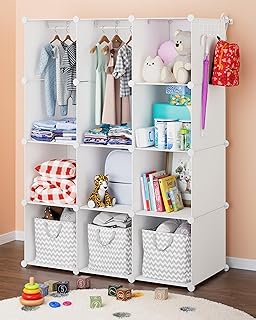
CUBEDIY Baby Closet Organizer for Nursery: Durable Baby
A dependable everyday pick — CUBEDIY Baby Closet Organizer for Nursery: Durable Baby Wardrobe for C pulls in 342 ratings at 4.5 stars. Not flashy, just solid.
10. Utilize Open Shelving and Woven Baskets

To avoid overcrowding and keep the room feeling airy, opt for open shelving instead of heavy, closed bookcases. Complement these shelves with large woven baskets for organizing toys, spare blankets, and diapers. You can find sturdy seagrass or water hyacinth baskets at The Container Store or Serena & Lily, typically ranging from $30 to $100 each. This approach makes cleaning up much easier because you can just toss items into a basket. It also adds natural texture to the room. Staring at a massive, dark wood bookcase can make a small nursery feel claustrophobic. Line the baskets with washable cotton inserts so you can easily clean them if lotions or diaper creams spill inside. The catch: open shelves require constant organizing, or they quickly look like a cluttered mess.
11. Integrate Biophilic Design Elements

Bring the outdoors inside. Nature is an excellent source of inspiration for palettes and materials. You can achieve this with a subtle forest mural, botanical art prints, or actual non-toxic, baby-safe plants. Spider plants or Boston ferns are great options. You can pick up a healthy potted fern at Trader Joe’s, Kroger, or Sprouts for under $15. Place them high up on a shelf, completely out of reach. Live plants improve air quality and bring a literal breath of fresh air into a stagnant room. Fake plants just collect dust and look plasticky. If you absolutely can’t keep a plant alive, high-quality dried eucalyptus branches in a heavy ceramic vase offer a similar organic feel without the maintenance. The catch: live plants require consistent watering routines that severely sleep-deprived parents almost always forget.
12. Choose Clean-Lined, Simple Furniture

Select furniture with strong, simple lines and avoid pieces with heavy, ornate carvings. Overly decorated furniture dictates a very specific, often gendered style. Clean-lined pieces are versatile and blend into any design scheme. Brands like West Elm Kids or Pottery Barn Kids offer timeless designs that don’t scream baby room. A simple mid-century modern dresser can easily transition into a teenager’s room or a guest room later on. Bulky sleigh cribs take up too much visual space and make the room look dated. You also want furniture with plenty of clearance underneath. Being able to run a vacuum easily under the crib and dresser will save you a lot of hassle. The catch: minimalist furniture often lacks the deep, built-in storage compartments found in traditional, bulkier pieces.

Beautiful Wooden Baby Closet Dividers Set of 7
Beautiful Wooden Baby Closet Dividers Set of 7 – Double-Sided Organize is sturdier in person than the photos suggest — over 11 buyers gave it 4.5 stars.
13. Incorporate Mirrors to Enhance Space and Light

Most people forget to put mirrors in a nursery. Strategically placed mirrors reflect light from the windows, making the room feel significantly larger and brighter. A simple brass arched mirror from Target, usually priced around $60 to $80, complements almost any neutral theme. Place it opposite the window to maximize the natural light bounce. Babies also love looking at themselves once they get a little older, making it a functional piece of decor. Avoid placing the mirror directly facing the crib, as the reflections and shifting light can sometimes startle a baby trying to nap. Just make sure the mirror is securely mounted to the wall studs, not just hung on a flimsy drywall anchor. Best for: tiny nurseries. The catch: mirrors reflect messes just as well as they reflect light, doubling the visual clutter if the room is untidy.
14. Avoid Overly Baby-ish Decor Pieces

Decorating with items that a child will outgrow in two years is a massive waste of money. Instead, choose wall art and decor that feels sophisticated. Classic, vintage-style Winnie the Pooh sketches or muted abstract art have timeless appeal. Skip the neon plastic wall clocks and cartoon character lamps. If you buy decor that belongs in a standard living room, it’ll work perfectly in a modern nursery. You want the space to feel calm and curated, not like the toy aisle at a big box store. Look for local artists or check out museum gift shops for unique prints that add character without looking like a generic nursery catalog. Restraint is key here. The catch: abstract art doesn’t provide the high-contrast visual stimulation that newborns actually need for eye development.
15. Anchor All Furniture to the Wall for Safety

This is a critical, non-negotiable step. Every single piece of heavy furniture, especially dressers and bookshelves, must be securely anchored to the wall. This prevents fatal tipping hazards once your baby starts pulling up or climbing. Anti-tip kits are often included with new furniture, or you can buy heavy-duty metal brackets at the hardware store for under $10. Don’t use the cheap plastic zip-tie anchors; they snap under pressure. Find the wall stud and drill the bracket directly into the wood. Even if a dresser feels heavy and sturdy, the center of gravity shifts drastically when a toddler pulls out all the bottom drawers and steps on them. Safety always trumps aesthetics in a nursery. The catch: you’ll have to patch and paint large drywall holes when you eventually move the furniture to a different wall.

Vailando 6-Shelf Hanging Closet Organizer with 3 Drawers
If you want something that just works, Vailando 6-Shelf Hanging Closet Organizer with 3 Drawers is a safe bet (35 reviews, 4.5 stars).
16. Swap Standard Hardware for Leather Pulls

A quick way to make a cheap dresser look custom is to swap out the factory hardware. Replace standard metal knobs with soft leather pulls. You can find beautiful, handmade leather drawer pulls on Etsy or at Anthropologie for about $10 to $30 each. Leather adds warmth, texture, and a slightly rugged, natural element that fits perfectly into a neutral space. Plus, soft leather pulls mean there aren’t any sharp metal edges for a wobbly toddler to hit their head on. It’s a tiny detail that completely changes the furniture’s profile. Make sure you measure the distance between the existing drill holes accurately before ordering new pulls, otherwise you’ll end up having to drill new holes and fill the old ones. Best for: beginners. The catch: leather stretches and discolors over time from the oils on your hands, so they’ll eventually look uneven.
17. Install Heavy Linen Blackout Curtains

Don’t rely on cheap paper blinds if you want your baby to sleep past 5 AM. You need heavy, high-quality blackout curtains. Look for panels with a linen texture on the front to keep the room looking soft and natural. Target and Pottery Barn Kids sell excellent linen-blend blackout panels ranging from $40 to $120 per panel. Hang the curtain rod high and wide (almost at the ceiling and extending past the window frame) to make the window look larger. Short curtains that barely cover the glass look cheap and let light bleed in through the sides. If your budget is tight, buy inexpensive blackout roller shades and layer cheaper, decorative linen curtains over them to get the same high-end look. Best for: light sleepers. The catch: heavy blackout curtains require heavy-duty metal rods anchored directly into wall studs, or they’ll rip out of the drywall.
18. Maximize Ideas Themes Gender Neutral Nursery Storage

Nursery closets are usually an afterthought, featuring a single wire shelf and a rod that’s entirely too high for baby clothes. Rip that out. Install a modular closet system like the Elfa line from The Container Store. You need multiple rows of short hanging space, shallow drawers for socks and burp cloths, and high shelves for storing clothes they haven’t grown into yet. A basic system usually runs between $300 and $600. Maximize every vertical inch of that closet so you don’t have to cram everything into the main bedroom dresser. Use velvet baby hangers instead of plastic ones. They take up half the space and keep tiny, slippery clothes from constantly falling onto the floor. It took me years to figure out that velvet hangers are worth the investment. The catch: custom closet systems eat up a huge chunk of the nursery budget before you even buy a crib.
How we chose these ideas: I focused entirely on concepts that offer long-term value, renter-friendliness, and high visual impact without requiring a degree in interior design. The criteria favored low-toxicity materials, adaptable furniture, and accessible storage solutions over fleeting seasonal trends.
Designing a nursery doesn’t mean surrendering your personal style to pastel pinks and baby blues. Stick to rich textures, smart lighting, and functional storage, and you’ll create a room that both you and your baby actually want to spend time in. Save this list and pin your favorite ideas for when you’re ready to start painting!
Frequently Asked Questions
What are the best colors for a gender-neutral nursery?
Earthy tones like sage green, warm stone, mushroom, and creamy whites are excellent choices. They provide a calming backdrop that works beautifully with natural wood furniture and organic textiles.
How do I add texture to a neutral baby room?
Layer materials like chunky knit cotton blankets, woven jute rugs, and linen curtains. Mixing soft textiles with solid oak or rattan furniture keeps a neutral room from looking flat or sterile.
What is color drenching in nursery design?
Color drenching involves painting the walls, ceiling, baseboards, and trim the exact same color. This creates an immersive, cocooning effect that makes small rooms feel quieter and more contained.
How can I make a small nursery look bigger?
Use strategically placed mirrors opposite windows to reflect natural light. Also, hanging curtain rods close to the ceiling and extending past the window frame makes the room feel taller and more open.
