What’s Inside
- Core Childcare Baby Room Nursery Room Ideas: Temperature Control
- Invest in a High-Quality Air Purifier
- Choose Non-Toxic, Low-VOC Paint Brands
- Anchor All Heavy Furniture to the Wall
- Select a Versatile Performance-Fabric Glider
- Layer Lighting for Late-Night Versatility
- Maximize Vertical Storage with Floating Shelves
- Incorporate Soft, Washable Natural Fiber Rugs
- Embrace Earthy, Neutral Color Palettes
- Focus on Biophilic Design and Natural Textures
- Utilize the Ceiling for Visual Stimulation
- Plan for Growth with Age-Proof Wall Decor
- Create a Top-Drawer Diaper Zone
- Utilize Closet Organizers for Tiny Clothes
- Blackout Solutions for Childcare Baby Room Nursery Room Ideas
- Invest in an App-Controlled Sound Machine
- Deploy Oversized Floor Baskets for Toys
- Switch to a Wipeable Minimalist Changing Pad
Most folks start designing a nursery by picking a woodland animal theme and buying a matching crib set. That approach usually results in a room that feels chaotic and outdated in six months. When you’re putting together childcare baby room nursery room ideas, focus on function, safety, and sensory calmness. A screaming baby at 3 AM doesn’t care about your matching bear curtains. They care about temperature, light, and whether you can grab a wipe with one hand in the dark. If you only try one idea from this list, make it #13. Organizing the top drawer into a dedicated diaper zone saves your sanity during middle-of-the-night blowouts better than any pricey gadget. Trust me on this.
Skip this list if you’re looking for bright, character-driven themes or DIY projects that involve knocking down walls. These ideas focus on accessible, renter-friendly upgrades that prioritize health and realistic daily function over Instagram aesthetics.
1. Core Childcare Baby Room Nursery Room Ideas: Temperature Control

Most people ignore the thermostat until the baby wakes up sweating. Experts recommend keeping the nursery between 68°F and 72°F to reduce SIDS risk. Overheating is a massive danger. Regulating humidity is just as vital for respiratory health. Aim for 40% to 60% relative humidity. Too little moisture causes dry skin and nasal congestion. A cool mist humidifier, like the Crane 4-in-1 Humidifier (typically $50 to $70 at Target), helps keep this balance. It holds 1 gallon of water and pushes out a fine mist. Best for: homes with forced air heating that dry out indoor air. The catch: humidifiers need daily emptying and a weekly scrub with 2 tablespoons of white vinegar, or they’ll grow toxic pink mold.
2. Invest in a High-Quality Air Purifier

Babies breathe faster than adults, making their lungs vulnerable to indoor pollutants. A big mistake is painting the room, unboxing new furniture, and moving the baby in without letting the space off-gas. New cribs release chemicals for weeks. An air purifier with a true HyperHEPA filter and a thick activated carbon layer, such as models from IQAir or Levoit (ranging from $150 to $500+), scrubs the air. These machines capture 99.95% of airborne particles, including pet dander and chemical fumes. Place the purifier at least 2 feet away from the wall for proper intake. Best for: urban apartments near busy roads. The catch: high-quality replacement filters are expensive, often costing $80 every six months, and the machine won’t work if you ignore the replacement light.
3. Choose Non-Toxic, Low-VOC Paint Brands

Standard paints contain chemicals that off-gas for months. The smell is sharp and chemical. It’s not great for a newborn. Choose non-toxic, low-VOC paint brands like Behr Premium Plus or Sherwin-Williams Harmony (typically $30 to $60 per gallon at Home Depot or Lowe’s). One gallon covers roughly 400 square feet, enough for two coats in a 10×10 bedroom. These formulas reduce indoor air pollution and lack that headache-inducing smell. Apply the paint using a 3/8-inch nap roller for a smooth finish on drywall. The catch: low-VOC formulas dry fast, so they often leave visible roller marks if you don’t maintain a wet edge.

Modanais Baby Diaper Caddy Organizer Cart
A dependable everyday pick — Modanais Baby Diaper Caddy Organizer Cart – 3 Tier Rolling Cart with D pulls in 654 ratings at 4.5 stars. Not flashy, just solid.
4. Anchor All Heavy Furniture to the Wall

A common mistake is arranging a beautiful nursery and forgetting to anchor the dresser. Once babies hit 6 to 9 months, they’ll pull themselves up. An unanchored bookshelf becomes a deadly hazard the second a toddler hangs off a drawer. Buy heavy-duty anti-tip kits ($5 to $15 at Walmart or Target) and install them immediately. Find the wall studs using a magnetic stud finder, then drive a 2-inch screw into the wood. Drywall anchors alone won’t hold a falling dresser. Best for: older homes with uneven hardwood floors that make tall furniture wobbly. The catch: drilling screws into studs leaves permanent holes that require patching when you move out. You might also like: 15 Gender Neutral Nursery Themes for Every Budget
5. Select a Versatile Performance-Fabric Glider

Skip the stiff, vintage wooden rocking chairs. A comfortable glider is a necessity for late-night feedings. You’ll spend hundreds of hours in this chair, so prioritize padding and stain-resistant fabric. Look for modern models with smooth gliding, like the Nurture& The Glider Plus or the Babyletto Kiwi Electronic Recliner ($500 to $1000+). Many feature power reclining buttons and built-in USB ports. Performance fabric is crucial because babies spit up constantly, and you need a material that wipes clean with a damp cloth. You need 3 feet of clearance behind the chair to recline. The catch: these motorized chairs are heavy, often over 100 pounds, making them a nightmare to haul up stairs.
6. Layer Lighting for Late-Night Versatility

Relying on a single, harsh overhead fixture is a surefire way to wake up a baby during a midnight change. You need layered lighting. Install a dimmer switch for the main light and add a soft, warm-toned nightlight. A personalized night light jar ($20 to $40 on Etsy) provides just enough illumination to see wipes without blinding you. Pair this with heavy blackout curtains, like IKEA MURGRONA panels (around $20 per panel), to block afternoon sun. Avoid bulbs that emit cool, blue light, as it disrupts melatonin. The catch: heavy-duty blackout curtains are heavy and usually need sturdy metal anchors to prevent the rod from ripping out. You might also like: 16 Small Nursery Layout You Need to See

Criusia Over the Door Organizer
Criusia Over the Door Organizer is sturdier in person than the photos suggest — over 247 buyers gave it 4.5 stars.
7. Maximize Vertical Storage with Floating Shelves

Babies accumulate an absurd amount of gear, and dressers fill up fast. Maximize vertical space by installing floating shelves for lightweight items. Simple options like IKEA LACK shelves ($15 to $20) provide a spot for baby books, toys, and a sound machine. Keep shelves at least 3 feet away from the crib so the baby can’t reach them. Best for: small, cramped rooms where you can’t add more furniture. The catch: the mounting hardware in budget shelves is usually terrible; buy separate, high-quality toggle bolts to keep them from sagging. You might also like: 20 Baby Boy Nursery Ideas That Actually Work
8. Incorporate Soft, Washable Natural Fiber Rugs

Hardwood floors are beautiful but cold, loud, and unforgiving for a crawling baby. A large area rug adds warmth, dampens echoes, and provides a soft landing. Choose rugs made from natural fibers like cotton or wool. Brands like Ruggable or West Elm offer great options. Look for certifications like GOTS or OEKO-TEX Standard 100 to ensure textiles are free from chemicals. Avoid high-pile, shaggy rugs. Those long fibers are a choking hazard for teething babies. The catch: flat-weave washable rugs offer zero plushness. You’ll need to buy a thick, 1/2-inch felt pad to go underneath, which adds to the cost.
9. Embrace Earthy, Neutral Color Palettes

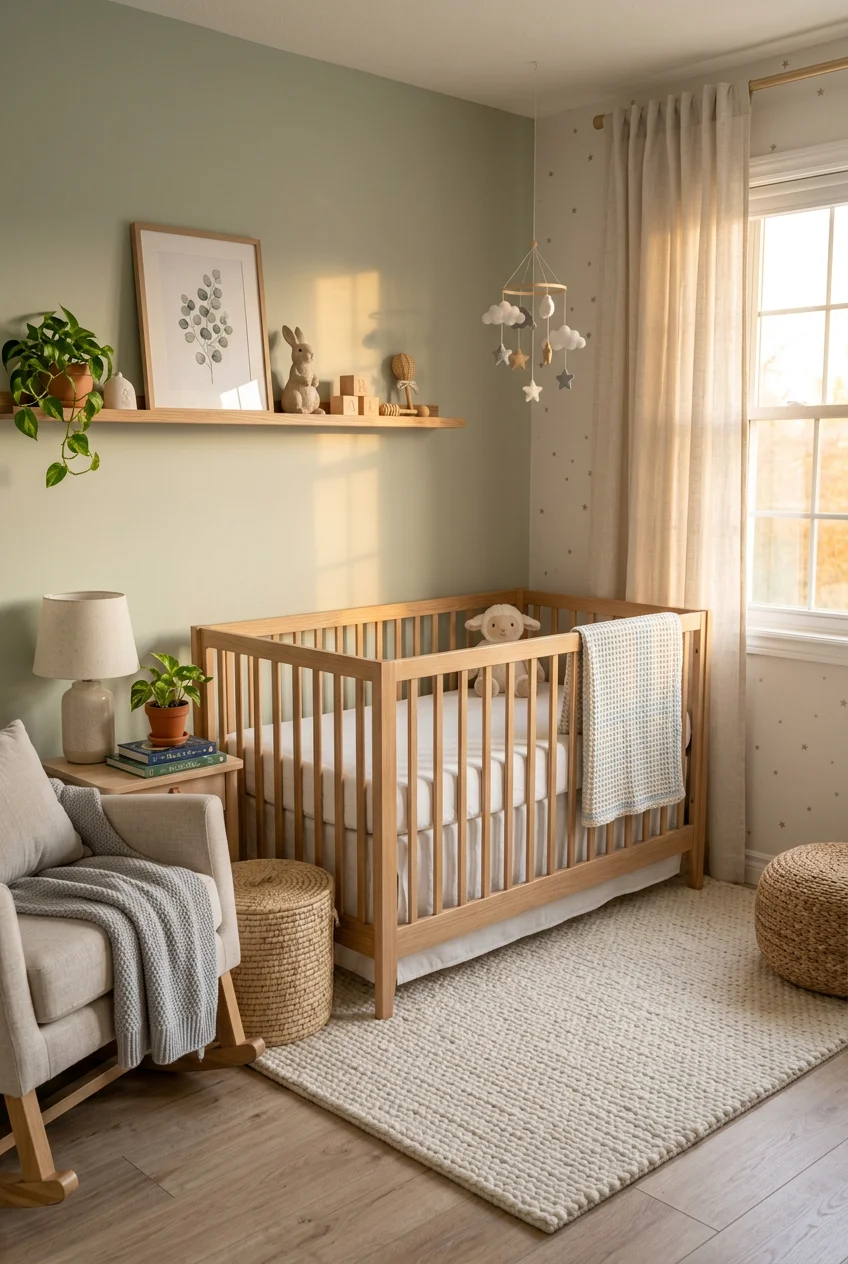
Trending nursery designs are moving away from hyper-stimulating, primary colors. The smartest approach is to embrace calm, neutral tones. Think muted sage, warm oat, soft clay, and terracotta. These colors create a serene backdrop that doesn’t overstimulate a tired baby. A soft sage green wall mimics the calming effect of nature. This also keeps the room from looking dated in two years. Add personality through textiles and art instead of a permanent mural. Best for: south-facing rooms with intense sunlight, as earthy tones absorb the glare. The catch: neutral rooms can look sterile if you don’t layer in at least three different textures, like chunky knits and woven blinds.

Modanais Baby Diaper Caddy Organizer Cart
Modanais Baby Diaper Caddy Organizer Cart – 3 Tier Rolling Storage Car punches above its price — 325 buyers rated it 4.5 stars. The kind of pick people reorder.
10. Focus on Biophilic Design and Natural Textures

Biophilic design brings nature inside to create a calming effect. Do this by ditching cheap plastic bins for raw wood, rattan, bamboo, and jute. Swap plastic hampers for woven seagrass baskets from The Container Store ($20 to $50). Add a safe, non-toxic houseplant like a snake plant or ZZ plant from Trader Joe’s on a high shelf. Just keep live plants out of reach so toddlers can’t dig in the soil. This adds visual warmth to a space that often feels like a plastic warehouse. The catch: seagrass and jute shed sharp fibers constantly. They also smell like dry hay during humid summer months.
11. Utilize the Ceiling for Visual Stimulation

Parents agonize over wall color, but they ignore the one surface the baby stares at most: the ceiling. A newborn spends most of their time on their back. Adding a subtle design element above the crib provides visual interest. Consider painting the ceiling a muted color or applying a low-contrast wallpaper. Even glow-in-the-dark stars spaced 12 inches apart give a baby something to focus on as they drift off. It draws the eye upward and makes 8-foot ceilings feel taller. The catch: peel-and-stick wallpaper on a ceiling is an exhausting, neck-straining job. It needs two people and massive patience to line up seams while fighting gravity.
12. Plan for Growth with Age-Proof Wall Decor

Committing to a character-driven nursery is a quick way to guarantee you’ll be redecorating in three years. Kids outgrow cartoon themes fast. I learned that the hard way. Instead, plan for growth with age-proof decor. Stick to classic patterns like stripes, botanical prints, or soft geometrics for wallpaper or curtains. Introduce childish themes through swappable items like framed art or decals. High-quality vinyl wall decals ($20 to $50 on Etsy) offer the impact of wallpaper without the commitment. Best for: renters who can’t paint walls or hang heavy art. The catch: large vinyl decals are finicky. They bubble, warp, and peel if your drywall has any texture.

Beautiful Wooden Baby Closet Dividers Set of 7
If you want something that just works, Beautiful Wooden Baby Closet Dividers Set of 7 – Double-Sided Organize is a safe bet (11 reviews, 4.5 stars).
13. Create a Top-Drawer Diaper Zone

A screaming baby at 3 AM doesn’t care about your matching bear curtains. They care about whether you can change them quickly. Creating a meticulously organized top-drawer diaper zone is the most functional upgrade you can make. Dedicate the entire top drawer to diapering essentials. Use rigid wooden or heavy acrylic drawer organizers ($15 to $30 at Target) to keep diapers, wipes, cream, and spare onesies upright. This lets you grab what you need with one hand in the dark. Measure your drawer carefully, aiming for organizers that are exactly 4 inches tall. The catch: rigid dividers lock you into a specific layout. When your baby graduates to bulkier overnight diapers, those sizes might not fit the compartments you set up.
14. Utilize Closet Organizers for Tiny Clothes

Baby clothes are tiny, but they multiply fast. Tossing dozens of onesies into a deep drawer turns into a tangled mess. Use your closet space efficiently by installing a second hanging rod about 36 inches below the main one. This doubles your hanging capacity. Buy wooden baby closet dividers ($10 to $20 at Walmart or Amazon) to sort clothes by size. This system prevents you from digging through piles of fabric when you’re exhausted. Best for: parents with tiny reach-in closets that lack shelving. The catch: hanging up tiny baby clothes takes more time than simply folding them into a drawer.
15. Blackout Solutions for Childcare Baby Room Nursery Room Ideas

If you want your baby to sleep past 5:30 AM during summer, you need a serious blackout solution. Standard blinds let light bleed through the sides. For a childcare baby room nursery room ideas hack, use a heavy-duty tension rod mounted inside the window frame, flush against the glass, combined with a blackout panel. Then, hang your decorative curtains on a standard rod outside the frame. This double-layer approach traps the light. A standard 84-inch blackout panel blocks the light while adding fabric texture. The catch: internal tension rods slip, lose grip, and crash if you pull the curtains too hard in the middle of the night.

Night Light for Kids, Baby Night Light with Sound Machine
Night Light for Kids punches above its price — 50 buyers rated it 4.5 stars. The kind of pick people reorder.
16. Invest in an App-Controlled Sound Machine

A quiet house is a baby’s worst enemy. The womb is loud, and a silent nursery means every floorboard creak will startle the baby. A sound machine is non-negotiable. The Hatch Rest ($60 to $90) is popular because the app lets you adjust volume and light color from the hallway without opening the door. Keep the machine at least 3 feet away from the crib, and set the volume to 50 decibels, like a gentle shower. Best for: noisy households with older siblings, thin walls, or pets. The catch: smart, app-controlled devices become useless bricks the second your home Wi-Fi drops or the company’s server goes down.
17. Deploy Oversized Floor Baskets for Toys

You’ll receive an avalanche of stuffed animals, bulky blankets, and plastic toys. Hard-sided toy boxes with heavy lids are dangerous for little fingers and take up too much space. Instead, use oversized, soft floor baskets. Thick cotton rope baskets from places like Costco or Target (under $30) hold a massive amount of gear while remaining safe for a toddler to crash into. Buy baskets at least 22 inches wide and 14 inches deep. They add texture and make cleanup as simple as tossing everything into a bucket from across the room. Best for: lazy cleanups when you don’t have the energy to organize shelves. The catch: deep, unstructured baskets turn into chaotic pits where small items disappear for months.
18. Switch to a Wipeable Minimalist Changing Pad

Traditional contoured changing pads require fabric covers. Those covers get ruined by blowouts, forcing you to wash them while holding a crying baby. Skip that and switch to a wipeable, minimalist pad. Products like the Keekaroo Peanut or the Skip Hop Wipeable Changing Pad ($80 to $150) are made from dense, impermeable foam. When a mess happens, you just wipe it clean with a baby wipe or damp cloth. No laundry required. They measure roughly 31 inches long. The catch: the rubbery material feels cold against a baby’s bare back, especially in winter, which will make a sleepy newborn flinch and cry.
How we chose these ideas: The selection process prioritized indoor air quality, safety, and realistic function over trends. Recommendations were filtered to highlight renter-friendly options, accessible prices, and materials that reduce the physical effort required during early parenthood.
Designing a nursery shouldn’t require a degree in architecture or a massive budget. Stick to the basics: control the lighting, manage air quality, and organize your diapering supplies so you don’t lose your mind at 3 AM. A calm, functional room serves you and your baby better than a chaotic, themed space. Pin this list of childcare baby room nursery room ideas to your planning board so you don’t forget the measurements and hardware requirements when you head to the store. It took me years to figure out that simplicity is the ultimate luxury, no exaggeration.
Frequently Asked Questions
What is the safest temperature for a baby nursery?
Experts recommend keeping the nursery between 68°F and 72°F to reduce the risk of SIDS. Use a dedicated digital indoor thermometer near the crib rather than relying on the main house thermostat.
Are low-VOC paints necessary for a nursery?
Yes. Standard paints release volatile organic compounds that degrade indoor air quality for months. Low-VOC or zero-VOC paints minimize chemical off-gassing, creating a much safer breathing environment for a newborn’s developing lungs.
How do I secure tall nursery furniture?
Use heavy-duty metal anti-tip brackets and steel cables. You must locate the wooden wall studs with a stud finder and drive a 2-inch screw directly into the wood. Drywall anchors alone won’t hold the weight.
What is the best way to block light in a baby room?
Layer your window treatments. Install a heavy-duty tension rod with a blackout panel flush against the window glass, and hang decorative curtains on an external rod to prevent light from bleeding through the sides.
