What’s Inside
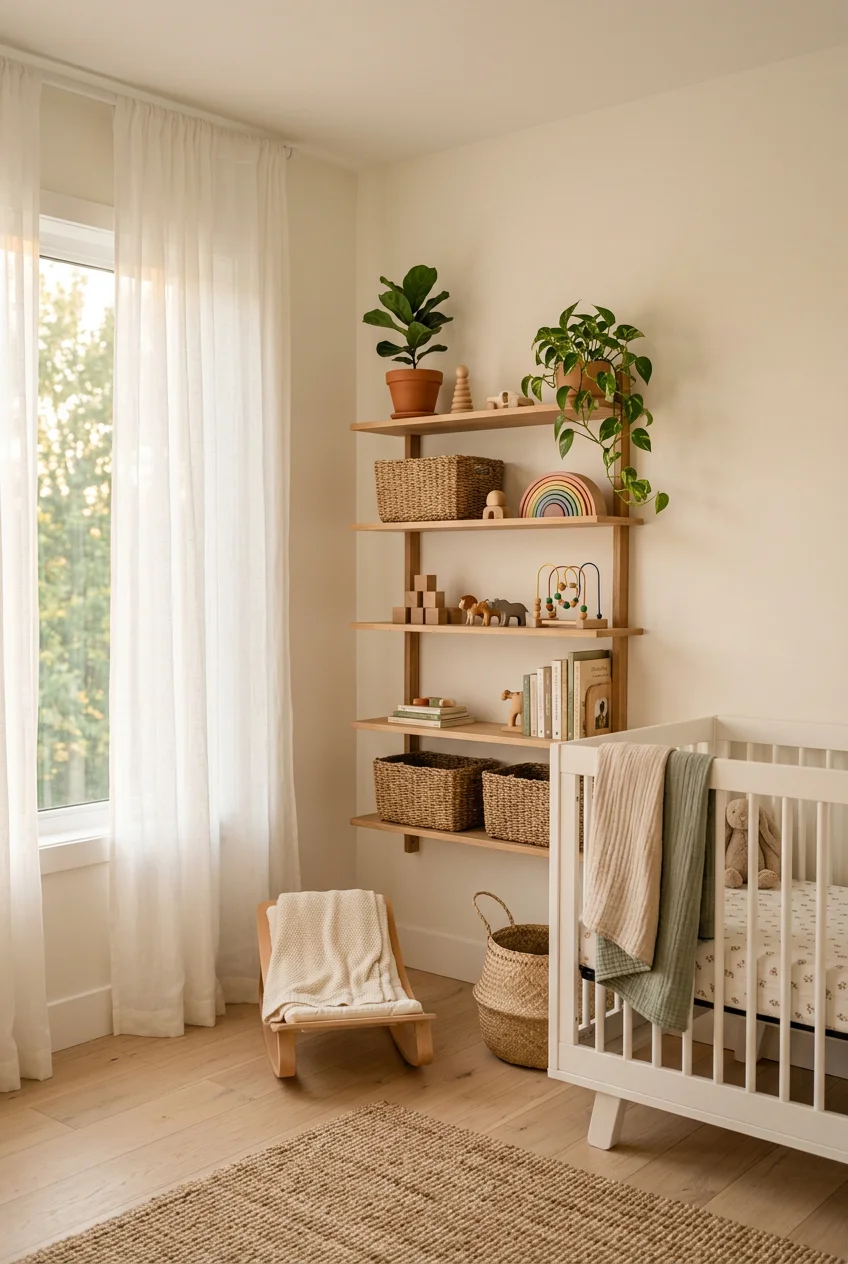
- Maximize Vertical Space With Wall-Mounted Shelving
- Implement Ideas Toys Baby Room Organization With A Rotation System
- Invest In Multi-Functional Dressers For Longevity
- Utilize Clear, Lidded Bins For Small Parts And Backstock
- Master Ideas Toys Baby Room Organization Using Modular Bins
- Master Drawer Dividers And File Folding Techniques
- Create A Mobile Diapering Station With A Utility Cart
- Label Everything Clearly And Consistently
- Utilize Under-Crib Storage For Bulk Items
- Incorporate Low, Open Shelving For Montessori Play
- Anchor All Furniture To The Wall Without Exception
- Implement An Outgrown And Next Size System
- Leverage Pegboards For Small Changing Accessories
- Choose Soft, Portable Baskets For Plush Toys
- Embrace Earthy Tones For A Calming Visual Aesthetic
- Layer Soft Lighting To Enhance Organization Zones
- Use Over-The-Door Organizers For Bulky Oddities
Most parents shove every stuffed animal into a giant bin and wonder why the nursery looks like a colorful explosion. Organizing a baby’s room takes strategy, not just buying more baskets. The visual clutter of primary-colored plastic creates a chaotic environment for you and the baby. I’ve seen too many beautifully painted rooms ruined by a lack of functional storage. Stacking boxes against a wall won’t fix the underlying issue of accessibility. If you only try one idea from this list, make it #2. Here’s why: rotating a small selection of toys changes the room from a messy storage unit to a functional, calm play space. It’s a total win. Trust me on this.
Skip this list if you’re looking for a sterile, magazine-cover aesthetic where absolutely no toys are visible. These strategies are for parents who actually want to use the room for daily play and need practical, accessible storage that still looks intentional. It won’t work if you refuse to drill holes in your walls for safety anchors. No exaggeration.
1. Maximize Vertical Space With Wall-Mounted Shelving

A common mistake is leaving the upper half of nursery walls blank while floor space gets swallowed up by bulky bins. Installing floating shelves above the changing table or crib keeps diapers, wipes, and board books within arm’s reach while saving square footage. The IKEA FLISAT wall storage, measuring exactly 70x9x16 cm, is a solid choice here. At typically under $25, it holds small board books facing out, which acts as functional wall art. You can find similar narrow ledge shelves at Target or Walmart if you don’t live near an IKEA. The trick is to mount them low enough to reach while keeping one hand on the baby, but high enough that a standing toddler can’t pull them down. Most people hang these way too high and wonder why the room feels off. I learned that the hard way. Best for: small dark rooms that need floor space cleared. The catch: these shelves require heavy-duty drywall anchors and precision leveling, which means patching holes later if you’re a renter.
2. Implement Ideas Toys Baby Room Organization With A Rotation System

Leaving every single toy out at once is a guaranteed way to overstimulate a baby. Instead, a strategic rotation system is one of the smartest techniques you can use. Keep a curated selection of 8 to 15 toys accessible on low shelves. Store the rest in opaque bins in a closet or under the crib. Every two weeks, swap them out. Reintroduced toys feel brand new to the child, which encourages more focused, engaged play rather than frantic bin-dumping. Use solid, non-transparent bins from places like The Container Store or Costco for the backstock so the baby can’t see what’s hidden. The visual calm this brings to a nursery is immediate. You aren’t constantly tripping over plastic blocks. Best for: homes with kids or pets where floor space is highly contested. The catch: it requires you to actively manage and remember to swap the inventory every couple of weeks, adding another chore to your weekend routine.
3. Invest In Multi-Functional Dressers For Longevity

Buying a standalone changing table is usually a waste of money and space. A much better approach is choosing furniture that serves dual purposes. A wide, sturdy dresser topped with a contoured changing pad gives you ample storage and a safe changing surface in one footprint. The Storkcraft Avalon 6 Drawer Universal Dresser, usually found in the mid-range budget category (typically under $350), offers enough surface area for a changing pad, a wipes dispenser, and a small basket for diaper creams. This setup grows with the child, easily transitioning from a nursery necessity to a standard toddler room dresser once diapers aren’t needed. Dressers from Pottery Barn Kids also offer this functionality, though at a steeper price point. Utilizing the top drawers for immediate diapering needs keeps you from bending down while holding a squirming infant. The catch: the top surface will inevitably get scratched or stained from diaper blowouts or spilled creams, so you’ll need a protective tray or mat underneath the pad.

Night Light for Kids, Baby Night Light with Sound Machine
Night Light for Kids is sturdier in person than the photos suggest — over 50 buyers gave it 4.5 stars.
4. Utilize Clear, Lidded Bins For Small Parts And Backstock

Tiny, categorized items like building blocks, wooden figurines, and backstock diaper packs need containment. Tossing them loosely into a drawer creates a chaotic mess. Using clear storage bins with secure lids for these specific items allows you to see exactly what you have without opening every container. The Posprica Foldable Storage Bins, typically around $20 to $30 for a set of four, are a versatile option for organizing the top shelf of a nursery closet. Being able to visually identify toys encourages communication skills when a toddler wants to play with a specific item and points to the box. You can grab similar clear bins in bulk from Costco. Clear bins are strictly for closets or cabinets, not open shelving, because seeing the clutter defeats the purpose of a calm aesthetic. Best for: highly organized parents who buy diapers and wipes in bulk. The catch: clear bins demand that the contents inside stay relatively neat; a jumbled mess of pacifiers and blocks looks terrible when visible through the plastic.
5. Master Ideas Toys Baby Room Organization Using Modular Bins

The IKEA TROFAST modular series is practically standard issue for a reason. Starting around $130 for basic combinations, this system uses sturdy wooden or plastic frames with sliding plastic bins of various depths. It’s a highly functional solution for separating different toy types. The low height enables children to safely access and put away their toys independently as they grow into the toddler stage. You can mix and match shallow bins for puzzles and deep bins for stuffed animals. It’s a pragmatic approach to keeping things sorted without needing perfectly arranged shelves. If you don’t have an IKEA nearby, Target offers a very similar modular bin organizer in their Pillowfort line. The bins slide out completely, so a child can take a whole bucket of blocks to the rug and slide it back when finished. The catch: the plastic bins look distinctly like playroom furniture, which can clash if you’re aiming for a highly sophisticated, traditional nursery aesthetic. You might also like: 18 Nursery Themes Boy Worth Trying
6. Master Drawer Dividers And File Folding Techniques

Tiny baby clothes are notoriously difficult to keep organized. Stacking them in a drawer means the bottom items never see the light of day, and the stack inevitably topples over. Combat this by using rigid drawer dividers or small fabric boxes within the dresser drawers. Organize clothes strictly by size and type. The real trick here is to roll, don’t fold, baby clothes. Rolling maximizes space and makes it incredibly easy to see all items at a glance. You can fit three times as many onesies in a drawer using the rolling method. Grab inexpensive spring-loaded bamboo dividers from Walmart to keep the rows of rolled clothes from migrating into each other when the drawer opens and closes. This saves precious time during frantic 3 AM diaper blowouts. Best for: Type-A organizers and small dressers. The catch: rolling tiny socks and mittens is tedious, and partners or babysitters rarely maintain the system when putting away laundry. You might also like: 16 Baby Room Wall Decor Worth Trying

Baby Sound Machine Baby Kids Night Light Projector with
Baby Sound Machine Baby Kids Night Light Projector with Star is sturdier in person than the photos suggest — over 790 buyers gave it 4.5 stars.
7. Create A Mobile Diapering Station With A Utility Cart

You won’t always want to walk back to the nursery for every single diaper change, especially in the early weeks. Assembling a rolling utility cart is a highly practical solution. The IKEA RÅSKOG cart, typically priced between $30 and $45, is perfectly sized to act as a mobile diapering station. Stock the top tier with diapers, wipes, and diaper cream. Use the middle tier for burp cloths and a change of clothes, and the bottom tier for a portable changing mat and extra swaddles. You can roll this cart from the nursery to the living room, ensuring you never have to leave your baby unattended on a sofa during a change. Target’s Brightroom brand makes an identical three-tier metal cart if you prefer to pick one up locally. It keeps the messy reality of baby care contained to one movable footprint. The catch: the open tiers gather dust quickly, and once the baby is mobile, they will pull everything off the bottom two shelves. You might also like: 15 Toddler Boy Room Ideas You Need to See
8. Label Everything Clearly And Consistently

Labeling isn’t just for aesthetics; it’s essential for functionality when multiple people are caring for a baby. Sleep-deprived parents, grandparents, and babysitters shouldn’t have to guess which opaque bin holds the size 3 diapers and which holds the winter hats. Use clear, high-contrast labels on all bins, baskets, and drawer dividers. You don’t need a fancy cutting machine; a basic label maker or even masking tape with a black sharpie works perfectly. Apply labels to the lip of the drawer or the front of the shelf if the bins themselves are textured fabric. Consistency is what makes this work. If one bin is labeled, they all need to be labeled. It removes the mental load of remembering where you stashed the infant Tylenol. Best for: households with multiple caregivers or nannies. The catch: as the baby’s needs change rapidly in the first year, you’ll be constantly peeling off and replacing labels, which can leave sticky residue on your nice acrylic bins.
9. Utilize Under-Crib Storage For Bulk Items

The space under the crib is prime real estate that usually just collects dust bunnies. It’s the perfect zone for storing bulk items like extra diaper boxes, seasonal clothing, or spare crib sheets. Measure the clearance height and width under your specific crib before buying anything. Most standard cribs offer exactly 6 to 10 inches of clearance. Look for shallow, long rolling bins made of rigid plastic that slide easily on carpet or hardwood. You can find these at Walmart or The Container Store marketed as under-bed shoe storage. Stashing the ugly, brightly colored bulk diaper boxes out of sight instantly improves the room’s feel. It keeps the closet free for everyday items and toys. When the baby outgrows the newborn clothes, vacuum-seal them and slide them right under the crib. The catch: if you lower the crib mattress as the baby grows and learns to stand, you will lose a significant portion of this vertical clearance, rendering your storage bins useless.

Modanais Baby Diaper Caddy Organizer Cart
A dependable everyday pick — Modanais Baby Diaper Caddy Organizer Cart – 3 Tier Rolling Cart with D pulls in 654 ratings at 4.5 stars. Not flashy, just solid.
10. Incorporate Low, Open Shelving For Montessori Play

The Montessori approach to nursery design focuses heavily on independence. Using low, open shelves for toy display allows children to easily choose and return their toys. These shelves should ideally be 1 to 2 feet high, placing the items directly at an infant’s or toddler’s eye level. Avoid the urge to pack these shelves full. Present fewer, well-organized options, leaving negative space between a wooden puzzle and a stacking ring. This prevents visual overstimulation and makes the choice obvious for the child. Heavy, solid wood shelves from brands like Sprout Kids or basic low bookcases from Target work well for this. The toys act as the decor, so choosing aesthetically pleasing, natural wood toys enhances the room’s design while serving a developmental purpose. It’s a methodical way to handle daily play without the room feeling like a chaotic daycare. The catch: open shelving requires daily, meticulous tidying; if you just throw the toys back on the shelf haphazardly, it looks incredibly messy.
11. Anchor All Furniture To The Wall Without Exception

A shocking number of people spend thousands on nursery furniture and skip the ten-dollar safety hardware. Anchoring all dressers, changing tables, and bookshelves to the wall using heavy-duty anti-tip kits is non-negotiable. Furniture tip-overs are a leading cause of nursery injuries, especially once a toddler learns to pull out drawers to use as a ladder. Every single piece of furniture taller than two feet needs to be secured directly into a wall stud. Furthermore, keep all cords, including the baby monitor wires and lamp cords, at least 3 feet away from the crib to prevent strangulation hazards. You can buy cord concealers at hardware stores to run wires safely along the baseboards. This isn’t just an organizing tip; it dictates where your furniture can actually be placed in the room. Best for: absolutely everyone. The catch: finding studs and drilling large anchor holes is intimidating for beginners, and renters will definitely have to patch and paint the drywall before moving out.
12. Implement An Outgrown And Next Size System

Babies grow out of clothes so fast that you’ll find yourself trying to squeeze a 6-month-old into a 3-month onesie simply because it’s still in the drawer. Maintain two clearly labeled baskets on the floor of the nursery closet: one for clothes your baby has outgrown, and another for the next size up. When you notice a sleeper is getting too tight, immediately toss it into the “Outgrown” basket. When that basket is full, tape it up in a box for storage or donation. Conversely, having the “Next Size” basket ready means you aren’t digging through plastic totes in the garage when the baby suddenly hits a growth spurt overnight. Simple woven rope baskets from Target or even sturdy cardboard boxes work perfectly for this. It keeps the main dresser drawers strictly dedicated to clothes that currently fit. The catch: this system takes up valuable floor space in the closet, which means less room for storing bulky gear like strollers or humidifiers.

Modanais Baby Diaper Caddy Organizer Cart
If you want something that just works, Modanais Baby Diaper Caddy Organizer Cart – 3 Tier Rolling Storage Car is a safe bet (325 reviews, 4.5 stars).
13. Leverage Pegboards For Small Changing Accessories

Tiny accessories like pacifiers, teething tubes, nail clippers, and hair clips get lost instantly in large dresser drawers. Utilizing a customizable pegboard system mounted directly next to the changing station keeps these small items visible and accessible. The IKEA SKÅDIS pegboard system is excellent for this. You can attach small acrylic cups, hooks, and bungee cords to hold tubes of diaper cream and thermometers. It utilizes dead wall space and keeps dangerous small items completely out of a toddler’s reach. If a pegboard feels too industrial, fabric wall pockets hung from a wooden dowel offer a softer look while providing the same vertical storage function. Keeping the diapering necessities on the wall leaves the dresser top clear for the changing pad and a wipe dispenser. The catch: pegboards can easily look cluttered and dorm-like if you overload them with too many mismatched items or brightly colored plastic accessories.
14. Choose Soft, Portable Baskets For Plush Toys

Stuffed animals are notoriously awkward to store. They don’t stack, they don’t fold, and they take up massive amounts of volume. Opt for lightweight, soft-textured baskets made from materials like woven cotton or seagrass for plush toys. The IKEA FLÅDIS seagrass baskets are a common choice because they are roomy, cheap, and easy to carry around the house. These soft baskets are ideal for toddlers who can easily toss toys in quickly for a fast cleanup, encouraging early independence. Unlike heavy wooden toy boxes with lids that can smash little fingers, soft baskets are entirely safe for a crawling baby to pull up on and dig through. You can find similar coiled rope baskets at Sprouts or Target in various neutral tones. They add incredible texture to the room’s design while hiding a mountain of neon stuffed animals. The catch: soft-sided baskets lose their shape over time, especially if a toddler decides to sit or climb on them, eventually looking slouchy and worn.
15. Embrace Earthy Tones For A Calming Visual Aesthetic

The bright, primary-color explosion is out. Trending heavily in 2026 is a mood-first design approach, favoring calming, earthy color palettes. Incorporating storage solutions in shades of warm mushroom, cocoa brown, sage green, and muted greige creates a serene environment. When selecting your bins, baskets, and shelving, stick strictly to this natural palette. A room filled with mismatched neon plastic bins feels chaotic, even if the toys are perfectly organized. By choosing storage containers in muted earth tones, the organization itself becomes part of the room’s calming decor. You can find excellent matte-finish storage crates in these colors at Walmart or The Container Store. This approach visually lowers the volume of the room, making it a soothing space for a baby to sleep and a pleasant space for you to sit in at 2 AM. Best for: parents sensitive to visual clutter. The catch: finding specific baby items and toys that fit this strict aesthetic is difficult, and you will inevitably be gifted brightly colored plastic toys that ruin the vibe.

Staryou Sensory Lights Baby Sound Machine Night Light
Staryou Sensory Lights Baby Sound Machine Night Light Projector Sensor has been one of the most consistently praised picks in this category. 920 reviewers averaged 4.5/5.
16. Layer Soft Lighting To Enhance Organization Zones

Proper organization is useless if you can’t see what you’re reaching for in the middle of the night, but flipping on a harsh overhead light will wake the baby completely. Layered lighting is critical for functional nursery organization. Use dimmable sconces near the changing table, a small table lamp with a warm 2700K bulb near the feeding chair, and a linen drum shade for the ceiling fixture. This allows you to illuminate only the zone you need. A small, battery-operated tap light placed directly inside the closet or the top drawer of the dresser is a highly effective way to find a clean onesie in the dark without disturbing the room’s calm atmosphere. You can buy multi-packs of these LED tap lights at Costco or hardware stores. It makes the organized systems you’ve built actually usable during night shifts. The catch: relying on battery-operated tap lights means you will constantly be swapping out AA batteries, which is an annoying recurring expense and chore.
17. Use Over-The-Door Organizers For Bulky Oddities

The back of the nursery door or the inside of the closet door is entirely wasted space. Hanging a heavy-duty, over-the-door shoe organizer with clear pockets is a highly efficient way to store bulky oddities that don’t fold well. Use the pockets for rolled swaddles, tubes of lotion, infant shoes, and extra wipes. Because the pockets are clear, you can take inventory with a single glance. It frees up an entire dresser drawer’s worth of space. Look for organizers with sturdy metal hooks that fit snugly over the door frame so it doesn’t bang against the wood every time you open it. The Container Store sells high-quality versions that won’t sag under the weight of heavy lotion bottles. It’s an inexpensive way to add vertical storage without drilling a single hole. Best for: renters who can’t install permanent shelving or pegboards. The catch: if your nursery door stays open most of the day, the organizer is fully visible from the hallway, creating significant visual clutter in your home.
How we chose these ideas: We selected these organization strategies by prioritizing renter-friendliness, overall cost, daily effort required to maintain the systems, and the visual impact on the nursery’s design. The focus was on practical, accessible storage solutions that accommodate a growing child’s rapidly changing needs.
Setting up a nursery shouldn’t feel like stocking a warehouse. By focusing on vertical space, strategic rotation, and multi-functional furniture, you create a room that serves both you and your baby beautifully. Pin this list to your nursery planning board so you have these exact measurements and strategies handy when it’s time to start organizing.
Frequently Asked Questions
How many toys should be out in a baby room?
Keep a curated selection of 8 to 15 toys accessible at any given time. Store the rest in opaque bins and rotate them every few weeks to prevent overstimulation and keep the child engaged.
What is the best way to store small nursery items?
Use clear, lidded bins for closet storage so you can easily identify contents. For changing table accessories, use a wall-mounted pegboard or drawer dividers to keep tiny items like pacifiers and clippers separated.
How do I organize baby clothes in a dresser?
Use rigid drawer dividers to separate items by size and type. Roll the clothes instead of folding them; this maximizes space and allows you to see every item at a glance without toppling stacks.
What is a toy rotation system?
A toy rotation system involves displaying only a small fraction of a child’s toys while hiding the rest. Swapping the available toys bi-weekly makes old toys feel new again, encouraging focused play and reducing room clutter.
