What’s Inside
- Embrace Soft Botanical Girl Nursery Ideas
- Layer “Soft Luxury” and Vintage Storybook Elements
- Invest in a Certified Non-Toxic Crib Mattress
- Prioritize Convertible Furniture for the Long Haul
- Anchor Every Single Piece of Heavy Furniture
- Install Layered, Dimmable Lighting
- Maximize Space with Smart Dresser Storage
- Avoid Overstimulating Decor in Girl Nursery Ideas
- Choose a Tech-Friendly Swivel Glider
- Stick to Low-VOC Paints for Better Air Quality
- Hang True Blackout Curtains for Daytime Naps
- Utilize Vertical Space with Wall-Mounted Shelving
- Keep the Crib Completely Bare
- Regulate Temperature with a Smart Thermostat
- Run a HEPA and Carbon Air Purifier
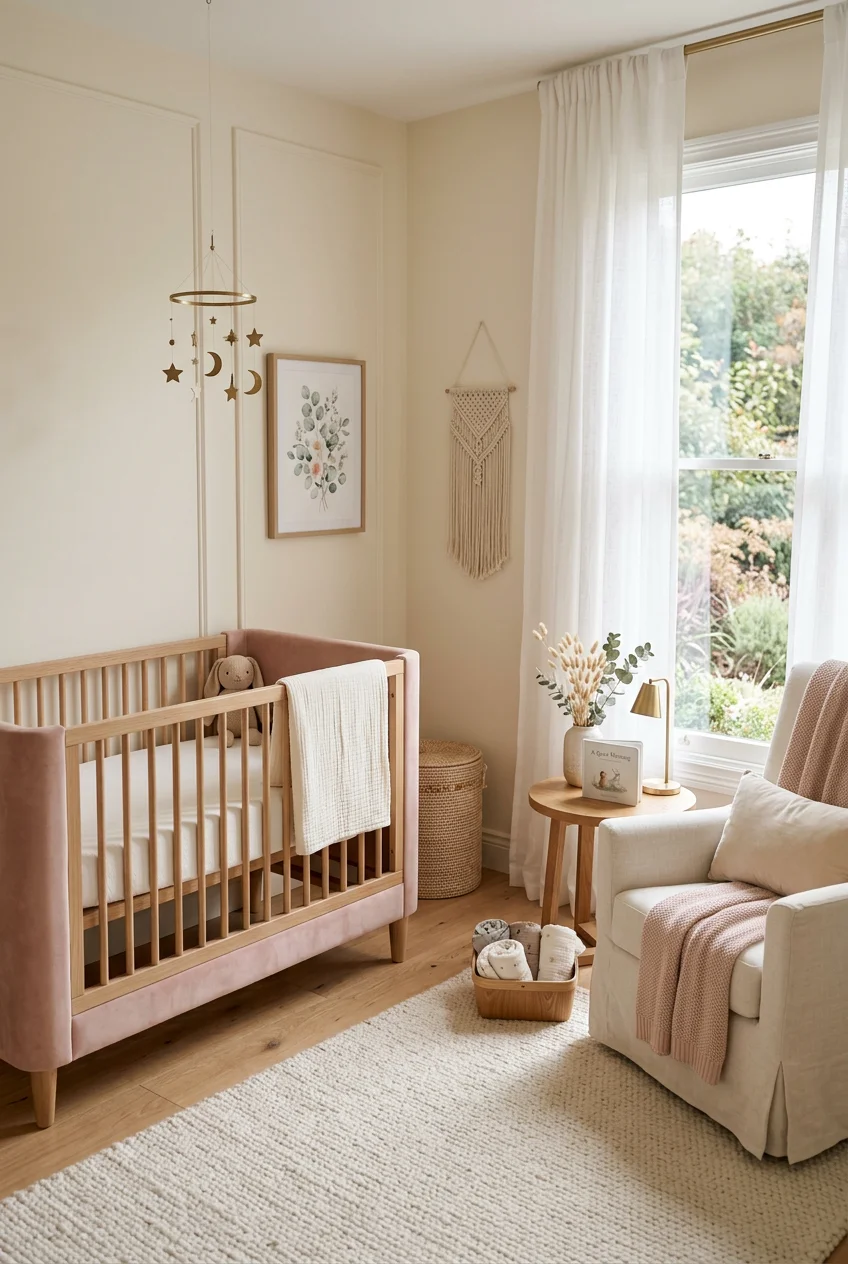
Most folks paint the walls bright bubblegum pink, buy a massive plush unicorn, and wonder why the room feels chaotic before the baby even arrives. When you’re searching for girl nursery ideas, the biggest mistake is designing for a photo instead of a functional, sleep-inducing environment. You need a space that works at 3 AM when you’re exhausted, not just a room that looks cute in daylight. From non-toxic mattresses to blackout solutions, the details matter far more than the color of the crib sheets. If you only try one idea from this list, make it #6. Layered, dimmable lighting prevents you from blinding yourself and your baby during midnight feedings. Here’s why. Trust me on this.
Skip this if: You’re looking for hyper-minimalist, stark white, modern museum aesthetics. This list focuses on warmth, safety, and practical functionality over sterile showroom looks. If you don’t want any color or texture in the room, these approaches won’t fit your vision.
1. Embrace Soft Botanical Girl Nursery Ideas

Soft botanical themes are replacing the loud, oversized floral walls of the past few years. You want gentle leaf prints and muted palettes like sage green, warm cream, and blush pink. A botanical wallpaper mural works beautifully as a single accent wall behind the crib. CostaCover offers excellent peel-and-stick options that range from budget to mid-range pricing, depending on the square footage. Keep the remaining three walls a solid, neutral cream to prevent the pattern from overwhelming the small space. The visual texture of soft leaves adds depth without feeling busy. You can pull the sage green out of the wallpaper and match it to your crib sheets or a textured throw blanket draped over the rocking chair. Best for: Renters who need removable decor options.
The catch: Peel-and-stick wallpaper can start peeling at the corners if the room gets too humid, so you’ll need to press the edges down occasionally. I learned that the hard way.
2. Layer “Soft Luxury” and Vintage Storybook Elements

If botanicals aren’t your style, the “soft luxury” hotel-inspired look or a vintage storybook theme brings a quiet elegance to the room. To get that storybook feel, hang soft watercolor prints featuring woodland creatures in simple wooden frames. You can usually find affordable, vintage-looking brass or wood frames at Target in the home decor aisles. Pair these illustrations with antique white or soft ivory furniture to anchor the room. The goal is a space that feels collected over time rather than bought in a single matching set. Add a thick, cream-colored wool rug to soften the floor and absorb sound. The contrast between the antique white wood and the soft watercolor pastels creates a very calm, grounded environment.
The catch: Antique white furniture shows dust and tiny fingerprints much faster than natural wood tones, requiring more frequent wipe-downs.
3. Invest in a Certified Non-Toxic Crib Mattress

You’re going to spend a lot of time thinking about the crib’s design, but the mattress matters significantly more. Babies spend up to 16 hours a day sleeping, and traditional foam mattresses often off-gas volatile organic compounds (VOCs). You need a mattress made from organic cotton, wool, or natural latex. Brands like Naturepedic, Avocado Eco, and Newton Baby offer Greenguard Gold certified options, ensuring low chemical emissions. You can expect to pay between $200 and $400+ for a high-quality organic crib mattress. It’s a steep upfront cost, but you’re paying for breathable materials and peace of mind. You can balance the budget by picking up simple organic cotton fitted sheets at Whole Foods or local natural markets instead of buying overpriced boutique bedding.
The catch: True organic mattresses with metal innersprings are incredibly heavy, making middle-of-the-night sheet changes a physical workout.

Beautiful Wooden Baby Closet Dividers Set of 7
Beautiful Wooden Baby Closet Dividers Set of 7 – Double-Sided Organize punches above its price — 11 buyers rated it 4.5 stars. I would buy it again.
4. Prioritize Convertible Furniture for the Long Haul

Buying a standalone bassinet, then a crib, then a toddler bed is a massive waste of money. You’ll get far more value by choosing convertible cribs that transform as your child grows. The Babyletto Hudson 3-in-1 Convertible Crib sits in the $300 to $500 range and remains a solid choice. It’s made from sustainable New Zealand pinewood and features four adjustable mattress height options, which saves your back during those early months. Stokke also makes heirloom pieces like the Sleepi crib, which expands from a mini bassinet to a full-sized crib and junior bed, though it sits at a higher price tier (often around £400 or more). Choosing a convertible option means the main focal point of the room stays consistent for at least four years.
The catch: The conversion kits (the toddler rail and full bed rails) are almost always sold separately, meaning you’ll have another expense down the road.
5. Anchor Every Single Piece of Heavy Furniture

This isn’t a design choice. It’s a non-negotiable safety requirement. Once babies start pulling themselves up and climbing, an unanchored dresser or bookshelf becomes a severe hazard. You must anchor all heavy furniture to the wall studs using heavy-duty anti-tip kits. Don’t rely on the flimsy plastic zip-ties that come free in the furniture box. Head to Home Depot or Lowe’s and buy metal bracket anti-tip kits for a few dollars. Install them on the dresser, the changing table, and any tall shelving units. Even if the dresser feels heavy and stable to you, a thirty-pound toddler pulling out all the top drawers shifts the center of gravity entirely. Best for: Homes with active toddlers or large pets.
The catch: You’ll have to drill significant holes into your drywall and studs, which means patching and painting whenever you decide to rearrange the room.
6. Install Layered, Dimmable Lighting

Relying on a single, bright overhead light is a massive mistake. When you walk in for a 2 AM feeding, flipping that switch will jolt both you and the baby fully awake. You need layered lighting. Install dimmable LED ceiling lights for daytime play, add wall sconces for a softer evening glow, and place a small floor or table lamp right next to your rocking chair. Education expert Karen Aronian recommends warm LED bulbs for reading, feeding, or lullabies. A dimmer switch is essential for keeping the room barely illuminated during night wake-ups. The soft pool of light from a table lamp provides just enough visibility to change a diaper without signaling to the baby that it’s time to start the day. It took me years to figure out that lighting is everything. You might also like: 18 Baby Girl Room Decorating Ideas for Every Budget
The catch: Hardwiring wall sconces requires hiring an electrician, which adds a noticeable bump to your overall room budget.

Criusia Over the Door Organizer
A dependable everyday pick — Criusia Over the Door Organizer pulls in 247 ratings at 4.5 stars. Not flashy, just solid.
7. Maximize Space with Smart Dresser Storage

Babies come with a ridiculous amount of tiny gear. Tiny socks, tiny hats, and dozens of swaddles that easily turn into a chaotic mess inside a drawer. Smart storage is crucial. Skip the standalone changing table and use a sturdy dresser with deep drawers instead. The DaVinci Jayden 3-Drawer Changer Dresser runs around $200 to $300 and doubles perfectly as a changing station once you add a contoured pad on top. To keep the inside functional, use bamboo drawer dividers to categorize clothes by age and type. You can often find great deals on multi-packs of bamboo organizers at Costco. Roll the onesies and file them vertically so you can see every single item without digging through a stack.
The catch: A 3-drawer dresser fills up incredibly fast once your baby hits the 12-month clothing sizes, which are much bulkier than newborn items.
8. Avoid Overstimulating Decor in Girl Nursery Ideas

While bold, saturated colors are trending heavily in adult spaces, too much visual noise in a nursery makes it difficult for a baby to wind down. You want to avoid painting the walls neon pink or hanging high-contrast geometric wallpaper right next to the crib. Stick to soothing, muted tones like sage, peach, dove grey, or oatmeal for the main palette. Use colorful accents sparingly—perhaps a vibrant mobile or a few bright books on a display shelf. The goal is to create a calm environment that signals rest. A dove grey wall with cream curtains provides a soft, visually quiet backdrop that won’t overstimulate a tired infant fighting a nap. Best for: Small dark rooms, as muted, lighter tones help the space feel open.
The catch: Muted, low-contrast rooms can look washed out and flat in photographs if you don’t incorporate enough varying textures like linen, wool, and wood.
9. Choose a Tech-Friendly Swivel Glider

You’ll spend hundreds of hours in the nursery chair. Don’t buy a vintage wooden rocker just because it looks cute. Your back won’t survive it. You need a comfortable, supportive glider. Interior design expert Rachel Blindauer suggests the Babyletto Kiwi Swivel Glider Recliner (typically around $899). It features a modern silhouette, smooth swiveling, and built-in USB charging ports. That charging port is crucial when you’re trapped under a sleeping baby and your phone is at two percent. The electronic recline function lets you adjust your leg elevation silently, which matters when you’re trying not to wake the infant resting on your chest. Look for performance fabrics that wipe clean easily after the inevitable spit-up incidents. You might also like: 16 Toddler Corner In Living Room That Actually Work
The catch: Motorized recliners must be placed near an electrical outlet, which strictly limits your furniture layout options in a smaller room.

Criusia Drawer Organizer Clothes
Criusia Drawer Organizer Clothes has been one of the most consistently praised picks in this category. 11 reviewers averaged 4.5/5.
10. Stick to Low-VOC Paints for Better Air Quality

Fresh paint smells toxic because it often is. Standard paints release Volatile Organic Compounds (VOCs) into the air for months after drying. For a healthier breathing environment, you must select paints with low or zero VOCs. The Martha Stewart Living paint collection offers low-VOC options in over 280 shades, so you don’t have to sacrifice your color palette for safety. When painting, open the windows and run a fan to ventilate the space thoroughly. Make sure you also check the finishes on any painted furniture you bring into the room. The fewer chemicals off-gassing into the nursery, the better the indoor air quality will be for your baby’s developing lungs. You might also like: 18 Toddler Princess Room That Actually Work
The catch: Low-VOC and zero-VOC paints often lack the heavy binders of traditional paints, meaning you’ll likely need to roll on an extra coat for full, even coverage.
11. Hang True Blackout Curtains for Daytime Naps

A dark room is the secret to a baby who actually naps during the day. Don’t settle for “room darkening” panels. You need true blackout curtains. They help regulate your baby’s circadian rhythm by blocking out the harsh afternoon sun. Hanging floor-to-ceiling, wall-to-wall curtains also adds a massive amount of texture and makes the ceiling feel taller. You can find highly effective, budget-friendly blackout options at Walmart. To stop light from bleeding out the top and sides, mount the curtain rod high and wide, extending past the window frame. For total darkness, layer the blackout curtains over a fitted blackout cellular shade mounted inside the window frame.
The catch: True blackout fabric is incredibly heavy, requiring you to mount heavy-duty curtain rods directly into the wall studs so they don’t rip out of the drywall.
12. Utilize Vertical Space with Wall-Mounted Shelving

Floor space disappears quickly once you add a crib, a dresser, and a glider. To maximize storage in smaller nurseries, you have to use your vertical space. Mount sturdy floating shelves high on the walls to display books, small framed art, and wooden toys. Install a row of wooden wall pegs near the door to hang wet towels, jackets, or tomorrow’s outfit. A leaning wall ladder is also a stylish, minimal way to hang and display swaddle blankets without taking up any footprint. Keeping items off the floor makes the room feel significantly larger and prevents you from tripping over baskets in the dark. Best for: Tight budgets, as shelving is much cheaper than buying a second dresser.
The catch: Open shelving demands constant tidying. If you just throw random items up there, the entire room instantly feels cluttered and messy.

Baby Closet Divider, Baby Wardrobe Organizer
Baby Closet Divider has been one of the most consistently praised picks in this category. 371 reviewers averaged 4.5/5.
13. Keep the Crib Completely Bare

It’s tempting to fill the crib with matching bumpers, a thick quilt, and a dozen stuffed animals to make it look cozy. Don’t do it. The American Academy of Pediatrics (AAP) strictly recommends keeping the crib entirely bare. You need a firm mattress and a tight-fitting sheet. That’s it. No pillows, no blankets, no plush toys, and absolutely no crib bumpers. These items drastically increase the risk of SIDS and suffocation. If you’re worried about the baby getting cold, use a wearable sleep sack instead of a loose blanket. The minimalist look of a bare crib might feel stark at first, but it’s the only safe way for an infant to sleep. No exaggeration.
The catch: A completely bare crib looks a bit empty and less “Pinterest-perfect” in wide room photographs, but aesthetics can’t compete with safety.
14. Regulate Temperature with a Smart Thermostat

Temperature control is a highly overlooked part of nursery design. The ideal room temperature to reduce the risk of SIDS is between 68 and 72 degrees Fahrenheit (20–22 degrees Celsius). If the nursery is located over a garage or at the end of an HVAC run, it might be significantly hotter or colder than the rest of the house. A smart thermostat system with remote temperature sensors, like those installed by BriteBox Electrical Services, solves this. You place the small sensor on a shelf in the nursery, and the system adjusts the home’s HVAC based on the baby’s room temperature, not the hallway temperature. Best for: Older homes with drafty windows or uneven heating.
The catch: Remote sensors rely on your home network, meaning they can lose connection and default to the main thermostat if your Wi-Fi is spotty in the nursery.
15. Run a HEPA and Carbon Air Purifier

Even if you buy low-VOC paint and organic sheets, new furniture and carpets still introduce dust and minor chemical odors into the room. A continuous-running air purifier is a quiet, highly effective solution. You need a unit that contains both a True HEPA filter for dust and dander, and an active carbon filter to trap gaseous VOCs and odors. Brands like Coway, Molekule, and IQAir offer robust models that handle both particles and smells. Place it across the room from the crib. As a bonus, the steady hum of the fan acts as an excellent white noise machine, helping to muffle household sounds while the baby sleeps.
The catch: You have to budget for replacement HEPA and carbon filters every six to eight months, which adds a recurring maintenance cost.
How we chose these ideas: We selected these specific approaches based on a mix of strict safety guidelines (like AAP sleep rules), renter-friendliness, and practical daily effort. We prioritized functional storage and non-toxic materials over purely aesthetic trends that don’t hold up to actual parenting demands.
Designing a nursery shouldn’t feel like a stressful geometry problem. Focus on the big three: a safe sleep space, comfortable seating for you, and a dark, temperature-controlled environment. Get the lighting right, anchor the heavy stuff, and let the soft botanical or vintage elements add the charm. Save this list or pin it to your nursery board so you have these exact measurements and safety rules handy when you’re standing in the paint aisle.

SNSLXH 5 Pack Stackable Closet Storage Basket
Honestly, SNSLXH 5 Pack Stackable Closet Storage Basket surprised me — sturdier than it looks in the photos, and over 41 buyers gave it 4.5 stars.
Frequently Asked Questions
What are the most popular colors for a girl nursery?
Soft, muted tones are currently leading the trends. Think sage green, warm cream, dove grey, and blush peach. These colors prevent visual overstimulation while providing a calm, grounded environment for sleep.
How can I make my nursery safer for my baby?
Always anchor heavy furniture to the wall studs, use a firm, non-toxic crib mattress, and keep the crib completely bare. Avoid bumpers, pillows, and loose blankets to adhere to AAP safe sleep guidelines.
Are convertible cribs worth the extra money?
Yes, convertible cribs provide excellent long-term value. They transform from a standard crib into a toddler bed and daybed, meaning you won’t need to purchase a new bed frame for at least four years.
Do I really need blackout curtains in the nursery?
True blackout curtains are highly recommended. They block harsh sunlight during the day, helping to regulate your baby’s circadian rhythm and making daytime naps significantly easier to manage.
