What’s Inside
- Embrace Earthy, Grounded Color Palettes
- Try Color Drenching for a Cocooning Effect
- Invest in GREENGUARD Gold Certified Furniture
- Opt for Convertible Cribs for Longevity
- Layer Textures to Add Depth and Warmth
- Avoid Overly Bright Hues as Primary Colors
- Choose a Fully Washable Crib Mattress
- Incorporate Natural Light Wood Finishes
- Don’t Commit Too Hard to a Specific Theme
- Utilize a Mobile Diaper Station
- Hang Mirrors at Baby’s Shoulder Height
- Prioritize Safety by Anchoring Everything
- Use Zero-VOC Paints for the Walls
- Add Greenery for a Fresh, Organic Look
- Consider a Humidifier as Functional Decor
- Use Strategic Lighting in a Gender Neutral Nursery
Most folks design a gender neutral nursery by painting everything stark white and buying matching gray furniture. They end up with a room that feels like a pediatrician’s waiting area. A truly inviting space relies on warmth, texture, and smart layering, not an absence of color. You want a room that feels grounded, smells like fresh wood rather than chemical paint, and sounds muffled thanks to heavy textiles. Designing for a baby doesn’t mean ditching your own style. If you only try one idea here, make it #2. Color drenching fixes that sterile-box problem instantly and makes budget furniture look custom. Trust me on this.
Skip this list if you want a highly traditional, heavily themed space. If your vision involves crystal chandeliers, floor-to-ceiling pink tulle, or literal cartoon character murals on every wall, these strategies won’t work for you. This guide focuses on adaptable, earthy, and modern aesthetics.
1. Embrace Earthy, Grounded Color Palettes

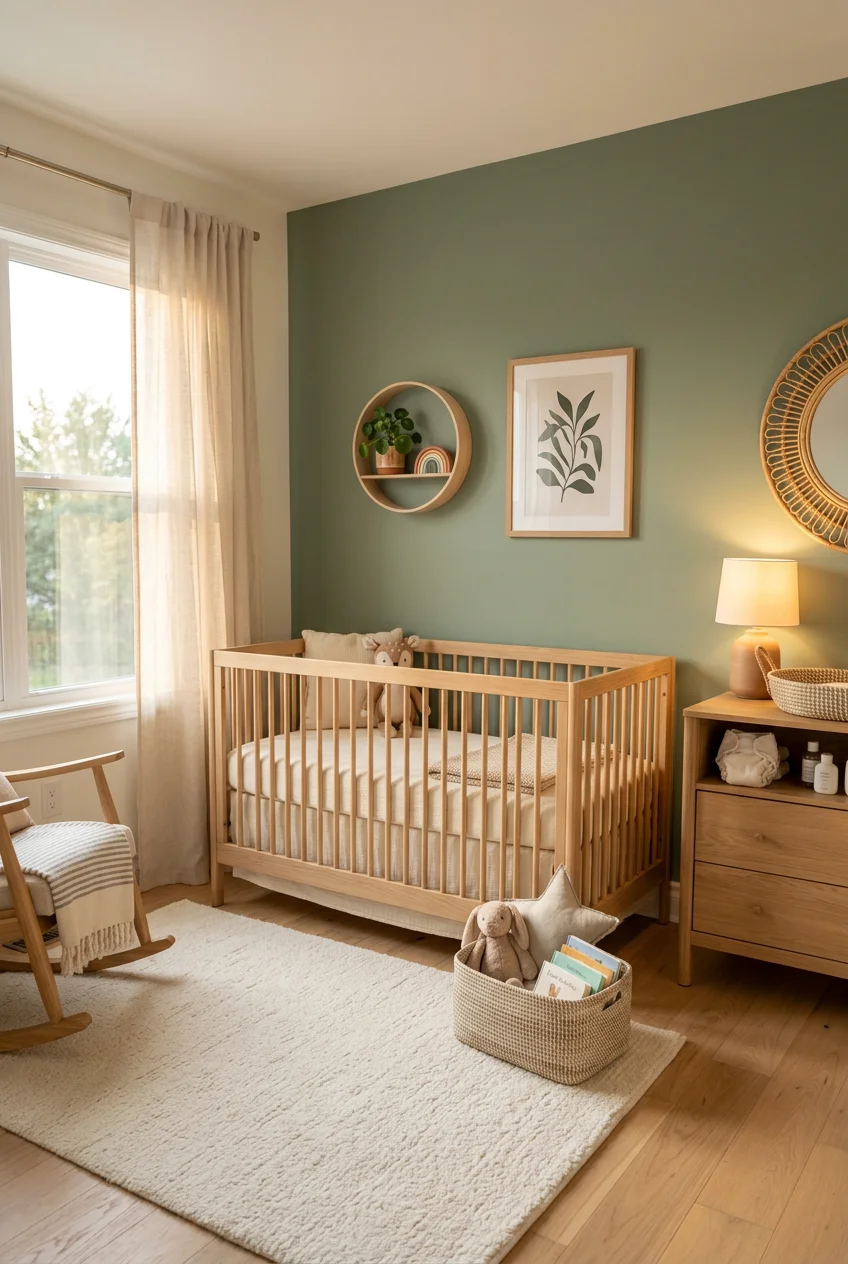
Ditch the cold, clinical grays and traditional pastel yellows for richer, warmer neutrals. Trending shades include soft sage green, warm stone, mushroom, muted terracotta, and dusty clay. These colors mimic the outdoors and provide a calming backdrop for late-night rocking. Consider specific paint colors like Benjamin Moore’s Saybrook Sage HC-114 or Sherwin-Williams’ Creamy SW 7012. You get a chalky, matte finish that absorbs harsh light rather than reflecting it into a tired baby’s eyes. Premium paints in these lines typically run in the mid-to-high price range per gallon, but the pigment depth is better than cheap hardware store mixes. Most people default to bright white and wonder why the room feels so hostile at 3 AM. A muddy, earthy tone fixes that instantly.
Best for: rooms with south-facing windows that get plenty of natural light.
The catch: Sage green and mushroom tones pull heavily gray on cloudy days, making the room look a bit gloomy if you lack adequate artificial lighting.
2. Try Color Drenching for a Cocooning Effect

A highly effective technique involves painting all four walls, the ceiling, the baseboards, and the door frames in the exact same calming tone. This is color drenching. By using a shade like Benjamin Moore’s Indian River 985 across every surface, you create an immersive, restful environment. The eye has nowhere to catch on contrasting white trim, making the room feel quieter and more contained. It feels like stepping into a warm, soft box. Many people leave ceilings white out of habit, which chops the room in half visually. Painting the ceiling draws the eye up and blurs the hard edges of the architecture.
Best for: small dark rooms where you want to lean into the coziness rather than fighting the lack of light.
The catch: Painting the ceiling means serious neck strain, and covering the doors and trim requires at least three times the standard paint volume you originally budgeted for.
3. Invest in GREENGUARD Gold Certified Furniture

Prioritize indoor air quality by choosing furniture tested for over 10,000 chemicals and volatile organic compounds. You know that sharp, headache-inducing smell when you open a cheap new dresser? That’s formaldehyde off-gassing into your baby’s sleeping space. Brands like Babyletto, DaVinci, and Namesake offer a wide range of cribs and dressers that meet the GREENGUARD Gold standard. You can find options ranging from budget-friendly to premium price points. This certification ensures a healthier breathing environment, which matters when a newborn spends up to sixteen hours a day sleeping in that room.
Best for: tight budgets, specifically the DaVinci line which offers certified safety without the boutique markup.
The catch: Furniture with this strict certification still arrives flat-packed, and the assembly process is notoriously brutal with confusing hardware instructions. I learned that the hard way.

Criusia Over the Door Organizer
Criusia Over the Door Organizer punches above its price — 247 buyers rated it 4.5 stars. I would buy it again.
4. Opt for Convertible Cribs for Longevity

Select a crib that transitions from a standard infant bed to a toddler bed, and eventually to a full-size bed. The Babyletto Hudson 3-in-1 Convertible Crib or the DaVinci Jenny Lind Crib are popular choices that offer both clean aesthetics and long-term value. These typically range from budget to mid-range pricing. A convertible crib anchors the room for years, meaning you won’t be scrambling to buy new furniture the second your child climbs over the rails. The solid construction feels heavy and secure, and the modern spindle designs fit perfectly into a gender neutral nursery.
The catch: Brands almost always sell the toddler bed conversion rails separately, and they’re frequently out of stock by the time you actually need them two years later.
5. Layer Textures to Add Depth and Warmth

If your color palette is strictly neutral, you must introduce visual interest through varied, heavy textures. Think a nubby bouclé nursing chair, a draped linen canopy over a reading nook, a chunky knit cotton blanket, a rough woven jute rug, or stiff rattan storage baskets. You can source great textured pieces from West Elm or find budget-friendly rattan bins at Target. This layering prevents the room from feeling flat and lifeless. Running your hand across a smooth wooden crib, then a soft linen curtain, then a textured rug gives the room a sophisticated, tactile richness that flat drywall can’t provide. You might also like: 20 Clever Daycare Nursery Room Ideas You Can Try Today
The catch: Natural jute rugs shed rough, dusty fibers constantly for the first six months, which sticks to crawling babies and requires daily vacuuming. You might also like: 16 Purple Nursery Ideas Worth Trying
6. Avoid Overly Bright Hues as Primary Colors

A massive mistake is using electric blues, super dark tones, or bright primary reds on the walls or large furniture. These high-contrast colors overstimulate babies when they should be winding down. They also age terribly as design trends shift. Instead, use soft, muted tones for the walls, curtains, and large rugs. Reserve those brighter, punchier colors for small, easily changeable accents like spine-out books on an acrylic ledge or a plush toy. A muted room feels like a deep breath, whereas a primary-colored room feels like an active playroom. You might also like: 15 Beautiful Baby Room Organization Ideas You Haven’t Thought Of
Best for: overstimulated babies who struggle to settle down for naps in bright environments.
The catch: Muted, earthy color palettes show milky spit-up and general dirt much faster than busy, brightly colored patterns do.

Beautiful Wooden Baby Closet Dividers Set of 7
A dependable everyday pick — Beautiful Wooden Baby Closet Dividers Set of 7 – Double-Sided Organize pulls in 11 ratings at 4.5 stars. Not flashy, just solid.
7. Choose a Fully Washable Crib Mattress

For practical reasons, select a 100 percent washable crib mattress, from the outer cover all the way down to the core. Models offered by Newton Baby feature a breathable, woven polymer core that looks like a giant block of dry ramen noodles. You can literally put the core in the shower and rinse it off. These sit in the premium price tier, but they eliminate the lingering sour milk smell that plagues traditional foam mattresses. The breathable texture also provides peace of mind when your baby inevitably decides they only want to sleep face-down.
The catch: The mattress itself is surprisingly heavy and rigid, making it awkward to wrestle the tight cover back onto it after a middle-of-the-night blowout.
8. Incorporate Natural Light Wood Finishes

Natural wood furniture, especially in lighter hues like ash, birch, or white oak, enhances a room’s airy atmosphere. You can find solid birch options at IKEA (like the Sniglar line) for a budget price, or browse Crate & Kids for mid-range statement pieces. Light wood prevents the room from feeling heavy or cavernous. It pairs beautifully with earthy green palettes and provides a timeless foundation. The visual warmth of real wood grain brings an organic element indoors, making the space feel less like a plastic baby zone and more like a stylish extension of your home.
The catch: Mixing different wood furniture pieces looks incredibly messy if you don’t carefully match the warm or cool undertones of the stains.
9. Don’t Commit Too Hard to a Specific Theme

While themes like woodland creatures, outer space, or safari animals are popular, avoid building the entire room around a single, literal concept. Buying the matching bedding, curtains, and rug set makes the room look like a catalog showroom from 2005. Instead, keep major elements like furniture and wall colors timeless. Introduce your theme through easily swappable accessories like art prints, a hanging mobile, or a few throw cushions. This approach allows the room to mature gracefully.
The catch: Curating individual, non-matching pieces takes significantly more time and mental energy than just buying a pre-packaged nursery set in a bag.

Baby Closet Divider, Baby Wardrobe Organizer
A dependable everyday pick — Baby Closet Divider pulls in 371 ratings at 4.5 stars. Not flashy, just solid.
10. Utilize a Mobile Diaper Station

A highly actionable trick is to repurpose a metal utility cart, bar cart, or craft cart as a mobile diaper station. You can find excellent metal rolling carts at Walmart or Target for a budget-friendly price. This allows you to easily roll essential supplies—diapers, wipes, heavy creams—to wherever you need them. You hear the smooth roll of the wheels and have everything at arm’s reach, whether you’re by the changing table or dragging it into your own bedroom for the first few weeks. It keeps the actual dresser top clear of clutter.
Best for: multi-story homes where you frequently need to move supplies downstairs during the day.
The catch: Cheap utility carts often feature rigid plastic casters that will absolutely scratch soft hardwood floors over time.
11. Hang Mirrors at Baby’s Shoulder Height

For developmental stimulation, place a shatterproof acrylic mirror at a height where your baby can actually see their reflection while lying on their back or doing tummy time. Most people hang art and mirrors way too high and wonder why the room feels off-balance. Babies love looking at themselves, and a low mirror reflects light across the floor, making the room feel larger. You can usually find baby-safe acrylic mirrors in the budget price range. It adds a dynamic, interactive element to an otherwise static wall.
The catch: You will spend five minutes every single day wiping greasy, milky handprints off the smudged acrylic surface.
12. Prioritize Safety by Anchoring Everything

A critical mistake is neglecting to anchor heavy furniture to the wall. People skip this step because newborns don’t move, forgetting that babies start pulling themselves up on dresser drawers around eight months. Every dresser, bookshelf, and heavy floor lamp needs a wall anchor. Ensure all cords from blinds or curtains are tied safely out of reach. A beautifully designed room means nothing if a 50-pound dresser can tip forward. The hardware usually comes included with the furniture, so there’s no excuse to skip it.
The catch: Proper heavy-duty anchors require drilling directly into structural studs, which leaves massive holes in your drywall when you eventually rearrange the room.

Criusia Drawer Organizer Clothes
Criusia Drawer Organizer Clothes has been one of the most consistently praised picks in this category. 11 reviewers averaged 4.5/5.
13. Use Zero-VOC Paints for the Walls

When painting the nursery, strictly opt for paints labeled zero-VOC from specialty brands like Little Green or Little Knights. Standard paints release harmful chemical emissions for months after drying. Zero-VOC options minimize this off-gassing, creating a much safer breathing environment for a newborn’s developing lungs. You won’t get that harsh, chemical headache smell that usually lingers for weeks. Always allow ample time for the paint to cure completely and ventilate the room thoroughly by leaving windows open before the baby ever sleeps there.
Best for: older homes with poor ventilation or families with sensitive sleepers.
The catch: Zero-VOC paint formulas tend to have much thinner coverage than traditional paints, meaning you almost always have to buy and apply an extra coat.
14. Add Greenery for a Fresh, Organic Look

Incorporate indoor plants to bring life and softness to the space. You can pick up affordable, baby-safe potted plants at Trader Joe’s or Whole Foods during your weekly grocery run. Place them high up on floating shelves, completely out of reach. The organic shapes of the leaves break up the rigid, straight lines of cribs and dressers. If you lack a green thumb, a hand-drawn foliage pattern wallpaper creates a serene, botanical backdrop without feeling overly theme-y or cartoonish.
The catch: Real plants inevitably drop dead leaves onto the floor, which a crawling baby will immediately find and try to put in their mouth.
15. Consider a Humidifier as Functional Decor

Especially for winter babies or those living in dry climates, a humidifier prevents stuffy noses and helps keep the air hydrated. Modern humidifiers actually look like sleek vases or minimalist sculptures rather than bulky medical equipment. Many models offer a soft amber nightlight function, adding a warm glow to the room’s ambiance. You hear the soft, rhythmic hum of the motor and see the cool mist falling, which acts as a natural white noise machine during naps.
The catch: If you don’t use expensive distilled water and scrub the internal tank weekly, the machine quickly turns into a mold-spraying hazard.
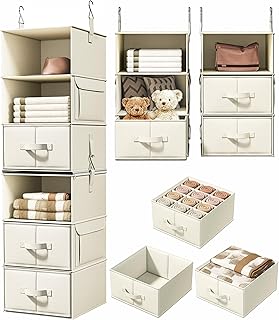
Vailando 6-Shelf Hanging Closet Organizer with 3 Drawers
A dependable everyday pick — Vailando 6-Shelf Hanging Closet Organizer with 3 Drawers pulls in 35 ratings at 4.5 stars. Not flashy, just solid.
16. Use Strategic Lighting in a Gender Neutral Nursery

Harsh overhead lighting ruins the vibe of any room. In a nursery, it’s painful during a 2 AM feeding. Install dimmer switches on the main lights, and layer the room with multiple soft light sources. Use a floor lamp with a linen shade in the corner, and a small, low-wattage amber bulb on the changing table. You want pools of warm, soft light rather than a single blinding bulb in the center of the ceiling. You can easily find budget-friendly smart bulbs to control the dimness from your phone while stuck under a sleeping infant.
The catch: Smart bulbs that connect to your phone constantly disconnect from the Wi-Fi right when you desperately need to turn them off. Took me years to figure out why this happens.
How we chose these ideas: We evaluated these design strategies based on renter-friendliness, overall visual impact, and realistic budget constraints. The selections focus on adaptable items that require minimal structural changes while offering the highest design return.
A gender neutral nursery doesn’t have to be a boring, colorless box. By leaning into rich textures, earthy paints, and smart lighting, you create a space that feels intentional and calming. It’s a room that works just as well for a newborn as it will for a toddler a few years down the line. Pin these ideas for your own mood board, and don’t be afraid to skip the traditional pastels. No exaggeration, your back will thank you for the smart layout.
Frequently Asked Questions
What colors are best for a gender neutral nursery?
Warm, earthy neutrals are currently the best choice. Instead of stark white or cold gray, opt for soft sage green, warm stone, mushroom, or dusty clay. These shades provide a calming environment that won’t overstimulate your baby.
How do I make a neutral nursery look interesting?
Focus heavily on layering textures. Combine a nubby bouclé chair, a chunky knit blanket, linen curtains, and a woven jute rug. Mixing these tactile elements prevents a neutral room from feeling flat or sterile.
Is color drenching a good idea for a baby’s room?
Yes, color drenching (painting walls, trim, and ceiling the same color) creates a highly soothing, cocoon-like environment. It stops the eye from catching on contrasting trim, which helps the space feel quieter and more contained.
What kind of furniture works best in a gender neutral space?
Natural light wood finishes, like ash or birch, work perfectly. Pair them with a convertible crib that transitions into a toddler bed. Always prioritize GREENGUARD Gold certified pieces to minimize chemical off-gassing in the room.
