What’s Inside
- Embrace Muted & Warm Floral Color Palettes for 2026 Trends
- Opt for Peel-and-Stick Floral Wallpaper for a Statement Wall
- Prioritize Organic Cotton Crib Bedding with Subtle Floral Prints
- Install a Statement Floral Light Fixture (Safely)
- Curate a Gallery Wall with Muted Floral Art Prints
- Choose Future-Proof Furniture in Natural Materials
- Implement Smart, Multi-Purpose Storage Solutions
- Layer Textures with a Soft, Floral-Inspired Rug
- Avoid the Common Mistake of Over-Theming
- Prioritize Safety: Anchor Furniture and Conceal Cords
- Incorporate Vintage Finds for Unique Character
- Use Non-Toxic, Low-VOC Paints
- Add Dimension with 3D Floral Wall Decor
- Design for Longevity: Future-Proof the Nursery
- Create a Cozy Reading Nook with a Floral Touch
- Select Blackout Curtains with a Soft Floral Motif
- Organize the Closet with Floral Dividers
I spent three months and $400 trying to hand-paint a floral nursery mural for my oldest daughter. It ended up looking like a melted strawberry ice cream cone. I’m not an artist. I learned that the hard way. When you’re designing a floral nursery, you don’t need to reinvent the wheel or spend your weekends covered in pink acrylic paint. You just need a solid plan and a few pieces that do the heavy lifting for you. I’ve designed dozens of nurseries since that first disaster. Today, I’m sharing what works, what to skip, and how to put together a room that feels soft, functional, and actually safe for a newborn.
1. Embrace Muted & Warm Floral Color Palettes for 2026 Trends

Let’s start with the foundation. Bright, aggressive pinks are out. They reflect harsh light and make a small room feel chaotic. Instead, go for muted blush, warm taupe, sand, or sage green. These shades absorb light and create a quiet atmosphere. I recently used Little Green paint in Sage Green for a client’s base wall. It’s $115 a gallon. It’s pricey, but the coverage is thick enough that you only need two coats. The finish feels like velvet. If you’re pairing this with floral accents, the green acts as a natural backdrop, just like stems in a garden. I tried standard bright white once. It made the floral prints look cheap. Stick to creamy whites or warm neutrals for the trim. It’s a small shift that completely changes how the room feels at 3 AM when you’re rocking a crying baby.
2. Opt for Peel-and-Stick Floral Wallpaper for a Statement Wall

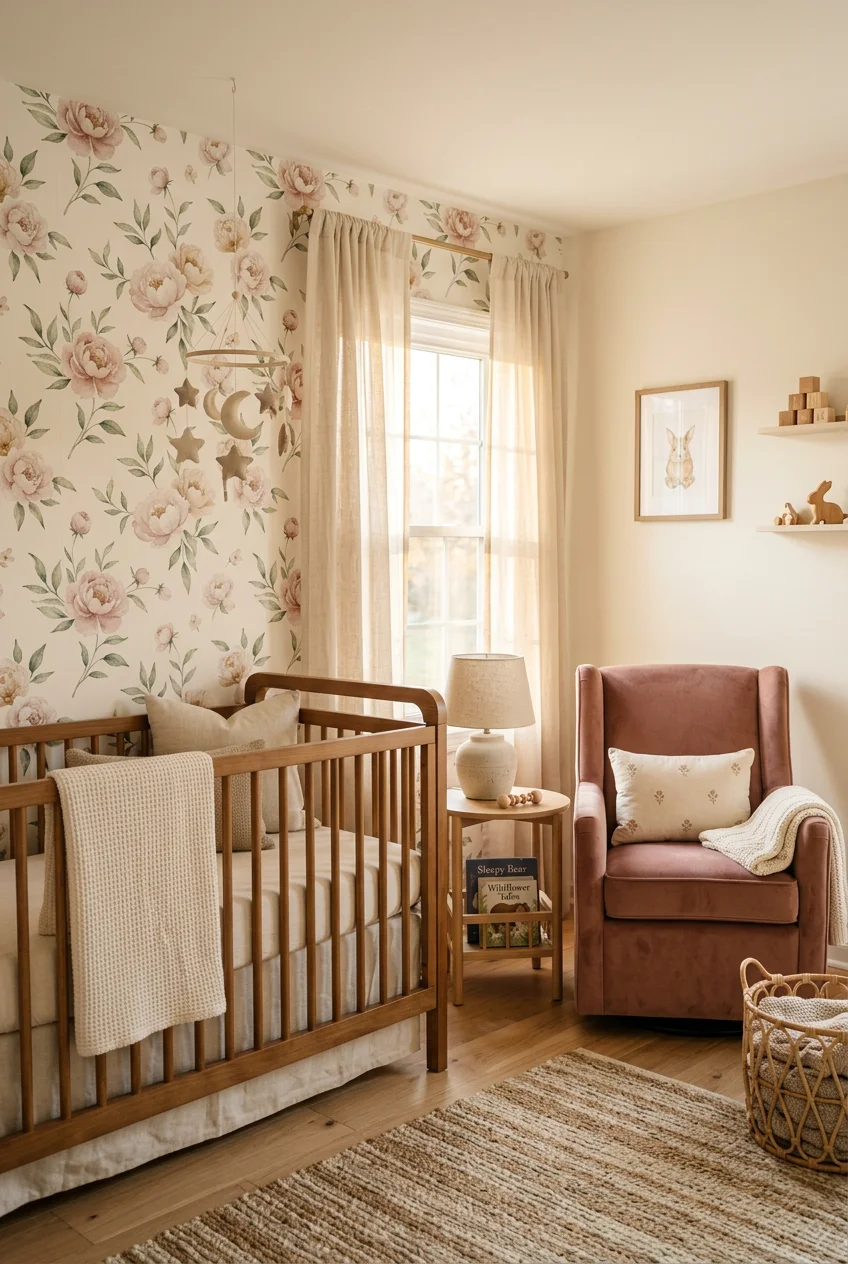
Instead of painting a mural, use removable peel-and-stick floral wallpaper. It creates a massive focal point behind the crib without the permanent commitment. I used Hovia’s Evelina Pink pattern last October. It costs $150 per roll. The paper has a thick, vinyl-like texture that doesn’t tear when you inevitably have to pull it off the wall to realign a crooked seam. I bought a cheap $6.99 plastic wallpaper smoother at Target. It made the installation take two hours instead of five. Brands like Love vs. Design and Caden Lane also make excellent non-toxic, low-VOC options. The downside? If your walls have heavy orange peel texture, it won’t adhere properly. I learned this in a 1970s house and had to skim-coat the entire wall first. If your walls are smooth, it’s a straightforward weekend project that anchors the room.
3. Prioritize Organic Cotton Crib Bedding with Subtle Floral Prints

Your baby spends the majority of their first year asleep. The crib sheet material actually matters. I recommend organic cotton because standard synthetic blends often trap heat and cause night sweats. The Peanutshell makes a Wildflower 4 Piece Organic Cotton Baby Crib Bedding Set for $59.99. It features small flower petals and wildflowers in muted pink and mint. If you don’t want a full set, Oilo Studio sells a Dainty Floral Crib Sheet for $38. It’s made from organic cotton jersey in peach and pink tones and fits a standard 52-inch by 28-inch crib mattress perfectly. The elastic on the Oilo sheet wraps entirely around the bottom edge. Not just the corners. I bought cheap generic sheets for my first baby, and they shrank two inches in the wash. Spend the extra twenty dollars on a quality organic sheet. It holds up to weekly hot water washes without losing its shape or fading.

Beautiful Wooden Baby Closet Dividers Set of 7
Honestly, Beautiful Wooden Baby Closet Dividers Set of 7 – Double-Sided Organize surprised me — sturdier than it looks in the photos, and over 11 buyers gave it 4.5 stars.
4. Install a Statement Floral Light Fixture (Safely)

Lighting dictates the mood. A standard flush mount dome light casts harsh shadows, but a floral chandelier adds a soft, diffused glow. Pottery Barn Kids sells the Grace Flower Chandelier for $299. It features 30 textured glass flowers and leaves on an antique gold frame. If you have a larger budget, the LoveShackFancy Bouquet Chandelier runs around $399 and features detailed ceramic blooms. If a ceiling fixture isn’t an option, Little Crown Interiors recommends something smaller, like a Blossom Lamp for a side table, usually around $120. I highly recommend hiring an electrician for heavy ceiling fixtures. I tried to install a nursery chandelier myself last spring and tripped the breaker for half my upstairs. DIY electrical work isn’t worth the stress. Also, insist on a dimmer switch. You’ll want very low light during 2 AM feedings. A dimmer keeps the room dim enough to keep the baby sleepy, but bright enough that you won’t trip over the rocking chair.
5. Curate a Gallery Wall with Muted Floral Art Prints

Hanging one giant piece of art can make a nursery feel like a hotel lobby. Instead, curate a gallery wall with three to five framed floral prints above the dresser. Artfully Walls is my go-to. They sell high-quality prints in blush, cream, sage, and muted peach tones for about $25 each. The paper has a thick, matte texture that doesn’t glare under overhead lighting. If you’re on a tighter budget, Etsy has thousands of digital downloads for custom wildflower prints or name signs. You can buy a file for $5 to $20, print it at a local shop, and frame it yourself. I recently bought a set of five 8×10 natural wood frames at Walmart for $12.48 each. The wood grain warms up the muted floral tones beautifully. Just make sure you use acrylic glazing instead of heavy glass for any frames hanging near the crib. If an earthquake or a slammed door knocks it down, acrylic won’t shatter into dangerous shards. You might also like: 16 Nursery Paint Colors for Every Budget
6. Choose Future-Proof Furniture in Natural Materials

Nursery furniture is a major investment. Avoid pieces that look overly juvenile. A bright pink painted dresser might seem cute now, but your daughter won’t want it when she’s eight. Natural wood cribs and rattan-front dressers provide warmth and an organic texture that balances out a floral theme. The Babyletto Hudson 3-in-1 Convertible Crib in Washed Natural costs $499 and transitions into a toddler bed later. I sometimes find incredible deals on high-quality natural wood furniture bundles at Costco, saving hundreds compared to boutique stores. When selecting a dresser, look for soft-closing drawers. I learned this when my toddler slammed her fingers in a cheap vintage dresser. Modern dressers designed for kids also have built-in stops so the drawers resist being pulled out entirely. Pair a natural white oak dresser with brass floral knobs to tie the room together without committing to a permanently themed piece of furniture.

Criusia Drawer Organizer Clothes
Honestly, Criusia Drawer Organizer Clothes surprised me — sturdier than it looks in the photos, and over 11 buyers gave it 4.5 stars.
7. Implement Smart, Multi-Purpose Storage Solutions

Babies require an alarming amount of plastic gear. Without good storage, a peaceful floral room quickly turns into a cluttered mess. You need a mix of closed drawers for ugly items and open bins for daily essentials. I use the Delta Children 4-Pocket Hanging Wall Organizer, which costs about $11.29 at Walmart. It hangs on the back of the closet door and holds all the tiny socks and burp cloths that usually get lost. For visible storage, Sweet Jojo Designs makes a Watercolor Floral Fabric Storage Bin for $41.99. It fits perfectly into standard cube shelves. I also buy personalized cotton rope baskets on Etsy for $30 to $70. They hold their shape well and are soft enough that a crawling baby won’t get hurt bumping into them. I used to use rigid wicker baskets for toys, but they shed sharp splinters onto the carpet. Stick to soft fabric or thick rope bins for anything placed on the floor.
8. Layer Textures with a Soft, Floral-Inspired Rug

A rug defines the space and gives you a comfortable spot to sit on the floor during tummy time. In a floral room, you have two choices: a subtle floral pattern or a complementary solid color like sage green or dusty peach. I prefer washable rugs made from natural fibers like cotton or jute. The Ruggable Kamran Hazel rug costs $219 for a 5×7 size and features a distressed, vintage-inspired floral motif. The top layer peels off and goes straight into your washing machine. Last month, my toddler spilled a full cup of grape juice directly onto a cream-colored Ruggable in a client’s nursery. I panicked, but it washed right out on a cold cycle. Thick wool rugs feel nicer underfoot, but they are incredibly difficult to clean when diaper blowouts happen. A low-pile washable rug layered over a thick felt rug pad gives you the best of both worlds. You might also like: 20 Lovely Space Saving Small Nursery Ideas for Every Budget
9. Avoid the Common Mistake of Over-Theming

It’s easy to get carried away when you’re nesting. A common mistake is going overboard with one single theme. If you have floral wallpaper, floral curtains, a floral rug, and floral sheets, the room is going to feel busy and claustrophobic. My very first design client bought floral everything. When I walked into the room, it looked like a botanical greenhouse had exploded. It wasn’t relaxing at all. To fix it, we had to strip out half the patterns and replace them with solid, grounding textures. The rule of thumb is to incorporate florals through two or three key elements. If you choose a bold floral wallpaper, pair it with solid sage curtains and a plain textured rug. You want the floral elements to stand out, and they can’t do that if they’re competing with ten other patterns. You might also like: 20 Toddler And Baby Shared Room That Actually Work
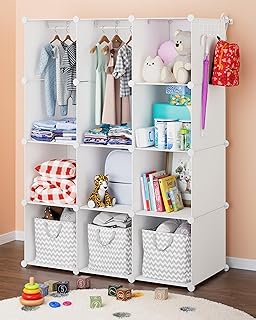
CUBEDIY Baby Closet Organizer for Nursery: Durable Baby
If you want something that just works, CUBEDIY Baby Closet Organizer for Nursery: Durable Baby Wardrobe for C is a safe bet (316 reviews, 4.5 stars).
10. Prioritize Safety: Anchor Furniture and Conceal Cords

Safety isn’t the most glamorous part of nursery design, but it requires your attention. You must anchor all heavy furniture to the wall. Dressers and bookshelves are severe tipping hazards once your baby starts pulling up to stand. I use Safety 1st Furniture Wall Straps, which cost about $14.99 for a pack at Target or Amazon. They take ten minutes to install with a power drill. You also need to address cord management. Conceal electrical cords from monitors, sound machines, and lamps to eliminate strangulation risks. I buy hard plastic cord covers for $12 that adhere directly to the baseboards, hiding the wires completely. Also, pay attention to window treatments. Ensure all blind and curtain cords are safely out of reach, or better yet, opt for cordless cellular shades. I once walked into a nursery where the baby monitor cord was dangling directly into the crib. We moved the camera to a wall mount six feet away that same afternoon. Don’t skip these steps.
11. Incorporate Vintage Finds for Unique Character

If you buy everything brand new from a big box store, the nursery can end up looking like a catalog showroom. It lacks personality. Morgan Hutchinson, the founder of BURU, recommends searching estate sales or local antique shops for unique items. Adding just one vintage piece gives the room a grounded, timeless feel. Last year, I found a beautiful vintage wooden rocking horse with hand-painted floral details at an estate sale for $45. I cleaned it up and placed it in the corner of a modern nursery, and it instantly became the focal point. You can also look for small antique side tables to place next to the glider, or a vintage brass mirror to hang above the changing station. Vintage pieces are often built with solid hardwood and dovetail joints, making them far more durable than modern flat-pack furniture. Plus, hunting for these items is usually much more budget-friendly than buying a high-end designer piece brand new.
12. Use Non-Toxic, Low-VOC Paints

If you decide to paint the walls or a piece of furniture, you have to use baby-safe, VOC-free paint. Standard interior paints release volatile organic compounds into the air for months after they dry, which can irritate a newborn’s developing lungs. Brands like Little Green or Little Knights formulate paints specifically without these harsh chemicals. Even with zero-VOC paint, it’s highly advisable to complete any painting or wallpapering at least eight weeks before your due date. This gives the room plenty of time to off-gas and air out. Before I paint, I always wash the walls down. I grabbed a 16-ounce bottle of natural all-purpose cleaner from Sprouts for $4.99 last week to prep a room. Wiping down the drywall removes dust and oils, ensuring the paint adheres properly. Don’t rush the prep work, and don’t paint the room the week before your scheduled induction. Give the space time to settle.

Criusia Over the Door Organizer
A dependable everyday pick — Criusia Over the Door Organizer pulls in 231 ratings at 4.5 stars. Not flashy, just solid.
13. Add Dimension with 3D Floral Wall Decor

If you want a highly textured look without committing to wallpaper, consider adding lightweight 3D foam or paper flowers to the wall above the crib. It adds immediate visual interest and casts beautiful, soft shadows in the afternoon light. You can buy pre-made sets of large paper flowers on Etsy for about $45. They usually come with heavy-duty double-sided tape for easy installation. I arranged a cluster of five oversized blush and cream paper roses in a client’s nursery last spring, and it looked stunning. However, I have to share a practical negative. These 3D flowers are massive dust catchers. Because they have dozens of paper petals, dust settles into the crevices within a few weeks. You can’t wipe them with a damp cloth or they’ll warp. I found that gently running a dry Swiffer duster over them once a week keeps them clean, but it’s an extra chore you need to be prepared for.
14. Design for Longevity: Future-Proof the Nursery

Naomi Coe, the founder of Little Crown Interiors, advises designing a nursery that can grow with your child, rather than building a room just for the first two years. This means avoiding infant-specific decor that feels too juvenile. A baby girl floral nursery should feel elegant, not cartoonish. Choose adaptable furniture. A standard changing table becomes useless when your child is potty trained. Instead, buy a high-quality dresser and secure a removable changing tray to the top. The West Elm Kids Mid-Century Dresser costs $799 and looks sophisticated enough for a teenager’s room. When the diaper days are over, you simply unscrew the tray, and you have a beautiful piece of long-term furniture. I bought a cheap, flimsy changing table for my first apartment, and I ended up hauling it to the dump two years later because it couldn’t be repurposed. Spend your money on core pieces that will last a decade, and use inexpensive accessories for the baby phase.
15. Create a Cozy Reading Nook with a Floral Touch

You’re going to spend hundreds of hours sitting in this room, so you need a designated, comfortable space for reading and bonding. Don’t skimp on the rocking chair. A cheap wooden rocker will destroy your back during cluster feeding. I highly recommend the Babyletto Kiwi Electronic Power Recliner and Swivel Glider. It costs $799 and has a built-in USB port, which is crucial for charging your phone during endless contact naps. I pair a neutral glider with a soft floral throw blanket to tie it into the room’s theme. Target sells a beautiful woven floral throw for $25 that drapes perfectly over the back of a chair. Next to the glider, install a small, low-profile bookshelf to display pink and purple children’s books. This creates an inviting corner that looks intentional. I used to just stack books on the floor, and I was constantly tripping over them in the dark.

JolyWell Night Light for Kids
A dependable everyday pick — JolyWell Night Light for Kids pulls in 51 ratings at 4.5 stars. Not flashy, just solid.
16. Select Blackout Curtains with a Soft Floral Motif

A beautiful nursery is useless if your baby won’t sleep in it. Blackout curtains are an absolute necessity. Standard unlined curtains let in too much morning sunlight, which will wake your baby up at 5:00 AM. Pottery Barn Kids makes the Evelyn Floral Blackout Curtains for $89 per panel. They feature a very subtle, muted floral vine pattern and have a thick, heavy lining that blocks 100 percent of outside light. They also help insulate the window, keeping the room warmer in winter and cooler in summer. I bought cheap, unlined pink curtains for my first nursery because I liked the color. I spent the next six months taping black trash bags over the window glass every night just to get my daughter to sleep past dawn. It looked terrible from the street. Invest in proper, heavy-duty blackout panels from the start. Hang the curtain rod high and wide above the window frame to make the ceilings look taller.
17. Organize the Closet with Floral Dividers

The final detail that pulls a floral nursery together is closet organization. Baby clothes are tiny and notoriously difficult to keep sorted by size. Wooden closet dividers are a brilliant, inexpensive solution. You can find sets of laser-engraved wooden floral closet dividers on Etsy for about $18. They slip right onto the closet rod and separate the clothes by age: newborn, 0-3 months, 3-6 months, and so on. It keeps the closet looking visually cohesive and stops you from accidentally packing away clothes your baby hasn’t even worn yet. I recently spent an afternoon organizing a client’s nursery closet. I bought a stack of clear acrylic bins, loaded them into my trunk, and sat in the Whole Foods parking lot eating a turkey sandwich just to mentally prepare for the task. No exaggeration. It takes time to sort all those tiny onesies. But once you hang those floral dividers and file everything by size, the closet turns from a chaotic storage space into an organized, functional extension of the nursery.
Designing a baby girl floral nursery doesn’t have to mean drowning the room in bright pinks and overwhelming patterns. By sticking to muted color palettes, investing in quality organic materials, and prioritizing safe, functional furniture, you can create a space that feels both elegant and incredibly cozy. I’ve learned through plenty of trial and error that the best nurseries are the ones that balance beautiful design with real-world practicality. Take your time, focus on the big anchor pieces first, and don’t be afraid to mix in a few vintage finds. If you’re planning your own nursery project soon, I highly recommend saving or pinning this guide so you have all these specific measurements, brand names, and safety tips ready when you start shopping.
Frequently Asked Questions
What colors work best for a baby girl floral nursery?
Avoid overly bright pinks. Instead, use muted and warm shades like blush, mauve, sage green, warm taupe, and sand. These tones create a soothing environment and pair beautifully with soft floral accents and natural wood furniture.
Is peel-and-stick floral wallpaper safe for nurseries?
Yes, provided you choose brands that offer non-toxic, low-VOC materials. It’s a great way to create a focal point behind the crib without the permanence of traditional wallpaper, making it easy to update as your child grows.
How can I add floral decor without over-theming the room?
Limit floral patterns to two or three key elements, such as the wallpaper, a rug, or framed art prints. Balance these patterns with solid, grounding colors and natural textures like wood and rattan to keep the room elegant.
When should I paint my baby girl floral nursery?
Always aim to finish painting or applying wallpaper at least eight weeks before your due date. Even if you use baby-safe, zero-VOC paints, this gives the room plenty of time to fully dry and air out before the baby arrives.
