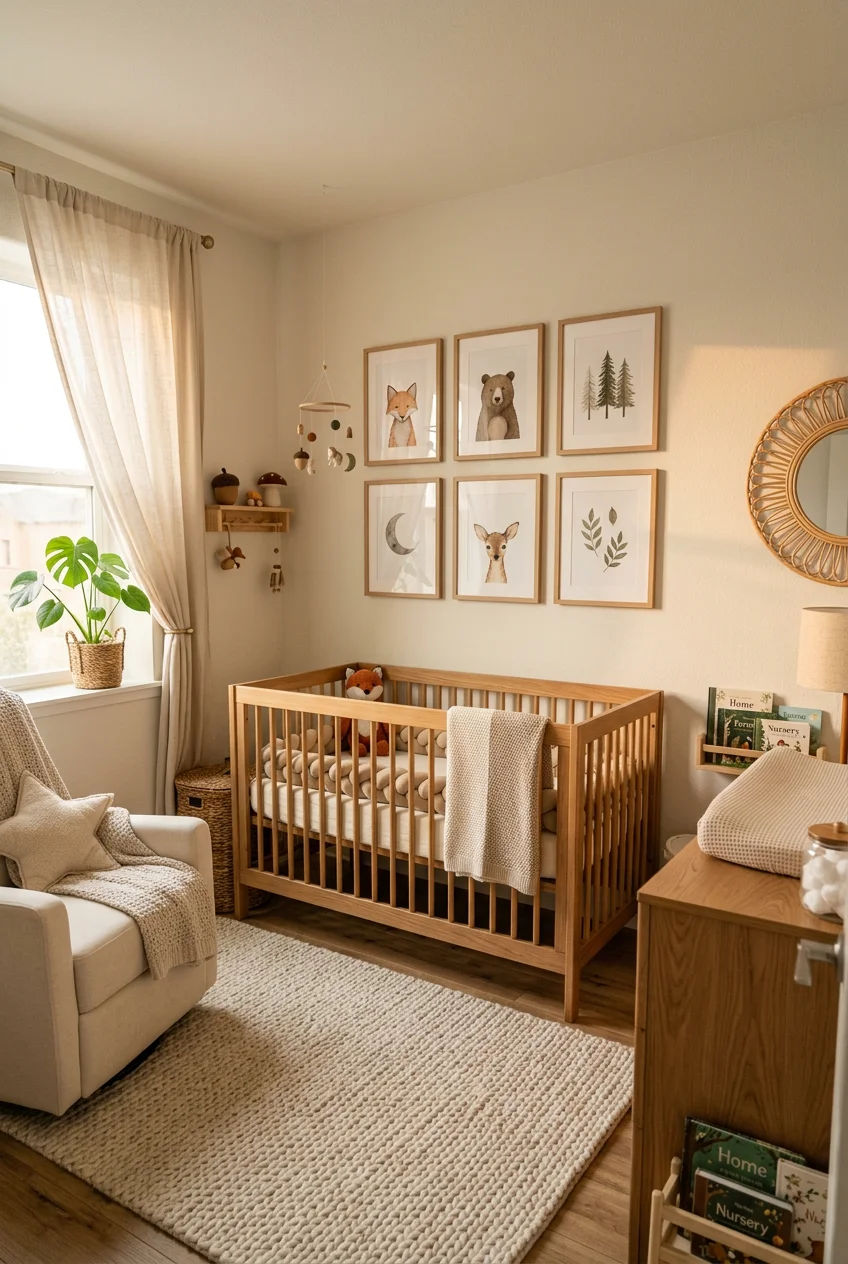
What’s Inside
- Embrace Warm Neutrals and Earthy Tones for a Calming Vibe
- Prioritize Visual Quiet Over Overstimulation in Baby Boy Nursery Art
- Select Art Proportional to Furniture
- Invest in Coordinated Art Sets for a Polished Look
- Incorporate Curated Vintage Pieces
- Utilize Wall Decals for Safety and Flexibility
- Opt for Framed Canvas Prints for a Softer Aesthetic
- Avoid Over-Theming Your Baby Boy Nursery Art to Ensure Longevity
- Create a Gallery Wall with a Grid Style for Impact
- Incorporate Personalized Art for a Heartfelt Touch
- Use Picture Ledges to Display Books as Art
- Rotate Wall Art to Keep the Space Engaging
- Ensure Art is Hung Safely and Securely
- Consider the Impact of Mats and Frames
- Use Digital Downloads for Budget-Friendly Options
I spent four weeks in 2021 taping up heavy, glass-framed vintage maps above my son’s crib. That was my first disastrous attempt at baby boy nursery art, and it ended exactly how you’d expect. The tape failed at 2 AM on a Tuesday, sending a 16×20 frame crashing onto the floor just inches from his head. I learned a hard lesson about safety, scale, and exactly what materials actually work in a baby’s room. Trust me on this. You don’t need a design degree to get this right, but you do need to know the math of wall spacing and which hardware won’t ruin your drywall. Let’s look at the mechanics of putting together a room that feels calm, looks intentional, and doesn’t fall off the wall while you’re sleeping.
1. Embrace Warm Neutrals and Earthy Tones for a Calming Vibe

Move beyond stark grays. The trend for 2026 leans into warmer, grounded palettes that don’t feel like a sterile waiting room. I’m talking about colors like mushroom, sand, toasted almond, muted olive, and soft taupes. These shades create a serene atmosphere that feels both modern and timeless. I bought a set of three canvas prints from Tiny Toes Design last October featuring watercolor safari animals. The set included a baby elephant, a lion, and a giraffe, priced at $24 USD each. The muted olive background on the elephant print changed the temperature of the room. It warmed up the space without relying on the typical aggressive baby blue. Standing in the paint aisle at Home Depot, I realized that matching your art to a warm wall color hides smudges and fingerprints much better than a crisp white wall. If you’re picking a base color for your frames, a natural oak or a soft walnut pairs perfectly with these toasted almond tones. It keeps the contrast low and the visual weight balanced.
2. Prioritize Visual Quiet Over Overstimulation in Baby Boy Nursery Art

While it’s tempting to fill the nursery with vibrant, busy art, experts recommend a “visual quiet” approach for 2026. This means choosing baby boy nursery art that offers gentle stimulation without overwhelming a baby’s developing senses. I tried the maximalist route with my first kid. I bought these neon geometric prints from Target for $15.99 each and plastered them across the main wall. The result was a room that felt chaotic, and my son fought sleep every single time I put him in there. Now, I opt for soft colors, simple patterns, and nature-inspired imagery. Avoid overly bright or highly saturated hues that can interfere with sleep. A simple line drawing of a tree in a muted charcoal gray does the job of filling the wall space without shouting at you. You want the eye to rest when it sweeps across the room. I swapped the neon prints for a single, large-scale watercolor landscape in soft blues and greens. The difference in the room’s energy was immediate. The space finally felt like a place intended for rest.
3. Select Art Proportional to Furniture

A common mistake is choosing art that’s simply too small for the space it occupies. It looks like a postage stamp floating on a massive blank wall. For a standard 52-inch wide crib, a single statement piece should ideally be between 40 to 54 inches wide to maintain visual balance. If you’re using a set of three prints above a crib, 16×20-inch unmatted prints or 12×15-inch matted prints work exceptionally well. They should extend 6 to 12 inches beyond the crib edges to anchor the furniture beneath them. I learned this the hard way when I hung a tiny 8×10 frame over a bulky mid-century modern dresser. It looked ridiculous. For a wide dresser, a 24×36-inch print makes a strong, appropriate statement. I eventually bought a 24×36-inch birch wood frame from Michaels for $39.99 and put a simple black and white architectural sketch inside. The scale finally matched the visual weight of the dresser. Always measure your furniture with a tape measure before you buy the art. Don’t guess.

Criusia Over the Door Organizer
Criusia Over the Door Organizer has been one of the most consistently praised picks in this category. 231 reviewers averaged 4.5/5.
4. Invest in Coordinated Art Sets for a Polished Look

Instead of mixing individual pieces and hoping they match, choose a 2-piece or 3-piece nursery wall art set. The scale, spacing, and visual balance are already calculated for you. Brands like Desenio and various Etsy sellers offer curated sets that take the guesswork out of gallery walls. For example, I recently sourced a set of three 12×16-inch canvas wrapped prints from About Wall Art for a client. The set cost £26 (roughly $33 USD) and featured a cohesive series of vintage airplanes. The backgrounds were identically color-matched, meaning I didn’t have to worry about slightly different shades of white clashing. When you hang a coordinated set, leave exactly 2 to 3 inches of space between each frame. I use a standard 2-inch block of wood as a spacer when I’m nailing the hooks into the drywall. It ensures the gap is perfectly uniform across the entire set. A mismatched set can easily make a room look cluttered, but a pre-coordinated trio instantly looks like you hired a professional designer.
5. Incorporate Curated Vintage Pieces

The 2026 trend for nurseries relies on “curated vintage.” This focuses on one or two unique, storied pieces rather than an overwhelming collection of antique junk. You aren’t trying to create a museum. Look for a vintage-inspired mobile made from natural materials or a framed pressed botanical print. I found a genuine 1970s brass sailboat sculpture at a flea market near Whole Foods last Tuesday for $12.50. I mounted it on a small wooden floating shelf instead of traditional flat art. It adds a three-dimensional element that standard posters can’t replicate. Etsy is an excellent source for unique vintage finds or vintage-style art prints if you don’t have time to dig through antique stores. Just be cautious with actual vintage frames. The backing paper is often degrading, and the hanging wire can be rusted and prone to snapping. I always replace the original wire with a modern braided steel picture wire rated for at least 30 pounds. It costs $4.99 at any hardware store and prevents unexpected crashes in the middle of the night. You might also like: 20 Toddler And Baby Shared Room That Actually Work
6. Utilize Wall Decals for Safety and Flexibility

Instead of heavy framed art, especially directly above the crib, consider non-toxic wall decals. They add instant color and pattern, are easily replaceable, and are objectively safer because they can’t be pulled down or fall on a sleeping baby. Crate & Kids offers a variety of wall decals that create depth and airiness in smaller spaces. I bought a set of their oversized pine tree decals for $69.00. The application process was straightforward, though you absolutely need a plastic smoothing tool to push out the air bubbles. I tried using a credit card first, and it scratched the matte finish on the decal. Learn from my mistake and buy the $2.99 felt-edged squeegee. Decals are also ideal if you’re renting and can’t put holes in the walls. When my son outgrew the woodland theme, I just peeled them off. They left zero residue, which meant I didn’t have to spend a weekend spackling and repainting the drywall. They are the lowest commitment art option available. You might also like: 15 Lovely Nursery Lighting Ideas to Transform Your Space

JolyWell Night Light for Kids
If you want something that just works, JolyWell Night Light for Kids is a safe bet (51 reviews, 4.5 stars).
7. Opt for Framed Canvas Prints for a Softer Aesthetic

While framed fine art prints with glass offer a classic look, framed canvas prints create a softer, more modern feel. This texture is highly suitable for relaxed nursery spaces. Glass reflects light, which can create harsh glares if the art is positioned opposite a sunny window. Canvas eliminates that glare completely. Mybudgetart offers a wide range of nursery decor canvas prints, with prices typically ranging from $99.00 to $519.00 depending on the dimensions. I ordered a 30×40-inch canvas featuring a muted abstract seascape for $149.00. The frame was a thin, natural float frame, meaning there was a small quarter-inch gap between the canvas and the wood. It looked high-end. The canvas itself has a slight woven texture that adds warmth to the room. Plus, canvas is significantly lighter than a piece of art trapped behind a heavy sheet of glass. It’s easier to hang, easier to level, and you won’t have to worry about shattering glass if a rogue toy gets thrown across the room a few years down the line. You might also like: 16 Small Nursery Layout You Need to See
8. Avoid Over-Theming Your Baby Boy Nursery Art to Ensure Longevity

A massive mistake I see constantly is committing too heavily to a specific, age-limited theme. If you cover the walls in licensed cartoon characters, you’re going to be redecorating in 24 months. Instead, choose designs that can grow with your child. Neutral and modern nursery prints transition easily into a toddler room without requiring a complete overhaul. Focus on broader concepts like “Coastal Calm” or “Storybook Whimsy” that allow for more versatile art choices. I once designed a room entirely around a specific popular construction truck toy. By the time the kid was three, he only cared about dinosaurs, and the parents had to scrap $400 worth of custom truck art. Now, I recommend subtle nods to interests. A vintage blueprint of a bridge for $22.00 from an Etsy seller fits the construction vibe but looks sophisticated enough for an older child’s room. You want the foundational pieces of the room to remain static while the toys and temporary accessories handle the fleeting childhood phases.
9. Create a Gallery Wall with a Grid Style for Impact

A highly effective interior design tactic is to create a gallery wall using a strict grid style. This involves using several pieces by the exact same artist or with a highly cohesive theme, arranged in symmetrical rows and columns. This makes a massive feature wall from modestly sized artworks and adds intense visual interest. For example, a grid of four 8×10-inch prints from Project Nursery, which start at $19.00 each, can create a beautifully cohesive display above a changing table. I installed a six-frame grid in my own house last year. I bought six identical 11×14-inch black frames from Target for $12.00 each. The trick to a grid is mathematical precision. If one frame is a quarter-inch off, the entire wall looks sloppy. I highly recommend using a laser level and drafting tape to mark your grid before you pick up a hammer. It took me two hours just to measure and mark the wall, but the actual hanging took ten minutes. The result is a clean, architectural look that feels very intentional.
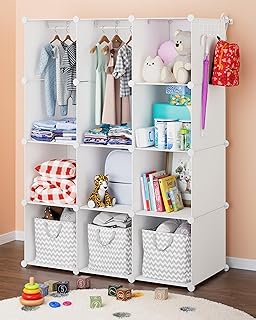
CUBEDIY Baby Closet Organizer for Nursery: Durable Baby
CUBEDIY Baby Closet Organizer for Nursery: Durable Baby Wardrobe for C punches above its price — 316 buyers rated it 4.5 stars. I would buy it again.
10. Incorporate Personalized Art for a Heartfelt Touch

Personalized art, such as custom name signs or prints detailing birth statistics, adds a unique and meaningful element to the nursery without looking tacky. Etsy shops offer custom wood baby name signs or personalized digital downloads. You can purchase a digital file and have it printed at local shops like FedEx Office or Staples for around $8 to $20 for an 8×10 or 11×14-inch print. I ordered a custom star map that showed the exact constellation alignment on the night my son was born. The digital file cost $15.00, and I paid Staples $12.50 to print it on heavy cardstock. I picked it up the same day. One negative to watch out for with wood name signs is the weight and the mounting hardware. I bought a beautifully carved oak name sign for $85.00, but it didn’t come with D-rings attached to the back. I had to install the hardware myself, and the wood was so hard it split slightly when I drilled the pilot hole. Always check the mounting specifications before you buy heavy wooden pieces.
11. Use Picture Ledges to Display Books as Art

Beyond traditional framed art, use narrow picture ledges to display beautiful children’s books. Their covers act as decorative accessories, adding color and stimulating visual interest, while also encouraging early literacy. IKEA is the king of this setup. Their MOSSLANDA picture ledges cost $14.99 for the 45-inch version. I installed three of them vertically on a narrow wall next to the rocking chair. It functions as a library and a massive piece of colorful art. The key is to curate the books you display facing out. I usually put the beautifully illustrated hardcover books in the front and hide the battered paperback copies behind them. I learned quickly that you can’t overload these ledges. I stacked too many heavy board books on the bottom shelf, and the included drywall anchors started pulling out of the wall within a week. Throw away the cheap plastic anchors that come in the box and use heavy-duty toggle bolts. They cost $6.00 for a pack at the hardware store and they won’t fail under the weight of fifty board books.
12. Rotate Wall Art to Keep the Space Engaging

An expert tip from Decorilla is to rotate your decor pieces occasionally. This keeps the space feeling fresh and stimulating for your child as they grow and their cognitive interests evolve. It also prevents overstimulation from static, cluttered decor. You don’t need to buy new frames to do this. I keep a flat portfolio folder under the crib where I store seasonal or alternative prints. Every four or five months, I open the backs of the frames and swap the pictures. I bought a set of four seasonal tree prints for $28.00 and I change them out on the solstices and equinoxes. It takes five minutes. The only negative is that cheap frames with those bendable metal tabs on the back will eventually break if you open them too many times. If you plan to rotate art frequently, invest in frames with swivel clasps. I bought a solid wood frame from West Elm for $45.00 specifically because the backing hardware was built to withstand constant opening and closing.

Criusia Drawer Organizer Clothes
Honestly, Criusia Drawer Organizer Clothes surprised me — sturdier than it looks in the photos, and over 11 buyers gave it 4.5 stars.
13. Ensure Art is Hung Safely and Securely

Never hang heavy objects or glass-framed art directly over the crib or changing table. They pose a severe safety risk if they fall during an earthquake or simply because a drywall anchor failed. Instead, opt for lightweight canvas prints or securely mounted wall decals in these specific drop zones. I mentioned my early failure with the vintage map frame. After that incident, I instituted a strict “no glass over the crib” rule for all my design projects. If you must hang something structural, use acrylic instead of glass. I buy custom-cut acrylic sheets from a local plastics supplier for about $15.00 to replace the glass in standard frames. It’s lighter and it won’t shatter into a thousand lethal pieces. Additionally, you must anchor any tall shelves or furniture near the art to the wall to prevent tipping. I use the $9.99 nylon furniture straps from Amazon. They are ugly, but they are completely hidden behind the dresser. Safety always overrides aesthetics when you’re dealing with a baby’s room.
14. Consider the Impact of Mats and Frames

Adding a mat can significantly increase the perceived size and importance of an artwork. A standard mat is 2 to 4 inches on all sides. An 8×10-inch print can easily become an 11×14-inch or even a 16×20-inch piece with a generous mat and frame. Thin, modern frames allow the art to be the focal point, while a thick, ornate frame can swallow a small print. I bought a tiny 5×7-inch watercolor of a blue whale on Etsy for $12.00. Left alone, it was too small to hang anywhere meaningful. I took it to a custom framer and paid $65.00 for a massive 16×20-inch oversized white mat with a thin brushed brass frame. The negative space of the bright white mat upgraded the cheap print into a high-end gallery piece. The mistake most people make is buying pre-cut mats that are too narrow. A one-inch mat looks cheap and cramped. Always aim for at least a two-inch border, and make sure the mat board is acid-free so it doesn’t turn yellow after a year of sun exposure.
15. Use Digital Downloads for Budget-Friendly Options

For highly affordable art, consider purchasing digital downloads from platforms like Etsy. These can cost as little as $3.79 to $10.00 for a high-resolution printable file. You can then print them yourself at home if you have a high-quality inkjet, or take them to a local print shop. This allows for high-quality art at a fraction of the cost of pre-framed pieces. I bought a beautiful typography print of a classic poem for $4.50. I uploaded the file to the Walgreens photo center online and had it printed on 11×14-inch poster board for $11.99. The quality was surprisingly crisp. One major negative of digital downloads is understanding aspect ratios. If you buy a file formatted for a 4×5 ratio (like an 8×10 print) and try to force it into a 24×36-inch poster size (a 2×3 ratio), the image will severely crop or stretch. Always read the listing details carefully to ensure the file provided actually matches the frame size you intend to use. It saves you from wasting money on a distorted, unusable print.
Designing a nursery doesn’t require a massive budget or a professional degree, but it does require attention to scale, safety, and specific color palettes. I’ve made plenty of expensive mistakes so you don’t have to. The Tiny Toes Design watercolor animals remain my top recommendation for a fail-proof, calming foundation. They are cheap, easy to frame, and perfectly hit that warm neutral trend. Take your time, measure your walls twice, and never trust a cheap drywall anchor. Save this post to your nursery Pinterest board so you have all the exact measurements and frame sizes handy when you’re standing in the middle of Target trying to do the math in your head.

Beautiful Wooden Baby Closet Dividers Set of 7
If you want something that just works, Beautiful Wooden Baby Closet Dividers Set of 7 – Double-Sided Organize is a safe bet (11 reviews, 4.5 stars).
Frequently Asked Questions
How large should baby boy nursery art be over a standard crib?
For a 52-inch crib, a single statement piece should be 40 to 54 inches wide. If using a set of three prints, 16×20-inch unmatted or 12×15-inch matted frames work perfectly, extending 6 to 12 inches beyond the crib edges.
Are glass frames safe for baby boy nursery art?
You shouldn’t hang heavy glass frames directly over a crib or changing table due to earthquake and falling risks. Opt for lightweight canvas prints, non-toxic wall decals, or replace the glass in your frames with custom-cut acrylic sheets.
What are the trending colors for baby boy nursery art in 2026?
Move away from stark grays and aggressive blues. The 2026 trends focus on warm neutrals and earthy tones like mushroom, sand, toasted almond, muted olive, and soft taupes to create a visually quiet and calming environment.
Where is the best place to buy budget-friendly baby boy nursery art?
Etsy is excellent for affordable digital downloads, often costing between $3.79 and $10.00. You can print these files locally at Staples, FedEx Office, or Walgreens. Brands like Desenio and Target also offer great pre-coordinated art sets.
