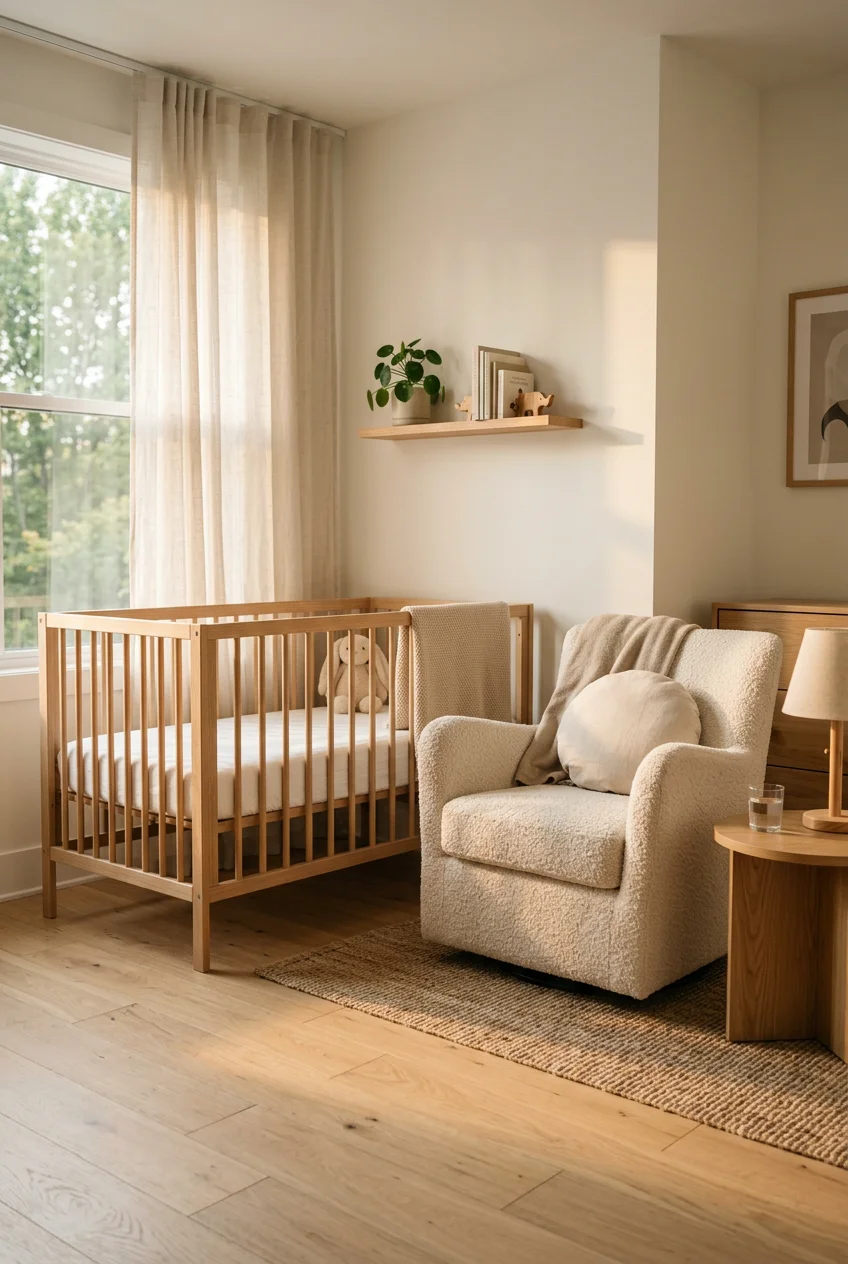
What’s Inside
- Start Your Nursery Furniture Ideas With GREENGUARD Gold Cribs
- Choose a Dual-Firmness Non-Toxic Mattress
- Smart Nursery Furniture Ideas Include Removable Changing Trays
- Invest in Power Gliders with USB Ports
- Maximize Closed Vertical Storage Solutions
- Anchor All Heavy Furniture to the Wall
- Embrace Muted Earthy Tones and Natural Woods
- Use Subtle Wallpaper as an Accent Wall
- Plan Your Layout for Optimal Flow
- Choose Washable Natural Fiber Rugs
- Avoid Overcrowding with Essential Pieces
- Verify Non-Toxic and Lead-Safe Finishes
- Incorporate Layered Dimmable Lighting
- Consider Smart Cribs for Advanced Monitoring
- Upcycle Vintage Furniture Pieces Carefully
- Include Rattan and Jute Textures
- Install Wall-Mounted Bookshelves
- Add a Functional Nursing Side Table
- Hide the Diaper Pail in an Enclosure
- Consider Floor Beds for Toddler Transition
Three years ago, I stood in my daughter’s half-finished bedroom holding a $400 MDF dresser from Target that smelled like a chemical factory. I spent an hour trying to air it out before realizing that most nursery furniture ideas just look good online but fail in reality. If you’re searching for nursery furniture ideas that actually hold up to 3 a.m. blowouts and toddlers throwing wooden blocks, you need a methodical approach. I’m going to walk you through exactly what works.
Designing a space for a baby requires balancing safety codes with daily function. I tried doing this wrong for months before figuring it out. Let’s skip the trial and error. Here are the specific, practical choices that make a room functional.
1. Start Your Nursery Furniture Ideas With GREENGUARD Gold Cribs

When I was pregnant with my first, I bought a cheap painted crib. The off-gassing smell was awful. I learned quickly that you need a GREENGUARD Gold Certified convertible crib. This certification means the furniture is tested for over 10,000 chemicals and VOCs. Indoor air quality matters when a newborn sleeps 16 hours a day. I eventually bought the Babyletto Hudson 3-in-1 Convertible Crib for $399.00. It converts from a standard infant crib to a toddler bed and a daybed. The $399.00 price tag feels steep initially, but you’re paying for solid New Zealand pine wood and a non-toxic finish. Another solid option is the Dream On Me Violet 7-in-1 Convertible Crib, which retails for around $149.99. It’s a more budget-friendly choice that still carries the GREENGUARD Gold certification. Don’t skip this step. A cheap crib that smells like wet paint is a headache you don’t need. I spent weeks airing out my first mistake. Learned that the hard way.
2. Choose a Dual-Firmness Non-Toxic Mattress

A firm mattress is critical for infant safety. Soft mattresses are a suffocation hazard. I recommend the Naturepedic Ultra-Breathable 2-Stage Organic Crib Mattress. It costs $349.00 and is worth the price. It has a dual-firmness design. One side is ultra-firm for infants, and the flip side provides slightly more cushion for toddlers. This extends the life of the mattress by years. You also need to check the fit. There should be no more than two fingers’ width of space between the mattress edge and the crib frame. If the gap is larger, your baby’s limbs can get trapped. I ordered a cheaper foam mattress first, and it left a huge gap in the Babyletto crib. I had to return it. Stick to standardized sizes and verify the measurements. The Naturepedic measures exactly 27.25 by 51.625 inches, which fits standard cribs perfectly without dangerous gaps.
3. Smart Nursery Furniture Ideas Include Removable Changing Trays

Don’t buy a standalone changing table. It’s a complete waste of floor space and money. Once your kid is potty trained, you’re left with a weird, shallow shelving unit. Instead, buy a standard double dresser and attach a removable changing tray. I use the Evolur Audrey Double Dresser. It costs $449.00. I bought a universal wooden changing tray for $59.99 and secured it to the top. When the diaper phase ends, you unscrew the tray, and you have a normal piece of furniture for a teenager. I keep my diapers and a 4 oz tube of diaper cream in the top right drawer. Last Tuesday, I dropped a 4 oz bottle of baby lotion I bought at Kroger right on the wood. Because it’s a high-quality finished dresser, it wiped clean easily. A cheap particleboard changing table would have absorbed the oil and warped.

Delta Children Nursery Storage 48 Piece Set
Delta Children Nursery Storage 48 Piece Set – Easy Storage/Organizatio punches above its price — 17 buyers rated it 4.5 stars. I would buy it again.
4. Invest in Power Gliders with USB Ports

You’ll spend hundreds of hours in your nursery chair. Don’t buy a cheap, stiff rocker. You need an ergonomic glider or recliner with serious lumbar support. I tried a $150 wooden rocker for two months. My lower back was in constant agony. I finally caved and bought the Nurture& The Glider Plus for $1,299.00. It has power recline, adjustable head support, and a built-in USB port. When I’m trapped under a sleeping baby for two hours, I can charge my phone. If that price is too high, look at the Westwood Compass nursery chair for $499.00. It still offers smooth, quiet motion and a high back for neck support. Make sure the fabric is stain-resistant. You’ll spill milk on it. A textured boucle fabric looks nice, but a performance velvet or treated polyester is much easier to scrub at 4 a.m.
5. Maximize Closed Vertical Storage Solutions

Open shelving looks beautiful on social media. In reality, it’s a magnet for dust and visual clutter. Babies accumulate so much plastic junk. You need closed vertical storage solutions. I use a tall IKEA Pax cabinet base that I customized with solid doors. It cost me about $350.00 total. I store extra wipes, outgrown clothes, and bulky blankets inside. Keeping things behind closed doors makes the room feel calm. I tried using open woven baskets on a low shelf for my first baby. By the time he was crawling, he pulled every single basket down daily. It drove me crazy. Use dressers with deep drawers and tall cabinets with latches. I buy bulk boxes of wipes at Costco, and they easily stack inside the deep bottom drawers of my closed cabinet. Hide the mess. Your future tired self will thank you. You might also like: 15 Beautiful Baby Room Organization Ideas You Haven’t Thought Of
6. Anchor All Heavy Furniture to the Wall

This is the most critical safety rule in this entire article. You must anchor all heavy furniture to the wall. Dressers, bookshelves, and tall cabinets are tipping hazards once your baby starts pulling up to stand. I use the Safety 1st Furniture Wall Straps. A two-pack costs $14.99. It takes ten minutes to install them into a wall stud. Don’t rely on drywall anchors for heavy furniture. Find the stud. I learned this lesson the hard way when my toddler tried to climb his dresser to reach a toy. The whole unit wobbled. I caught it in time, but it terrified me. No exaggeration. I spent the next afternoon installing metal brackets on every piece of furniture in the house. I used exactly 1/2 cup of heavy-duty screws to secure everything. It’s cheap insurance. Buy the anti-tip kits before the baby even arrives. You might also like: 20 Inspiring Yellow Nursery Lighting Ideas for Every Budget

Criusia Over the Door Organizer
Honestly, Criusia Over the Door Organizer surprised me — sturdier than it looks in the photos, and over 231 buyers gave it 4.5 stars.
7. Embrace Muted Earthy Tones and Natural Woods

Bright, primary colors are overstimulating. The current trend focuses on muted earthy tones and natural materials to create a calming atmosphere. Think sage greens, soft creams, and warm pastels. I painted my nursery walls with Sherwin Williams Evergreen Fog. A gallon costs about $45.00. I paired the green walls with natural beechwood and New Zealand pine furniture. The raw wood grains add warmth without feeling heavy. I also brought in a small rattan side table from Target for $70.00. Avoid matching furniture sets. Buying a matching crib, dresser, and nightstand makes the room look like a cheap catalog showroom. Mixing a white painted crib with a natural wood dresser looks much more custom and expensive. I maintain the wood finishes by wiping them down once a month with 2 tablespoons of natural wood polish I pick up at Sprouts. You might also like: 16 Toddler Boy Room Decor for Every Budget
8. Use Subtle Wallpaper as an Accent Wall

Overly themed nurseries age terribly. If you paint a giant jungle mural, you’re going to hate it in three years. Instead, use subtle wallpaper as an accent wall behind the crib. I prefer botanical prints or gentle geometric patterns. I used a peel-and-stick woodland pattern from Spoonflower. It costs $45.00 per roll. Peel-and-stick is crucial. When your kid decides they hate trees and only like trucks, you can peel it right off without destroying the drywall. I applied it myself in one afternoon. I made a mistake initially by trying to wrap the wallpaper around a corner. It peeled within a week. Stick to a single, flat accent wall. The subtle pattern adds enough visual interest to anchor the room without dictating every other design choice you make. It keeps the space flexible.
9. Plan Your Layout for Optimal Flow

You need to plan your nursery layout for optimal flow. Nighttime navigation is brutal. You need clear pathways of at least 70 to 80 cm wide. If you have to squeeze past a glider to reach the crib, you’ll eventually trip. I tripped over a wooden toy bin in the dark while eating a Trader Joe’s granola bar at 2 a.m. I bruised my knee badly. Map out the space before buying furniture. Position the crib away from windows, heavy drapes, and blind cords. Direct sunlight will wake your baby up too early. I placed my crib against a solid interior wall. The changing station is exactly three feet away. I can keep one hand on the baby while grabbing a fresh diaper. Keep the layout functional and prioritize easy movement over cramming an extra piece of furniture into a corner.
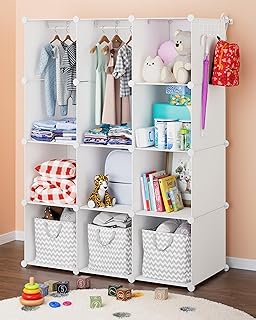
CUBEDIY Baby Closet Organizer for Nursery: Durable Baby
Honestly, CUBEDIY Baby Closet Organizer for Nursery: Durable Baby Wardrobe for C surprised me — sturdier than it looks in the photos, and over 316 buyers gave it 4.5 stars.
10. Choose Washable Natural Fiber Rugs

A bare hardwood floor is tough on crawling knees, but a thick shag rug is impossible to clean. You need a machine-washable rug made from natural fibers. I bought the Ruggable Kamran Washable Rug in a 5×7 size for $199.00. It has a low pile and a waterproof barrier. When my son had a massive blowout that leaked onto the floor, I just peeled the top layer off and threw it in the washing machine. I pre-treated the stain with an organic stain remover I bought at Whole Foods for $8.99. It came out looking brand new. Wool rugs are beautiful, but they shed endlessly and trap odors. I tried cleaning a wool rug with baking soda once, and it just created a paste that ruined the fibers. Stick to washable cotton or jute blends. Practicality beats aesthetics on the floor.
11. Avoid Overcrowding with Essential Pieces

The biggest mistake first-time parents make is overcrowding the nursery. You don’t need a crib, a dresser, a glider, a bookshelf, a toy box, and a bassinet all in one 10×10 room. It makes the space feel cramped and stressful. Focus on the essential furniture first. You only need a place for the baby to sleep, a place to change diapers, and a place for you to sit. I started with just the Babyletto crib, the Evolur dresser, and my Nurture& glider. I lived with that setup for three months before deciding I had enough empty space to add a narrow Delta Children bookshelf for $89.99. Leaving empty floor space is actually a design choice. Your baby needs room for tummy time and crawling. Don’t fill every square inch with furniture just because you saw it on a checklist.
12. Verify Non-Toxic and Lead-Safe Finishes

Furniture finishes matter just as much as the materials. You must select non-toxic, lead-safe, and phthalate-safe paints. Babies chew on their crib rails. It’s a terrifying phase, but it happens. My daughter gnawed on the top rail of her crib for a solid month when her incisors were coming in. Because I bought a DaVinci Kalani 4-in-1 Convertible Crib for $199.00, I knew the paint was tested and safe. Brands like Dream On Me, Evolur, Babyletto, and DaVinci strictly meet ASTM and CPSC safety standards. If you buy a cheap, unbranded crib from an overseas online marketplace, you have no idea what chemicals are in that paint. It’s not worth the risk to save fifty bucks. Always verify the safety certifications before you assemble the furniture. If the manufacturer can’t provide a compliance certificate, don’t buy it.

Criusia Drawer Organizer Clothes
Honestly, Criusia Drawer Organizer Clothes surprised me — sturdier than it looks in the photos, and over 11 buyers gave it 4.5 stars.
13. Incorporate Layered Dimmable Lighting

A single glaring overhead light is terrible for a nursery. You need layered lighting with dimmable options. I installed a basic dimmer switch on my overhead light for $25.00 from Home Depot. It completely changed the room. For nighttime feedings, I rely on a Hatch Rest sound machine and nightlight. It costs $69.99. I control the brightness and color from my phone. I set it to a dim red glow at night. Red light doesn’t disrupt melatonin production. I used to turn on a standard table lamp at 3 a.m., and the bright white bulb would fully wake my baby up. It took an hour to get him back to sleep. Now, I keep the lighting low and warm. I also plugged in a $12.00 GE LED nightlight near the doorway so I don’t stub my toe walking in.
14. Consider Smart Cribs for Advanced Monitoring

If you have the budget, a smart crib is an incredible piece of furniture. Traditional cribs are static. The Cradlewise Smart Crib costs $1,999.00. It features an integrated baby monitor and automated soothing motions. When the built-in camera detects the baby stirring, the crib gently bounces to lull them back to sleep before they fully wake up crying. It’s an investment, but it buys you actual sleep. I was skeptical of smart furniture until I spent four months manually bouncing on a yoga ball at 4 a.m. The Cradlewise app also provides real-time sleep analytics. You can track exactly how long your baby slept without keeping a messy paper log. If the nearly two-thousand-dollar price tag is too steep, a standard crib paired with a Nanit Pro Camera for $299.00 offers great monitoring, even if it won’t bounce the baby for you.
15. Upcycle Vintage Furniture Pieces Carefully

You don’t have to buy everything brand new. Repurposing and upcycling vintage furniture adds unique character and saves money. I found a solid wood, mid-century dresser at a local antique shop for $150.00. I spent a weekend sanding it down and painting it with Rust-Oleum Chalked Paint in Linen White. The paint cost $19.98 at Walmart. I swapped the old hardware for modern brass pulls that cost $3.99 each. It looks like a custom $800 piece. Just be careful with vintage items. You must test old furniture for lead paint using a 3M Lead Test Kit. They cost about $12.00. Also, ensure the drawers have safety stops so they don’t pull all the way out and crush tiny toes. Upcycling is great, but modern safety standards still apply to old furniture.

Beautiful Wooden Baby Closet Dividers Set of 7
Beautiful Wooden Baby Closet Dividers Set of 7 – Double-Sided Organize punches above its price — 11 buyers rated it 4.5 stars. I would buy it again.
16. Include Rattan and Jute Textures

Adding texture is the easiest way to make a nursery look professionally designed. Flat, painted surfaces can feel sterile. I incorporate rattan and jute accents to warm up the space. I bought a set of three Opalhouse rattan storage baskets from Target for $45.00. I use them to hold swaddles and burp cloths. The woven texture contrasts beautifully against the smooth painted finish of the dresser. I also hung a small woven jute mirror above the changing station. It cost $29.99 at HomeGoods. Babies love looking at themselves during diaper changes, and the natural fibers fit the earthy aesthetic perfectly. I tried using cheap plastic storage bins at first. They looked terrible and cracked after a few months of use. Spend a little extra on natural materials. They hold up better and improve the entire room’s design.
17. Install Wall-Mounted Bookshelves

Floor-standing bookshelves take up too much valuable real estate. Wall-mounted shelving is a much better solution for displaying books. I bought a set of four clear acrylic floating shelves for $24.99 on Amazon. I mounted them low on the wall, so the covers face outward. It creates a beautiful, colorful display that doubles as wall art. When my daughter started walking, she could easily reach her own books. I made sure to mount them securely into studs. I initially bought a heavy, wooden leaning bookshelf. It was a massive tipping hazard, and it blocked the only electrical outlet on that wall. Floating shelves keep the floor clear and make vacuuming much easier. Just don’t overload them. I keep exactly ten books on display at a time and rotate them out monthly.
18. Add a Functional Nursing Side Table

Your nursing station needs a dedicated side table. You’ll be trapped in that glider for hours, and you need a place to set things down. I bought a small, round metal side table from West Elm for $79.00. It’s just big enough to hold a 32 oz Yeti water bottle, my phone, and a burp cloth. Don’t buy a table with sharp square corners. When you stand up while holding a sleeping baby in a dark room, you’ll bump your thigh into it. A round table is much safer. I used to just put my water bottle on the floor. I knocked it over constantly, spilling water all over the rug. Having a sturdy table right next to the armrest of the glider is a small detail that drastically improves your daily comfort. Trust me on this.
19. Hide the Diaper Pail in an Enclosure

Diaper pails are ugly. Even the sleek ones look out of place in a beautifully designed nursery. If you have the space, hide the diaper pail inside a vented cabinet or buy a premium steel option that contains odors. I use the Ubbi Steel Odor Locking Diaper Pail. It costs $79.99. Unlike plastic pails, the steel doesn’t absorb smells over time. I bought it in a matte white finish so it blends into the wall. I keep it tucked in the narrow gap between the dresser and the wall. I made the mistake of buying a cheap plastic pail for my first baby. After six months, the plastic itself smelled like a dirty diaper, no matter how much bleach I used. The Ubbi uses standard trash bags, which saves me money on expensive proprietary refills. It’s functional and visually unobtrusive.
20. Consider Floor Beds for Toddler Transition

If you’re following a Montessori approach, skip the convertible toddler bed and move straight to a floor bed when the time comes. It encourages independence and saves you from buying transitional furniture. I highly recommend the Sprout Kids Floor Bed. It costs $295.00. It’s essentially a low wooden frame that sits directly on the carpet, keeping the mattress just an inch off the ground. When my son turned two, we transitioned him to this bed. If he rolls out, he only falls two inches onto a soft rug. It completely eliminated my fear of him falling out of a high toddler bed. Make sure the entire room is meticulously baby-proofed before doing this. Anchor every piece of furniture, cover all outlets, and remove any small choking hazards. The room itself becomes the crib.
Building a nursery doesn’t require buying every trendy piece of furniture on the market. Stick to the essentials, prioritize safety certifications, and invest in items that grow with your child. I’ve learned that a functional, safe room brings you a lot more peace of mind than a perfectly styled but impractical space. Pin these ideas for later, and let me know which layout works best for your home.
Frequently Asked Questions
What are the most essential nursery furniture ideas for a small room?
In a small nursery, prioritize a convertible crib, a double dresser with a removable changing tray, and a comfortable glider. Avoid overcrowding with extra bookshelves or toy boxes, and utilize vertical wall-mounted shelves for storage.
Why is GREENGUARD Gold certification important for nursery furniture?
GREENGUARD Gold certification ensures that the furniture has been tested for over 10,000 chemicals and volatile organic compounds (VOCs). This guarantees low chemical emissions, providing a healthier indoor air quality for your baby’s developing lungs.
Should I buy a dedicated changing table?
No, a dedicated changing table is usually a waste of money and space. Instead, buy a sturdy double dresser and attach a removable wooden changing tray to the top. Once the diaper phase ends, it functions as a normal dresser.
How do I secure nursery furniture safely?
You must anchor all heavy furniture, including dressers and bookshelves, directly to the wall studs using anti-tip kits or metal brackets. Do not rely on drywall anchors, as they can easily pull out if a toddler climbs the furniture.
