What’s Inside
- Opt for a Mini or Compact Convertible Crib
- Ditch the Changing Table for a Dresser Topper
- Utilize Vertical Storage with Floating Shelves
- Invest in Under-Crib Storage Solutions
- Choose a Compact Glider for Tight Corners
- Consider a Wall-Mounted Changing Station
- Hang Over-the-Door Organizers for Daily Items
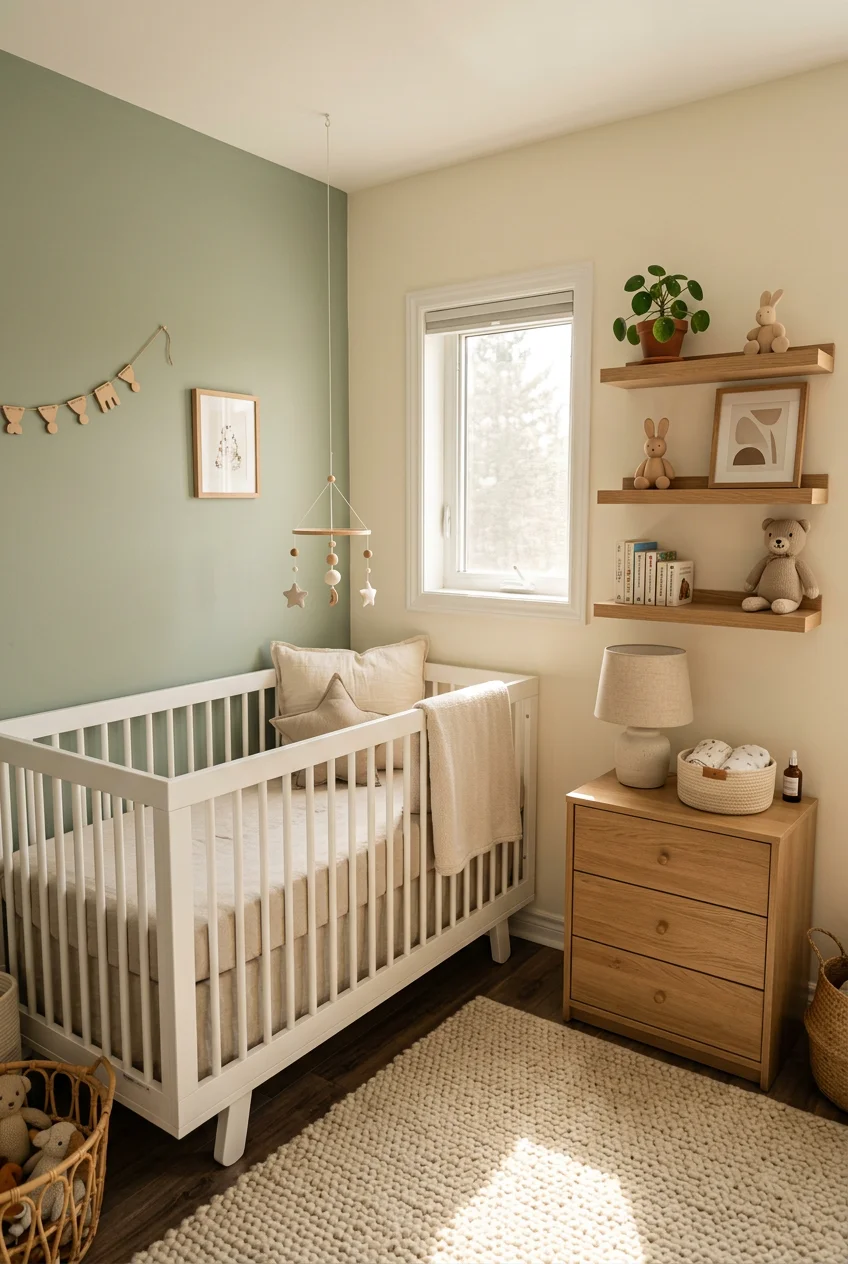
- Prioritize Light and Neutral Color Palettes
- Designate Zones for Functionality
- Repurpose Existing Furniture Instead of Buying New
- Utilize Mirrors Strategically to Bounce Light
- Choose Wall-Mounted Lighting Over Floor Lamps
- Create a Closet Nursery if You Lack an Actual Room
- Embrace Curated Vintage Pieces Instead of Themes
- Incorporate Sculptural Furniture for Softer Lines
- Use Textured Walls for a Cocoon-Like Feel
When I tried to fit a standard 52-inch crib into my first apartment’s 7×8 foot bonus room, the door physically wouldn’t open past the mattress. I spent three hours crying on the floor surrounded by cardboard boxes. Figuring out tiny nursery ideas for small spaces requires ruthless editing, not just buying smaller things. I’m Lauren Hayes, and after designing dozens of nurseries, I know exactly what works. Let’s skip the fluffy Pinterest advice. You need actual measurements and real products. I tried arranging that tiny room wrong for months before figuring it out. Here are the exact layouts, dimensions, and items that actually fit when you’re working with practically zero square footage.
1. Opt for a Mini or Compact Convertible Crib

Standard cribs measure roughly 28 by 52 inches inside. In a room that barely fits a queen bed, that footprint eats your entire floor plan. I learned this the hard way. I bought a massive, heavy wooden crib for my first daughter. It looked beautiful in the store. In her tiny room, it blocked the closet door completely. I ended up returning it and bought the Babyletto Origami Mini Crib for $249 at Target. It measures just 24 by 38 inches. You save about 30 percent of your floor space instantly. The wood feels solid, and the lockable wheels mean I can push it out of the way to vacuum the carpet. The wheels lock firmly, which matters when your baby starts pulling up. If you want something that lasts longer, the Yuzu 8-in-1 Convertible Mini Crib starts around $299. It transitions from a bassinet to a junior bed. You won’t have to buy another bed until they hit kindergarten. Skip the bulky toddler beds entirely. Just start small.
2. Ditch the Changing Table for a Dresser Topper

A standalone changing table is a massive waste of 36 inches of floor space. I bought one for my first nursery, and it just became a dumping ground for clean laundry. It’s much smarter to use a dresser you already need for clothes and turn the top into your changing station. You need a dresser with a large, flat surface area. I use a standard six-drawer wooden dresser and put the Keekaroo Peanut Changer directly on top. The Keekaroo costs around $130. The solid polyurethane material doesn’t absorb liquids. When a blowout happens, you just wipe the surface with a damp cloth. It feels slightly squishy to the touch, so it’s comfortable for the baby. I keep a massive box of Kirkland baby wipes from Costco right next to the pad. No exaggeration. You don’t need a dedicated piece of furniture just for diaper changes. You just need a safe, flat surface at waist height. Your back will thank you, and you keep your floor clear.
3. Utilize Vertical Storage with Floating Shelves

When floor space runs out, you have to look at your walls. Blank drywall is wasted storage potential. I install floating shelves above the changing area or near the glider in almost every tiny nursery I design. A set of three IKEA LACK wall shelves costs about $14.99 each. They look clean and modern. I use them to hold stacks of diapers, a tub of diaper cream, and a few board books. You must use heavy-duty drywall anchors. I tried skipping the anchors once and the shelf ripped right out of the wall under the weight of a dozen books. It left a massive hole I had to patch. Learned that the hard way. Keep the lowest shelf completely out of your baby’s reach. Once they stand up in the crib, they’ll grab anything within a two-foot radius. Last Tuesday, I was eating a bag of trail mix from Kroger while installing these exact shelves for a client. We put them high enough that even a tall toddler can’t reach the heavy glass lotion bottles.

Delta Children Nursery Storage 48 Piece Set
If you want something that just works, Delta Children Nursery Storage 48 Piece Set – Easy Storage/Organizatio is a safe bet (17 reviews, 4.5 stars).
4. Invest in Under-Crib Storage Solutions

The gap beneath the crib is the most ignored real estate in a nursery. Most people just let dust bunnies and lost pacifiers accumulate down there. You can fit an incredible amount of stuff in that six-inch gap. I use the Brightroom 41-quart Clear Under Bed Storage Boxes from Target. They cost exactly $10 each. The clear plastic lets you see exactly what’s inside without pulling the whole bin out. I slide three of these under a standard mini crib. I use one for out-of-season clothing, one for extra crib sheets, and one for bulk diaper storage. The plastic lids snap shut tightly, which keeps the dust out. If your crib has a solid skirt, you won’t even see the plastic bins. I used to stuff all the extra blankets into the tiny nursery closet. The closet door wouldn’t shut properly. Moving the bulky items under the crib instantly fixed the closet crowding issue. It’s a simple fix that costs thirty dollars total.
5. Choose a Compact Glider for Tight Corners

You need a comfortable chair for middle-of-the-night feedings. You don’t need a massive, overstuffed recliner that belongs in a basement home theater. I made this mistake early on. I bought a huge plush glider. Every time I rocked back, the wooden base slammed into the wall. It drove me crazy. I couldn’t recline it without hitting the crib. Now, I recommend the Delta Children Blair Slim Nursery Glider Swivel Rocker Chair. It costs around $299. It features a much smaller footprint designed specifically for tight corners. The fabric is a tightly woven polyester that feels smooth and wipes clean easily. The swivel mechanism lets you turn smoothly to grab a burp cloth off the side table without standing up. The back is high enough to support your neck, but the armrests are narrow. You save at least ten inches of width compared to a standard nursery chair. Those ten inches determine whether you can comfortably walk past the chair in the dark.
6. Consider a Wall-Mounted Changing Station

This sounds intense, but for extremely tight spaces, a wall-mounted changing table works brilliantly. You usually see these in restaurant bathrooms. Brands like Koala Kare or VEVOR make heavy-duty, foldable options for residential use. The VEVOR horizontal fold-down station costs between $250 and $400 depending on the finish. When it’s closed, it protrudes less than four inches from the wall. You pull it down with one hand when you need it. The pneumatic cylinder makes it lower smoothly without slamming. I installed one in a client’s 6×6 foot converted office. We physically couldn’t fit a dresser and a crib in the room. This wall-mounted option saved the entire layout. The hard plastic surface feels a bit cold, so I always recommend keeping a soft, washable changing liner nearby. You absolutely must mount this directly into the wall studs. Don’t rely on drywall anchors for something holding your baby. It takes an hour to install, but it frees up six square feet of floor space.

Criusia Over the Door Organizer
If you want something that just works, Criusia Over the Door Organizer is a safe bet (231 reviews, 4.5 stars).
7. Hang Over-the-Door Organizers for Daily Items

The back of your nursery door is basically a blank canvas for storage. An over-the-door organizer with clear pockets holds all the tiny, annoying items that usually clutter up your dresser top. I use a Simple Houseware clear pocket organizer that costs $16.99 on Amazon. It has 24 transparent pockets. I fill them with bibs, burp cloths, tubes of diaper cream, and nasal aspirators. The clear plastic means I don’t have to dig around blindly at 3 AM. I used to keep all the pacifiers in a decorative basket on the shelf. I knocked the basket over in the dark one night and stepped on three hard plastic pacifiers barefoot. It hurt terribly. Trust me on this. Moving all those small items to the door pockets keeps them visible and contained. The metal hooks slide right over standard interior doors. Just check the gap at the top of your door frame first. If the gap is too tight, the metal hooks will scrape the paint off the door jamb when you close it. You might also like: 17 Nursery Ideas Boy for Every Budget
8. Prioritize Light and Neutral Color Palettes

Paint changes how your brain processes the size of a room. Expert designers constantly push light, neutral shades for a reason. Colors like Benjamin Moore Saybrook Sage HC-114 or a soft mushroom taupe visually expand the walls. I painted my son’s tiny nursery a dark, moody navy blue because I saw it in a magazine. The room instantly felt like a literal cave. The dark walls absorbed all the natural light from the single small window. I spent a whole weekend priming over the blue and repainting it a warm off-white. The difference was staggering. The room felt twice as large. If you want color, keep it below the chair rail or use it in your textiles. A light greige or soft taupe reflects the light from your lamps and windows. The paint finish matters too. Use an eggshell finish instead of flat matte. Eggshell has a slight sheen that bounces light around the room, and you can actually wipe dirty fingerprints off it without ruining the paint job. You might also like: 15 Gender Neutral Nursery Themes for Every Budget
9. Designate Zones for Functionality

Even in a room the size of a walk-in closet, you need distinct zones. You need an area for sleep, an area for changing, and an area for feeding. If you mix these up, the room feels chaotic. Place the crib against the quietest interior wall, away from drafty windows. Position the changing station near your diaper storage. Set up a compact feeding nook with your narrow glider and a small side table. I was eating a bag of peanut butter pretzels from Trader Joe’s while sketching out a floor plan last month, and I realized why my client hated her nursery. She had the diaper pail sitting right next to the feeding glider. The smell was awful every time she sat down to nurse. We moved the changing zone to the opposite corner, near the door. This structured approach forces you to organize your movements. You aren’t pacing across the room to grab wipes while holding a squirming baby. Everything you need for a specific task sits within arm’s reach. You might also like: 15 Cozy Baby Nursery Decor Ideas for Any Style
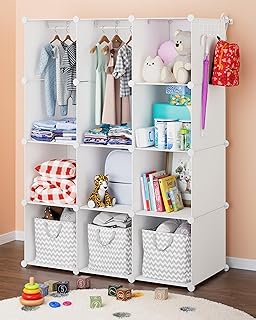
CUBEDIY Baby Closet Organizer for Nursery: Durable Baby
If you want something that just works, CUBEDIY Baby Closet Organizer for Nursery: Durable Baby Wardrobe for C is a safe bet (316 reviews, 4.5 stars).
10. Repurpose Existing Furniture Instead of Buying New

You don’t need to buy a matching nursery furniture set. In fact, matching sets usually look bulky and dated. Look at the furniture you already own. An old solid wood hutch can hold baby books and folded blankets. I sanded down an old mid-century dresser I bought on Facebook Marketplace for $40. I painted it a soft green and added brass knobs. It fits perfectly into a tight alcove in my daughter’s room. The drawers are deep enough to hold a massive stack of swaddles. Older furniture often features smaller footprints than modern, chunky nursery pieces. I once tried to force a brand-new, oversized changing table into a room. The particle board felt cheap, and it blocked the heating vent. I returned it and used a narrow vintage console table instead. I just secured a changing pad to the top with heavy-duty velcro. It saved me three hundred dollars and looked significantly better. Just ensure any older furniture is painted with lead-free, non-toxic paint.
11. Utilize Mirrors Strategically to Bounce Light

A large mirror tricks your eye into thinking the room continues past the wall. It also reflects whatever natural light you have. I always place a mirror directly opposite the room’s window. I bought a 30-inch round brass threshold mirror from Target for $60. The curved frame softens the hard angles of the crib and dresser. When the afternoon sun hits the window, the mirror catches the light and brightens the darkest corner of the room. You absolutely must secure the mirror directly into a wall stud. Don’t use a standard picture hanging wire. Use a heavy-duty D-ring and a long screw. I once hung a heavy mirror with a basic picture hook. My toddler slammed the nursery door, and the vibration knocked the mirror off the wall. It shattered across the hardwood floor. Cleaning up glass shards in a baby’s room is a nightmare I won’t repeat. Mount it flush against the wall, high enough that a standing toddler can’t smack it with a toy.
12. Choose Wall-Mounted Lighting Over Floor Lamps

Floor lamps and bulky table lamps consume precious surface area. A standard floor lamp base takes up roughly twelve inches of floor space. That’s a foot of space you can’t use for a diaper pail or a storage bin. I tripped over the thick black cord of a floor lamp from Walmart while holding my sleeping baby. My foot caught the wire, and the heavy metal lamp crashed into the wall. I immediately switched to wall-mounted sconces. You don’t even need hardwiring. You can buy plug-in wall sconces that screw directly into the drywall. Look for fixtures with dimmable capabilities. You want a 2700K to 3000K warm-white LED bulb. This color temperature mimics the soft glow of sunset. It won’t wake the baby up completely during a 2 AM diaper change. I mount a small brass sconce about four feet above the changing pad. It casts a direct pool of light exactly where I need it, leaving the rest of the room relatively dark and peaceful.

Beautiful Wooden Baby Closet Dividers Set of 7
If you want something that just works, Beautiful Wooden Baby Closet Dividers Set of 7 – Double-Sided Organize is a safe bet (11 reviews, 4.5 stars).
13. Create a Closet Nursery if You Lack an Actual Room

Sometimes you don’t even have a small room. You just have an alcove or a spare closet. You can convert a standard reach-in closet into a highly functional nursery nook. My sister lived in a one-bedroom apartment in the city. She took the heavy sliding doors off her six-foot-wide hallway closet. She painted the inside a soft peach color and installed battery-operated puck lights on the ceiling. A mini crib fit perfectly inside the frame. She hung a tension rod high above the crib to hold tiny baby hangers. It felt incredibly cozy and intentional. The key is removing the doors entirely. If you leave the doors on, the airflow is terrible, and the baby will overheat. By opening it up, the closet becomes an extension of the main room. You can hang a soft linen curtain on a rod outside the frame if you want to hide the crib during the day. It’s the ultimate space-saving hack for apartment living.
14. Embrace Curated Vintage Pieces Instead of Themes

The 2026 design trend leans heavily away from matching, overly themed nursery sets. Rooms covered in identical woodland creatures or matching gray chevron patterns look cluttered. A small space needs a curated, lived-in aesthetic. Incorporating one or two unique vintage finds adds personality without adding bulk. I found a heavy, solid brass desk lamp at a thrift store right next to the Whole Foods in my neighborhood. I paid exactly $12 for it. The brass has a beautiful, natural patina. I placed it on the dresser. It gives the room a grounded, sophisticated feel that a cheap plastic lamp just can’t match. Vintage wooden crates work beautifully for storing stuffed animals or rolled blankets. I bought an old wooden soda crate at a flea market, cleaned it with wood soap, and slid it under the glider. It smells faintly of cedar. Mixing old textures with your new crib makes the tiny room feel like a deliberate design choice, rather than a cramped afterthought.
15. Incorporate Sculptural Furniture for Softer Lines

Tiny rooms filled with square cribs, rectangular dressers, and boxy chairs feel rigid and harsh. To add sophistication without bulk, look for sculptural furniture with soft curves and rounded silhouettes. A round side table is infinitely better than a square one. I used to have a sharp, square end table next to my glider. I bruised my hip on the corner at least three times a week while carrying the baby. I finally threw it out and bought a 14-inch round wooden pedestal table. The curved edge means I can squeeze past the glider without catching my clothes. I keep a soft, organic cotton blanket I picked up at Sprouts draped over the back of the curved chair. The visual softness of the rounded furniture tricks your brain into feeling relaxed. In 2026, we are seeing a massive shift toward these organic, kidney-bean shapes in nursery design. They break up the grid-like feeling of a small, square room and make the space flow naturally.

Criusia Drawer Organizer Clothes
Honestly, Criusia Drawer Organizer Clothes surprised me — sturdier than it looks in the photos, and over 11 buyers gave it 4.5 stars.
16. Use Textured Walls for a Cocoon-Like Feel

Flat paint in a small room can look stark and boring. Adding texture to the walls creates depth and warmth, making a tiny nursery feel like a cozy cocoon. I love using limewash or plaster-inspired finishes. Portola Paints Roman Clay is a fantastic option. You apply it with a putty knife, and it dries with a subtle, cloudy texture that looks like soft suede. It costs around $80 for a gallon, which easily covers an accent wall. The texture catches the light differently throughout the day. It hides drywall imperfections beautifully. I tried applying a cheap textured wallpaper once, and the seams peeled up within a month because of the humidity from the humidifier. The Roman Clay physically bonds to the wall. It feels slightly chalky to the touch but doesn’t rub off on your clothes. The subtle movement in the finish makes the walls recede visually. It’s a high-end detail that improves the entire room without taking up a single inch of physical space.
Designing a small nursery doesn’t mean sacrificing style or function. It just means you have to be intentional with every single inch of flooring. I’ve made all the mistakes so you don’t have to. Skip the bulky furniture, use your vertical wall space, and focus on the exact measurements before you buy anything. If you’re tackling your own tiny room soon, save this post. Pin it to your nursery inspiration board so you have these exact product dimensions handy when you’re standing confused in the middle of a furniture aisle. You’ve got this.
Frequently Asked Questions
What is the best crib size for a tiny nursery?
A mini crib is the best choice for small spaces. They typically measure 24 by 38 inches inside, saving about 30 percent of floor space compared to a standard 28 by 52-inch crib. Models like the Babyletto Origami are highly recommended.
How can I fit a changing table in a small nursery?
Skip the standalone changing table. Instead, use a standard dresser and place a waterproof changing pad, like the Keekaroo Peanut Changer, directly on top. This eliminates the need for extra furniture and keeps the floor clear.
What are the best colors for tiny nursery ideas small spaces?
Light, neutral color palettes visually expand a small room. Trending colors for 2026 include soft mushroom taupe and Benjamin Moore Saybrook Sage. Avoid dark colors, which can make a small room feel like a cave.
How do you add storage to a small nursery without taking up floor space?
Utilize vertical and hidden space. Install heavy-duty floating shelves, use clear 41-quart storage bins under the mini crib, and hang an over-the-door pocket organizer for daily essentials like burp cloths and diaper cream.
