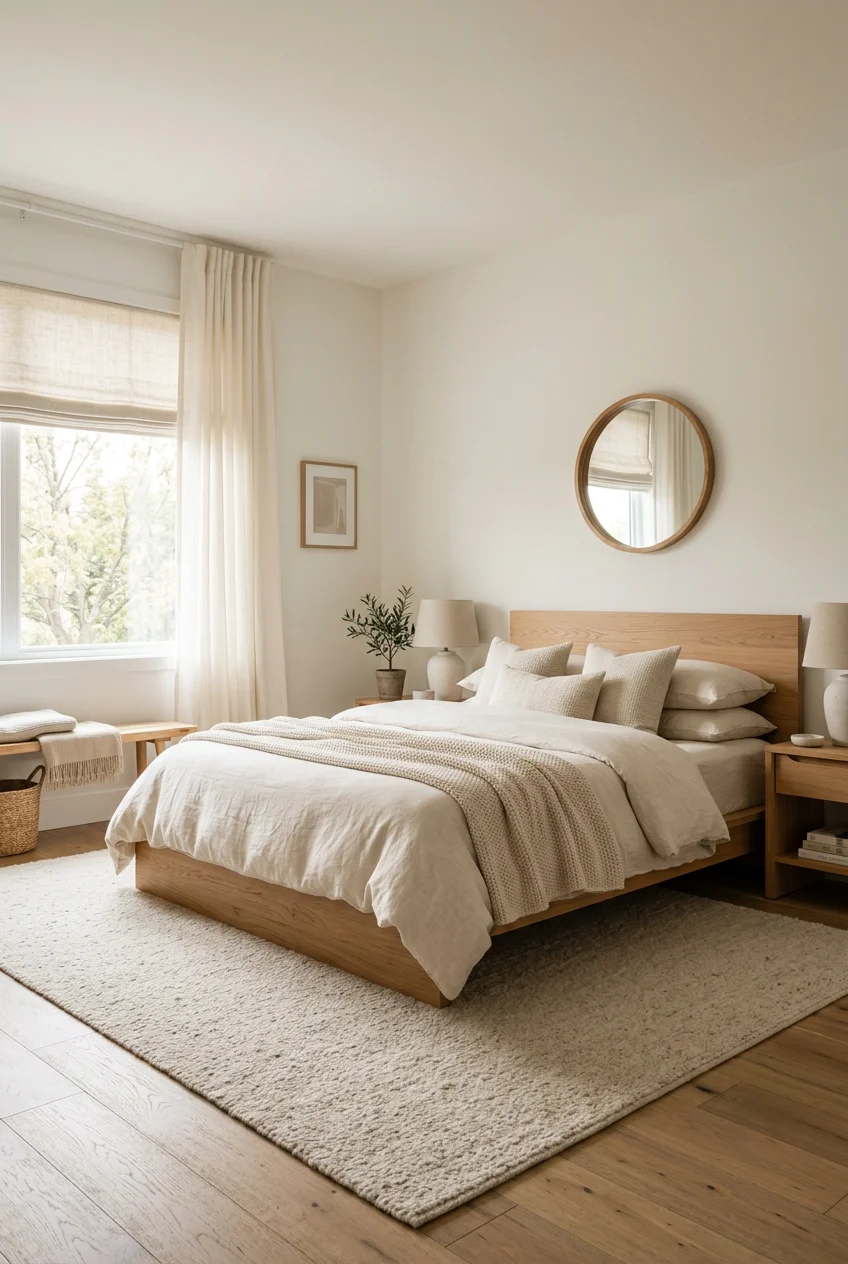
What’s Inside
- Prioritize Safe Crib Placement in Your Toddler Room Layout
- Invest in a GREENGUARD Gold Convertible Crib
- Anchor Every Single Piece of Heavy Furniture
- Implement Hidden Magnetic Baby-Proofing
- Optimize Lighting with Dimmers and Cordless Blinds
- Create a Functional Comfort Nook
- Maximize Storage with Low-Level Shelving
- Adopt a Warm Neutral and Earthy Color Palette
- Incorporate Sensory Rugs for Floor Play
- Design for Growth by Skipping Loud Themes
- Ensure Optimal Air Quality and Temperature
- Create Distinct Zones for Sleep and Play
- Avoid Overcrowding the Room
- Install Interactive Tactile Wall Features
- Prioritize Machine-Washable Textiles
- Plan the Floor Bed Transition in Your Toddler Room Layout
- Repurpose the Changing Station Smartly
- Install Cordless Blackout Curtains
- Set Up a Rotating Toy Display
- Maintain Clear Pathways for Late-Night Pacing
I stood in the doorway last Tuesday at 2 AM, watching my two-year-old dismantle the cheap bookshelf I thought was perfectly fine. That moment forced me to rethink my entire toddler room layout. You think you’ve got it figured out when they’re infants, but once they start walking, the rules change. I spent the next three days dragging furniture, measuring clearances, and tossing out climbing hazards. Designing a space for a toddler is less about magazine looks and more about avoiding disaster while keeping the room warm. I’ve made plenty of mistakes. Like buying a squeaky glider that woke the baby, or a rug that couldn’t handle a spill. Trust me. Here is how I approach room design now, using specific measurements, products, and layouts that actually work.
1. Prioritize Safe Crib Placement in Your Toddler Room Layout

When mapping out a toddler room layout, crib placement is step one. I did this wrong for months. I put my daughter’s crib under a double window because I liked the light. Big mistake. The winter draft was freezing, and once she could stand, she grabbed the window sill. Position the crib on a solid interior wall, away from windows, heaters, and cords. You need at least three feet of clearance from window treatments. I also stopped hanging heavy art over the sleep space. A 16×20 wooden frame is a falling hazard during a jumping session. I use lightweight fabric banners instead. This keeps the sleep zone safe.
2. Invest in a GREENGUARD Gold Convertible Crib

Skip the cheap particle board and invest in a GREENGUARD Gold Certified crib. I bought the Babyletto Hudson 3-in-1 Convertible Crib for $399 when my second child was born; it’s still perfect three years later. The certification means it’s tested for over 10,000 chemical emissions and VOCs. I remember unboxing a non-certified dresser that smelled like chemical paint for weeks. You don’t want your child breathing that. The Hudson transitions from a crib to a toddler bed with a small rail. Paying $400 upfront felt steep, but it saved me from buying a separate toddler bed later. The solid New Zealand pine also resists dents from wooden toys.
3. Anchor Every Single Piece of Heavy Furniture

A common mistake is neglecting to secure heavy furniture to the wall. I was folding laundry while my son pulled out all the bottom drawers of his dresser to use as a ladder. The unit tipped forward two inches before I caught it. It’s terrifying. Now, I anchor every piece to the wall studs. I use Safety 1st Furniture Wall Straps, which cost about $12 for a two-pack. You drill one bracket into the furniture and the other into a stud. Don’t rely on drywall anchors. A thirty-pound toddler on a drawer will rip a plastic anchor straight out. It takes twenty minutes with a drill, but it’s non-negotiable.

Dream On Me Baby Fairy Dust 5” Full-Size Crib & Toddler
If you want something that just works, Dream On Me Baby Fairy Dust 5” Full-Size Crib & Toddler Mattress – GRE is a safe bet (35 reviews, 4.5 stars).
4. Implement Hidden Magnetic Baby-Proofing

Visible plastic gear looks terrible and invites toddlers to pick at it. I spent months replacing foam edge bumpers because my daughter bit chunks out of them. I switched to the Roving Cove Baby Proofing Edge Corner Protector, $25 for an 18-foot roll. It’s a dense, clear silicone that resists teeth. For outlets, standard plastic plugs are annoying to pry out. I install Qdos Safety Universal Self-Closing Outlet Covers instead. They cost $15 for a two-pack and slide shut automatically. For closet doors and drawers, I use Inaya Child Proofing Magnetic Locks for $35. The locking mechanism stays inside, keeping the furniture clean.
5. Optimize Lighting with Dimmers and Cordless Blinds

Overhead lighting is usually too harsh. I bought a cheap LED floor lamp once, and the bright blue light signaled my toddler to run laps. Now, I use layered, dimmable lighting with warm bulbs. I buy 2700K warm white LED bulbs for lamps, casting a soft glow. I keep a Hatch Rest nightlight ($70) on the dresser, set to a dim red color, because red light doesn’t interfere with melatonin. For windows, cordless coverings are mandatory. Dangling cords are a strangulation hazard. I use cordless cellular shades from Home Depot ($60 each) that push up with one hand. They solve the cord problem and provide great insulation.
6. Create a Functional Comfort Nook

You still need a corner for reading or comforting after a nightmare. I made the mistake of buying a stiff rocking chair for $150. After two months, the wooden joints squeaked so loudly it woke my son every time I stood up. I replaced it with the DaVinci Gabby Swivel Glider, which retails around $400. The swivel base lets you turn and grab a sippy cup without standing. Look for gliders in performance fabrics. Toddlers spill milk and wipe sticky hands on the armrests. A performance fabric lets you scrub the stain with a damp cloth and mild soap without leaving a ring.

Beautiful Wooden Baby Closet Dividers Set of 7
If you want something that just works, Beautiful Wooden Baby Closet Dividers Set of 7 – Double-Sided Organize is a safe bet (11 reviews, 4.5 stars).
7. Maximize Storage with Low-Level Shelving

If you want your toddler to help clean up, storage has to be at their level. Tall bookcases are useless for a two-year-old. I use the IKEA KALLAX four-cube unit laid horizontally. It costs $45 and is the perfect height. Inside, I use soft woven baskets from Pottery Barn Kids, about $35 each. I avoid heavy wooden toy boxes with lids because they pinch fingers. The open-bin system lets my daughter pull a basket onto the rug, dump the blocks, and toss them back. Labeling bins with picture tags helps them understand where toys belong, turning cleanup into a matching game.
8. Adopt a Warm Neutral and Earthy Color Palette

I suggest a warm neutral and earthy palette for walls and large furniture. Bright primary colors can be overstimulating. I painted my son’s room a soft sage green using Sherwin-Williams Evergreen Fog, costing about $70 a gallon. It creates a calming space that pairs well with natural wood. I was at Trader Joe’s talking to a friend who painted her nursery fire-engine red, and she admitted her toddler refuses to nap in there. Soft, muted terracottas, warm oatmeals, and dusty greens provide a backdrop that won’t feel outdated in three years. You can always add brighter colors through swappable items like bed sheets or books. You might also like: 20 Creative Crib Bedding Ideas to Transform Your Space
9. Incorporate Sensory Rugs for Floor Play

Hardwood is great for cleaning, but toddlers need a soft surface for play and tumbles. I use Lorena Canals washable rugs, which cost between $150 and $300. They are soft cotton and provide great tactile feedback. I prefer rugs with varied textures, like raised patterns, because toddlers are sensory-driven. I avoid high-pile shag rugs because they trap dust and make building towers impossible. A flat-weave cotton rug with a non-slip pad gives you the best of both worlds. I bought a felt pad from Amazon for $40; it adds padding while keeping the surface flat for toy cars. You might also like: 18 Baby Girl Nursery Ideas Worth Trying

Criusia Over the Door Organizer
Criusia Over the Door Organizer has been one of the most consistently praised picks in this category. 231 reviewers averaged 4.5/5.
10. Design for Growth by Skipping Loud Themes

It’s tempting to go all-in on a theme, but designing for growth means skipping the heavy decor. I painted an elaborate woodland mural in my first house. By the time my son was three, he was terrified of the foxes in the dark. Now, I focus on basics. A solid wooden baby room provides warmth and flexibility. Instead of themed wallpaper, I use removable wall decals that cost $20 a pack and peel off without damage. If your toddler loves construction trucks, buy a $15 poster and yellow sheets. When they move on to dinosaurs later, you swap the poster and sheets effortlessly. You might also like: 20 Cozy Gender Neutral Baby Nursery Decor Ideas for Any Style
11. Ensure Optimal Air Quality and Temperature

Toddlers spend up to twelve hours a day sleeping, making air quality important. I keep the temperature between 68 and 72 degrees Fahrenheit for comfort. During dry winter months, I run a Levoit cool mist humidifier from Walmart for $40. It prevents dry nasal passages and helps with colds. I also stopped using plug-in synthetic air fresheners. I was shopping at Sprouts and realized how many artificial fragrances I was pumping into the house. Now, I just rely on regular ventilation. I open the window for fifteen minutes every morning to cycle in fresh air.
12. Create Distinct Zones for Sleep and Play

A successful toddler room layout creates distinct zones. If a toddler associates their bed with high-energy play, bedtime becomes a battle. I keep the sleep zone free of distracting toys. The crib area has a side table, a dim lamp, and three bedtime books. That’s it. The play zone is on the opposite side, anchored by the rug and storage. When it’s time to wind down, we move from the play zone to the sleep zone. I use a small 3×5 rug to define the play area. This spatial boundary reduced our evening stalling by helping my toddler categorize the space.

Hiccapop Baby Crib Mattress, Waterproof
Hiccapop Baby Crib Mattress has been one of the most consistently praised picks in this category. 782 reviewers averaged 4.5/5.
13. Avoid Overcrowding the Room

One of the biggest mistakes I see is stuffing a room with too much furniture. I did this initially, cramming a crib, dresser, bookshelf, glider, and toy chest into a 10×10 bedroom. It felt claustrophobic, and my toddler bumped her head on corners because she didn’t have room to maneuver. You need at least 2 to 3 feet of clear walking space around the bed. I ended up moving the bookshelf to the hallway and replacing the bulky toy chest with soft baskets. By removing two pieces of furniture, the room felt twice as large. Leave enough open carpet for a large puzzle.
14. Install Interactive Tactile Wall Features

Instead of framed art, I incorporate interactive wall features at their level. I built a sensory panel using a piece of plywood covered in fabric scraps. I attached ribbed corduroy, faux fur, and velvet using a staple gun. I also mounted a shatterproof acrylic mirror from Amazon ($25) securely just above the baseboard. Toddlers love their reflections, and it encourages independent play. These tactile elements make the walls functional. It gives them a safe place to touch, which usually stops them from peeling paint off the doorframe. I spent maybe $40 total on materials.
15. Prioritize Machine-Washable Textiles

If a material can’t be thrown into a washing machine, I don’t buy it. I learned this after a diaper blowout ruined a gorgeous wool rug. Now, I prioritize washable, durable materials. I bought a machine-washable rug from Petite Amélie for $150. When someone spills milk or grinds a cracker into the fibers, I just fold it up, toss it in the wash on cold, and hang it to dry. I apply the same rule to curtains and blankets. I buy organic laundry detergent at Whole Foods because it rinses clean without a heavy scent.

Babelio Breathable Crib Mattress, Dual-Sided, Memory Foam
If you want something that just works, Babelio Breathable Crib Mattress is a safe bet (17 reviews, 4.5 stars).
16. Plan the Floor Bed Transition in Your Toddler Room Layout

When using a floor bed, the entire room becomes the crib. I transitioned my daughter to a floor bed when she was two, using a simple $120 wooden frame. Because she could roll out and access the whole room, I had to re-evaluate the space. I removed every cord, locked the closet, and secured the dresser drawers. I also installed a safety gate at her door so she could wander her room but couldn’t roam the house at 3 AM. A floor bed fosters independence, allowing them to crawl in and out, but it demands extreme baby-proofing.
17. Repurpose the Changing Station Smartly

Dedicated changing tables are a waste because they become obsolete fast. Instead, I use a six-drawer dresser topped with a changing pad. I use the Keekaroo Peanut Changer, $150. It’s made of an impermeable material that wipes clean with a damp cloth. I haven’t washed a fabric cover in three years, and it’s glorious. I keep diapers, wipes, and cream in the top drawer, hidden but accessible with one hand. I buy wipes in bulk at Costco and restock once a week. When we finish with diapers, the dresser remains functional.
18. Install Cordless Blackout Curtains

Good sleep hinges on a dark room, especially in summer. I use Target Pillowfort Blackout Curtains, about $25 per panel. They have a thick white backing that blocks light. However, be careful with rods. I had a flimsy tension rod that came crashing down when my toddler tugged the curtain. Now, I use heavy-duty metal rods drilled into the wall studs with three brackets. I also make sure the panels end a few inches above the floor so they don’t drag and collect dust, and so my toddler doesn’t step on them.
19. Set Up a Rotating Toy Display

Having every toy out leads to clutter and a toddler who can’t focus. I use a rotation system to keep the room clean. I bought a wooden Montessori shelf from Lovevery for $250. It has a simple, open design. I only display six toys at any time. The rest are in opaque bins in the closet. Every Sunday, I swap out three toys for ‘new’ ones. This rotation keeps the room tidy and makes old toys feel exciting. When a toddler has fewer options, they engage in deeper, more sustained independent play rather than just dumping bins.
20. Maintain Clear Pathways for Late-Night Pacing

Finally, maintain clear paths from the door to the bed, and the bed to the changing station. I learned this during a frantic midnight sprint to comfort a crying toddler. I stepped on a hard plastic block in the dark and nearly dropped the bottle. No exaggeration. Now, I enforce a ‘clear the path’ rule before lights out. The center of the room must be bare. I keep furniture pushed against the walls. If I’m exhausted after a late-night Kroger run, I don’t want to navigate a maze. A clear, straight pathway is the test of a functional space.
Designing a toddler room is a balancing act between safety, function, and style. You’re going to make mistakes, buy the wrong bin, or realize a piece of furniture doesn’t work. That’s normal. Focus on securing heavy items, keeping floors clear, and choosing materials that survive a spilled cup of water. If you found these tips helpful, save this post to your nursery planning board on Pinterest so you can reference the products when you’re ready to move furniture.
Frequently Asked Questions
Where is the safest place to put a crib in a toddler room layout?
Always place the crib on a solid interior wall. Keep it at least three feet away from windows, dangling blind cords, baseboard heaters, and electrical outlets to prevent climbing and strangulation hazards.
How do I transition my toddler room layout for a floor bed?
When using a floor bed, the entire room becomes the crib. You must thoroughly baby-proof the space by securing all heavy furniture to wall studs, locking closets, removing cords, and adding a safety gate at the bedroom door.
What is the best way to store toys in a toddler room?
Use low-level, open shelving units like the IKEA KALLAX paired with soft woven baskets. This allows toddlers to reach their toys safely and independently, while avoiding heavy toy boxes with lids that can pinch fingers.
How much clear floor space does a toddler room need?
Aim for at least 2 to 3 feet of clear walking space around the bed and major furniture pieces. Avoid overcrowding the room; toddlers need open carpet space for building blocks and playing safely.
