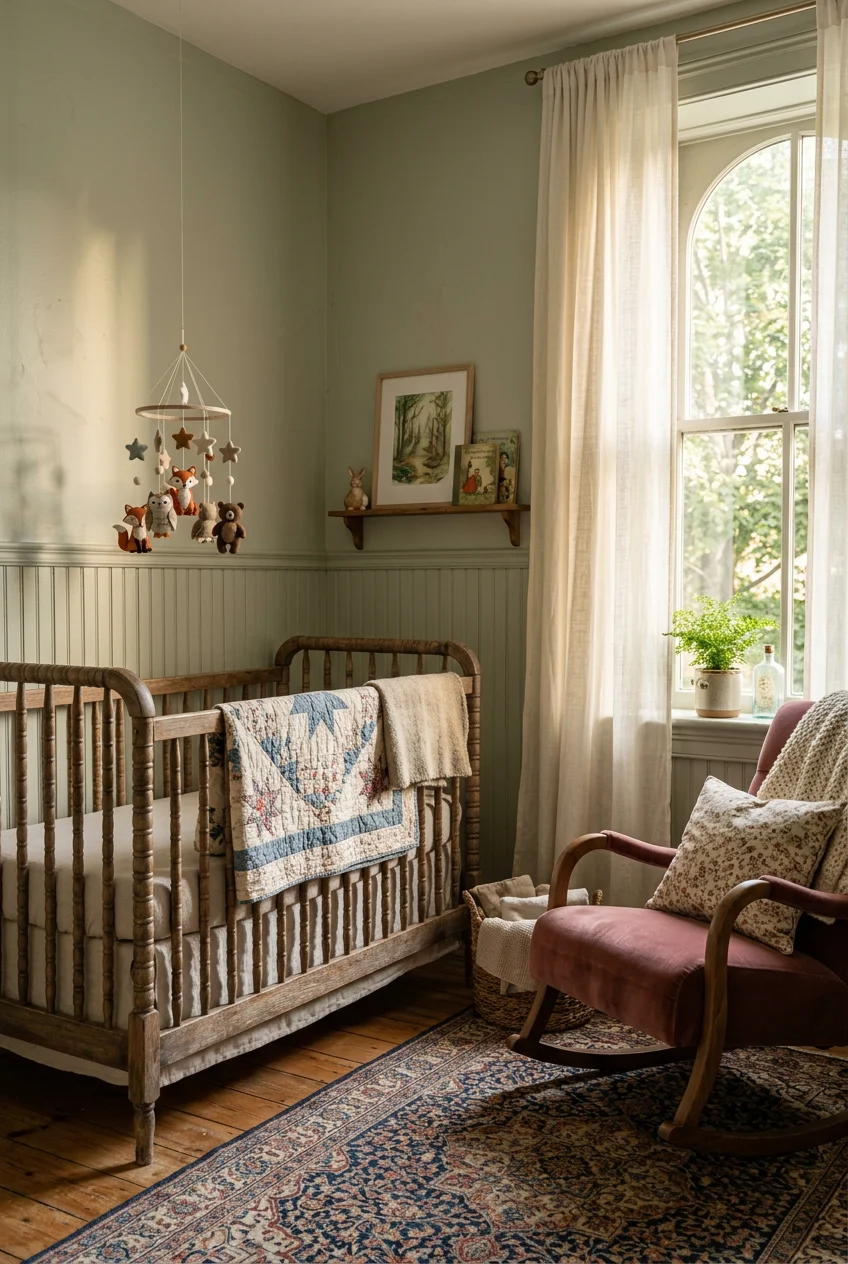
What’s Inside
- Start With A Warm, Earthy Color Palette For Your Vintage Nursery Decor Ideas
- Pick A Convertible Spindle Crib That Actually Lasts
- Turn An Antique Dresser Into Your Changing Station
- Incorporate Vintage-Inspired Wallpaper On An Accent Wall
- Buy A Performance Fabric Glider You Can Wipe Down
- Layer Natural Materials Like Rattan And Jute
- Limit True Vintage Pieces To One Or Two Items
- Build A Gallery Wall With Pencil Drawings And Postcards
- Choose Timeless Window Treatments For Your Vintage Nursery Decor Ideas
- Swap The Builder-Grade Boob Light For A Chandelier
- Skip The Rigid Theme Party Look
- Use Woven Baskets For Blankets Now, Toys Later
- Paint A Scratched Chest Of Drawers In High Gloss
- Check Every Antique For Lead Paint And Loose Parts
- Add Scalloped Edges To Your Shelving
- Install A Wooden Peg Rail For Displaying Clothes
- Lay Down A Washable Wool-Blend Vintage Rug
- Anchor The Room With A Heavy Brass Mirror
- Display Classic Hardcover Books On Acrylic Ledges
- Mix Metals On Your Hardware And Curtain Rods
I spent three weeks crying on the floor of my first daughter’s nursery back in 2018. The stark white walls and matching gray crib set looked like a pediatrician’s waiting room. It lacked any soul. If you want actual vintage nursery decor ideas, you’ve got to ditch the matching box sets and embrace weird, storied pieces. I tried the matching route for months before figuring it out. Last Tuesday at Trader Joe’s, I saw a pregnant woman buying three bags of peanut butter pretzels and staring blankly at a paint swatch. I knew exactly how she felt. Let’s walk through how to build a room that feels collected over time. I’ll give you specific pieces that won’t fall apart in a month, because nobody has time for fragile decor when managing a newborn. These aren’t just aesthetic concepts. They’re practical choices for a room that’ll see spilled milk, midnight rocking, and toddler tantrums. Trust me on this.
1. Start With A Warm, Earthy Color Palette For Your Vintage Nursery Decor Ideas

Move beyond stark whites and cool grays. I painted my first nursery a harsh, icy white and it constantly felt sterile. Trending right now are warm neutrals and earthy tones like sage green, terracotta, mushroom taupe, and soft clay blushes. Paint three walls in a warm cream like Sherwin-Williams Creamy SW 7012. A gallon costs about $75.00. Then use a muted forest green or gentle terracotta on an accent wall to add depth without overwhelming the space. The creamy undertones reflect natural light beautifully in the late afternoon. I buy my paint supplies at Walmart to save a few dollars on rollers and painter’s tape. The specific $9.98 Purdy roller covers they sell hold the cream paint perfectly without leaving fuzz on the walls. Skip the high-gloss finish on walls. It highlights every single drywall flaw. Stick to eggshell or flat for a softer, aged appearance.
2. Pick A Convertible Spindle Crib That Actually Lasts

Prioritize a high-quality, convertible crib that transitions from a crib to a toddler bed and eventually a full-size bed. I bought a cheap particleboard crib once and the screws stripped within six months. Learned that the hard way. While actual antique cribs rarely meet modern safety standards, brands like Namesake offer vintage-inspired designs. The Namesake Liberty 4-in-1 Convertible Spindle Crib ranges from $599.00 to $699.00 depending on the finish you choose. I bought the warm white version last October for a client. The spindle details look exactly like a 1920s antique, but it has the structural integrity of modern furniture. Look for models that are Greenguard Gold Certified for better indoor air quality. The solid wood construction means it won’t wobble when your toddler eventually starts jumping in it. You’re paying for the metal mattress support base, which doesn’t sag like the wooden slats on cheaper alternatives.
3. Turn An Antique Dresser Into Your Changing Station

Instead of buying a dedicated changing table that you’ll throw away in two years, an antique wooden dresser adds instant character and serves a dual purpose. Ensure the dresser is sturdy and the drawers open and close smoothly. I found a 1940s mahogany dresser at a local flea market for $150.00. I added a removable changing pad with a non-slip base. The Skip Hop Nursery Style Wipe-Clean Changing Pad costs $80.00 and is incredibly practical. The wipeable polyurethane surface means I don’t scrub spit-up out of fabric covers at 3 AM. I just wipe it with a paper towel. I secure the pad to the back of the dresser using heavy-duty Command Strips I grab at Target for $6.99. It prevents the pad from sliding when the baby kicks. Make sure the dresser is at least 34 inches tall, otherwise your lower back will ache after a week.

Beautiful Wooden Baby Closet Dividers Set of 7
A dependable everyday pick — Beautiful Wooden Baby Closet Dividers Set of 7 – Double-Sided Organize pulls in 11 ratings at 4.5 stars. Not flashy, just solid.
4. Incorporate Vintage-Inspired Wallpaper On An Accent Wall

Wallpaper is a dominant trend right now, with illustrative and subtle patterns gaining popularity. Choose a vintage floral, toile de Jouy, or a subtle geometric pattern for one accent wall to create visual interest. Brands like Wallpops and Chasing Paper offer peel-and-stick options. A standard roll of Chasing Paper’s vintage botanical print covers 50 square feet and costs $45.00. I installed this in a client’s home last month. The vinyl material is thick enough that it doesn’t tear when you reposition it. I made the mistake of buying thin, cheap wallpaper off Amazon two years ago. It stretched and warped the second I pulled the backing off. Spend the extra money on quality vinyl. It makes a massive difference in the installation process. You won’t end up with bubbling seams that peel away from the wall after a humid summer week.
5. Buy A Performance Fabric Glider You Can Wipe Down

You’ll spend countless hours in the nursery glider. Invest in a comfortable, well-made glider with performance fabric that resists stains. I originally bought a vintage velvet rocking chair because it looked beautiful. That was a terrible idea. It creaked loudly and the velvet stained the first time a bottle leaked. The Namesake Crawford Pillowback Comfort Swivel Glider in Blue Gingham offers a classic vintage design and eco-friendly performance fabric. It costs $599.00. Another option is the DaVinci Gabby Swivel Glider, which retails for $399.00 and has a high back to support your head during late-night feedings. The performance fabric on the Namesake glider actually repels liquid. When milk spills, it beads up on the surface long enough for me to grab a Kirkland baby wipe from Costco and clean it off without leaving a water mark.
6. Layer Natural Materials Like Rattan And Jute

Layering natural materials like light wood, linen, rattan, cotton, and wool adds depth and warmth to a room. Opt for a rattan storage basket for toys or blankets. The Lorena Canals Mushroom Basket costs $65.00 and hides bright plastic toys perfectly. I also use a chunky jute rug under the crib. The natural fibers bring a grounded, earthy feel to the room. I tried a synthetic shag rug once, and it trapped dirt and dog hair like a magnet. Natural wool or jute is much easier to vacuum. Add organic cotton crib sheets in a muted tone. I usually buy the Burt’s Bees Baby organic cotton fitted sheets for $19.99. The 100 percent cotton fabric gets softer with every wash and doesn’t pill like the cheap microfiber sheets do. Mixing these textures prevents the room from feeling flat. You might also like: 16 Nursery Paint Colors for Every Budget

Criusia Drawer Organizer Clothes
Criusia Drawer Organizer Clothes punches above its price — 1 buyers rated it 4.5 stars. I would buy it again.
7. Limit True Vintage Pieces To One Or Two Items

Instead of packing the room with old items, choose one or two storied vintage pieces to add charm. This could be a thrifted brass lamp, a unique handcrafted mirror, or a vintage wooden rocking horse. Etsy is an excellent resource for unique handmade or vintage items. Keep in mind that items must be at least 20 years old to be classified as vintage on their platform. I bought a 1970s brass duck figurine on Etsy for $35.00 and placed it on the bookshelf. It adds a quirky, personal touch. Don’t overdo it. If you add too many antiques, the room smells dusty and looks like a thrift store. You want a nursery, not an antique mall booth. One heavy, solid wood vintage side table next to your modern glider provides the perfect balance of old and new. You might also like: 20 Charming Small Nursery Ideas to Transform Your Space
8. Build A Gallery Wall With Pencil Drawings And Postcards

Personalize the space with a gallery wall featuring framed vintage children’s book illustrations, postcards, or family photographs. Mix color prints with more subdued black-and-white photos. You can combine a giclee print of a pencil drawing with bolder animal prints. This allows for a curated, personalized feel. I buy simple wooden frames from Walmart. Their Mainstays 8×10 natural wood frames cost $6.98 each and look surprisingly high-end when you add a custom mat board. I frame pages from damaged vintage Beatrix Potter books. The soft watercolor illustrations fit the vintage vibe perfectly. Just make sure you use acrylic glazing instead of actual glass in the frames. If a frame falls off the wall during an aggressive toddler tantrum, acrylic won’t shatter into a thousand dangerous shards on the carpet. You might also like: 16 Small Nursery Layout You Need to See
9. Choose Timeless Window Treatments For Your Vintage Nursery Decor Ideas

For vintage-inspired window treatments, consider Roman shades or draped options with layered screens made from natural textures like jute. Look for fabrics in soft vintage-inspired patterns such as tiny florals, checks, or simple stripes in blush and muted tones. I recently installed the Blinds.com Premium Woven Wood Shades in a client’s nursery. They cost about $145.00 per window. The woven texture filters light beautifully and enhances the vintage vibe. I always add a blackout liner to the back of the shades. The natural light looks pretty, but babies need total darkness to nap well. I learned this the hard way when my oldest woke up at 5:00 AM every summer morning because the sun peeked through her unlined linen curtains. A $30.00 blackout liner saves your sanity and keeps the room temperature regulated.

Delta Children Nursery Storage 48 Piece Set
Delta Children Nursery Storage 48 Piece Set – Easy Storage/Organizatio punches above its price — 17 buyers rated it 4.5 stars. I would buy it again.
10. Swap The Builder-Grade Boob Light For A Chandelier

Don’t settle for bland, flush-mount lighting. A vintage chandelier or an antique accent lamp makes a stylish statement. A chandelier with milk glass teardrops or an antique glass table lamp adds a unique touch. I replaced a cheap plastic ceiling fan with a brass and milk glass chandelier I found at a flea market for $85.00. It completely changed the room’s atmosphere. You must ensure all electrical components are updated and safe for a nursery environment. I pay a local electrician $100.00 to rewire antique fixtures before I hang them. Old cloth wiring is a massive fire hazard. Also, put the main overhead light on a dimmer switch. You don’t want to turn on a blinding 60-watt bulb when you walk in for a 2 AM diaper change. A dimmer switch costs $24.99 at any hardware store.
11. Skip The Rigid Theme Party Look

A common mistake is designing a nursery like a theme party with characters or rigid themes that quickly become outdated. Instead, focus on a loose, personal narrative that grows with the child. For instance, a modern woodland theme uses abstract tree forms and muted forest palettes rather than cartoonish animals plastered on every surface. I once decorated a room entirely in a nautical theme. I bought anchor sheets, a ship wheel mirror, and navy striped rugs. By the time my son was two, he hated boats and the room looked ridiculous. Choose a feeling rather than a strict theme. Focus on colors, textures, and a few subtle nods to your interests. A vintage botanical room just needs floral wallpaper and some green velvet curtains, not literal fake vines hanging from the ceiling.
12. Use Woven Baskets For Blankets Now, Toys Later

Choose furniture that serves more than one purpose to save space and adapt as your child grows. A large wicker or woven basket can store nursery blankets initially and later hold wooden blocks or stuffed animals. I frequently buy large French market baskets on Etsy for around $45.00. They have sturdy leather handles and hold their shape well. A quality bookshelf remains useful from storing thin children’s board books to displaying chapter books and decor as they age. I use the IKEA Hemnes bookcase, which costs $199.00. I swap out the cheap factory knobs for heavy brass pulls to make it look like an antique piece. Don’t buy those tiny, baby-specific bookshelves. They hold exactly ten books and become entirely useless by the time your child turns three. You’re just wasting money.

Criusia Over the Door Organizer
If you want something that just works, Criusia Over the Door Organizer is a safe bet (218 reviews, 4.5 stars).
13. Paint A Scratched Chest Of Drawers In High Gloss

Give old pieces new life by painting them. Cara Mayes of Grey House Interiors suggests using a high sheen paint or lacquer for an extra twist. A vintage chest of drawers refinished in a vibrant coral paint with contemporary brass hardware feels entirely updated. I found a scratched, ugly 1980s pine dresser on Facebook Marketplace for $40.00. I sanded it down and painted it with Benjamin Moore Advance paint in a high-gloss finish. The paint costs $32.99 a quart. Ensure the paint is zero-VOC and child-safe. The curing process for high-gloss paint takes about three weeks, so don’t paint furniture right before your due date. The hard, glossy shell is incredibly durable and wipes clean with a damp rag. It hides the wood’s imperfections while adding a modern reflection to the room.
14. Check Every Antique For Lead Paint And Loose Parts

While incorporating vintage pieces adds charm, always prioritize safety above aesthetics. For key items like cribs and car seats, it’s best to buy new to ensure they meet current safety standards. For decorative vintage items, check for sharp edges, small detachable parts, and lead paint. I bought a beautiful antique wooden toy chest, but the lid didn’t have a soft-close hinge. It slammed shut with terrifying force. I had to install a $15.98 heavy-duty soft-close support hinge from Home Depot before I let it near my kids. I also test every painted vintage item with a 3M LeadCheck swab. A pack of two swabs costs $11.99. If the swab turns pink, the item has lead paint and immediately goes into the trash. Never take a risk with old paint in a room where a baby will eventually chew on everything.
15. Add Scalloped Edges To Your Shelving

Scalloped forms are a delicate pattern adding childhood charm to nursery designs right now. This could be incorporated through scalloped-edged curtains, wall shelves, or even a scallop-trimmed bed skirt. I bought a scalloped jute rug from the Pillowfort line at Target for $70.00. The wavy edges break up the straight, rigid lines of the crib and dresser. While scalloped details are popular, use them sparingly to maintain a timeless feel. If you have scalloped shelves, a scalloped rug, and scalloped curtains, the room starts looking like a cartoon bakery. I stick to one or two scalloped elements. A simple wooden wall shelf with a scalloped trim, priced around $35.00 on Etsy, is the perfect spot to display a few vintage wooden toys or a small potted plant.
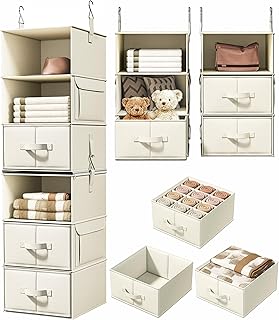
Vailando 6-Shelf Hanging Closet Organizer with 3 Drawers
A dependable everyday pick — Vailando 6-Shelf Hanging Closet Organizer with 3 Drawers pulls in 35 ratings at 4.5 stars. Not flashy, just solid.
16. Install A Wooden Peg Rail For Displaying Clothes

A shaker-style wooden peg rail is a classic vintage element that provides practical storage. I install these in almost every nursery I design. You can hang tiny outfits, canvas storage bags, or decorative items from the pegs. The Container Store sells a simple 4-peg wooden rack for $24.99. I mount it about four feet off the ground. Last week, I grabbed some fresh dried lavender from Sprouts for $6.99 and hung it upside down from the peg rail in a canvas tote. It adds a subtle, natural scent to the room without relying on artificial air fresheners. The peg rail keeps frequently used items like light jackets or sleep sacks off the floor and within arm’s reach. It’s a functional architectural detail that makes blank walls look intentionally styled.
17. Lay Down A Washable Wool-Blend Vintage Rug

A beautiful vintage Persian rug anchors a room, but real antique wool rugs cost thousands of dollars and are impossible to clean when a diaper blowout happens. I use washable rugs with vintage patterns instead. The Ruggable Kamran Hazel Rug costs $199.00 for a 5×7 size. It features a distressed, traditional medallion pattern that mimics a faded antique rug. When it gets dirty, I peel the top layer off the velcro pad and shove it in my washing machine. I tried using a real antique rug I found at an estate sale. It smelled faintly of mothballs for six months, no matter how much baking soda I dumped on it. The washable versions give you the exact visual aesthetic of a 19th-century rug without the lingering odors or the massive dry-cleaning bills.
18. Anchor The Room With A Heavy Brass Mirror

A large mirror reflects light and makes a small nursery feel twice as big. A vintage-style ornate brass mirror adds instant elegance. Anthropologie sells the famous Gleaming Primrose mirror, but it costs nearly $500.00 for the smallest size. I found a nearly identical arched brass mirror in the Kroger home decor aisle for just $69.99. I hung it securely above the dresser. You must use heavy-duty drywall anchors. I use the E-Z Ancor Toggle Anchors that hold up to 100 pounds. They cost $14.98 for a pack of ten. Never hang a heavy mirror in a child’s room using just a simple nail. If the baby bumps the dresser hard enough, a poorly secured mirror will crash down. Secure mounting is non-negotiable when dealing with heavy glass.
19. Display Classic Hardcover Books On Acrylic Ledges

Vintage hardcover children’s books feature incredible cover art that shouldn’t be hidden on a traditional bookshelf. I use clear acrylic floating shelves to display them face-out. A pack of four 15-inch acrylic shelves costs $22.99 on Amazon. The modern, invisible look of the acrylic lets the vintage book covers act as the actual wall art. I scour thrift stores for old editions of Winnie the Pooh or The Secret Garden. I was eating a bag of organic apple slices from Whole Foods last month while reading a 1960s copy of Peter Pan to my daughter. The thick, textured paper and cloth covers feel entirely different from modern glossy board books. The acrylic shelves keep the delicate books out of reach of sticky toddler fingers while still adding color to the room.
20. Mix Metals On Your Hardware And Curtain Rods

Don’t feel restricted to matching all the metal finishes in the room. A true vintage space looks collected over time, and matching hardware ruins that illusion. I like to mix unlacquered brass dresser knobs with matte black curtain rods. I buy the Franklin Brass 1.18-inch round knobs for $18.99 a ten-pack. The brass warms up the room, while the black iron rods add a slight industrial edge. I made the mistake of using brushed nickel for every single metal surface in my first house. It looked incredibly dated and flat. Mixing metals gives the eye different textures to process. Just stick to two metal finishes maximum. If you mix brass, black, chrome, and copper, the room looks chaotic and disorganized. Two finishes provide contrast without causing visual clutter. Took me years to figure out.
Designing a nursery shouldn’t involve buying a matching 10-piece set from a big box store and calling it a day. The best vintage nursery decor ideas rely on mixing textures, prioritizing safety, and choosing pieces that actually function well at 3 AM. I’ve made plenty of mistakes, from buying un-wipeable velvet chairs to hanging heavy mirrors on flimsy nails. Learn from my errors. Focus on the wipeable changing pads, the dimmable lights, and the washable rugs. If you found this breakdown helpful, pin this article to your nursery inspiration board on Pinterest so you can reference these exact product prices and paint colors when you’re ready to start decorating. No exaggeration.
Frequently Asked Questions
Are vintage cribs safe to use in a nursery?
Actual antique cribs rarely meet modern safety standards and should be avoided. Instead, purchase a new, Greenguard Gold Certified crib with a vintage-inspired spindle design to get the aesthetic without compromising on drop-side risks or improper slat spacing.
What colors work best for a vintage nursery?
Warm, earthy tones are ideal. Avoid stark whites and opt for shades like sage green, terracotta, mushroom taupe, and warm cream. These colors reflect natural light beautifully and create a grounded, cozy environment.
How can I use an antique dresser safely?
Ensure the dresser is structurally sound and at least 34 inches tall to prevent back strain. Secure a wipeable changing pad to the back using heavy-duty Command strips, and always anchor the dresser to the wall to prevent tipping.
How do I clean vintage items before putting them in the nursery?
Wipe down solid wood with a mild soap and water solution. Always test painted antiques with a lead testing swab. If it tests positive for lead, discard the item. For vintage fabrics, professional dry cleaning is recommended before use.
