What’s Inside
- Spider Plants: The Safest Plant Nursery Ideas
- Parlor Palms in Low Light
- Boston Ferns for Natural Humidity
- Skip the Toxic Traps
- High Shelves and Hanging Planters
- Lightweight Plastic Pots
- Organic Baby-Safe Fertilizer
- Succulents for Nighttime Oxygen
- Biophilic Design with Rattan
- Ditch the Strong Fragrances
- The Never Over the Crib Rule
- Botanical Wallpaper for Easy Plant Nursery Ideas
- The IKEA Plant Cabinet Hack
- Soil Grids for Floor Plants
- Heavy Cement Pots for Stability
- Peperomia on the Dresser
- Prayer Plants for Visual Interest
- Areca Palms for Empty Corners
- Involving Older Siblings
- Muted Terracotta Color Palettes
Last Tuesday at Whole Foods, I bought a gorgeous $14.99 Pothos for a client’s space, forgetting it’s toxic to babies. I had to frantically return it before the mom saw. That panic is exactly why I’m writing this guide to safe nursery plants. Finding the right greenery isn’t just about grabbing what looks pretty in the floral aisle. I’ve ruined expensive rugs with muddy water and nearly poisoned my own kid with a toxic leaf. Learned that the hard way. When you’re planning a botanical theme, you need a strategy that works for sleep-deprived parents. Let’s fix those rookie mistakes.
1. Spider Plants: The Safest Plant Nursery Ideas

If you’re looking for an easy entry into greenery, Spider Plants are my absolute favorite. I’m obsessed with how they look cascading off a high shelf. For a standard 10×12 foot room, an expert I trust recommends exactly three mature plants to optimize air purification. I usually buy the 8-inch potted ones from Target for about $14.99. The leaves have a smooth, rubbery texture that won’t snap if a toddler grabs one. Plus, they’re non-toxic. I’ve killed plenty of houseplants by overwatering, but these are incredibly forgiving. You just need to pour about 1/2 cup of water into the soil once a week. The damp earth smell is soothing, and you won’t stress about toxic sap. Just make sure the pot has good drainage. Or the roots get mushy and smell like rotting cabbage.
2. Parlor Palms in Low Light

Most babies need pitch-black rooms to nap. That means your nursery isn’t getting much sunlight. I tried forcing a sun-loving plant into a dark corner for months before figuring it out. It dropped crispy, brown leaves all over the carpet. You need low-light options if you’re keeping the blackout curtains drawn. The Parlor Palm is perfect. I grabbed a gorgeous 10-inch one at Sprouts last month for $22.99. It thrives in the shadows and adds a soft, feathery texture. The fronds feel like thin paper and rustle quietly when the AC kicks on. I’m constantly recommending this plant because it won’t punish you for keeping the room dark. Give it about 4 oz of water every ten days, and it’ll stay vibrant green.
3. Boston Ferns for Natural Humidity

Dry winter air is brutal on a baby’s skin. I’m not a fan of those loud, crusty humidifiers that require constant cleaning. Instead, I use Boston Ferns to increase humidity. These fluffy, bright green plants release moisture back into the air. I keep a cheap $3.99 plastic spray bottle from Kroger right next to the changing pad. Every morning, I mist the fern with about 2 tablespoons of water. The fine mist settles on the tiny leaves, making the room smell like a fresh rainstorm. It’s such a calming sensory experience. Just remember, Boston Ferns are messy if they dry out. I’ve vacuumed up thousands of tiny dead leaves because I forgot to water mine. Keep the soil consistently damp, but not soaking wet.

Criusia Over the Door Organizer
A dependable everyday pick — Criusia Over the Door Organizer pulls in 208 ratings at 4.5 stars. Not flashy, just solid.
4. Skip the Toxic Traps

This is a massive common mistake. Most people buy whatever trendy plant they see on Instagram. I’m guilty of this myself. I once bought a massive Dieffenbachia for my daughter’s room before realizing the sap can swell a child’s airway. It’s terrifying. You must prioritize non-toxic plants exclusively. Skip the Pothos, Philodendron, English Ivy, and Snake Plants. They’re toxic if ingested. Instead, stick to verified safe options like Peperomia or Christmas Cactus. I always check the ASPCA toxic plant list before bringing anything home. If you aren’t 100 percent sure, don’t buy it. A $12 plant isn’t worth a trip to the emergency room. I’ve learned to love the safe varieties, and the peace of mind is priceless. If you’re gifted a toxic plant, just smile, say thank you, and re-home it.
5. High Shelves and Hanging Planters

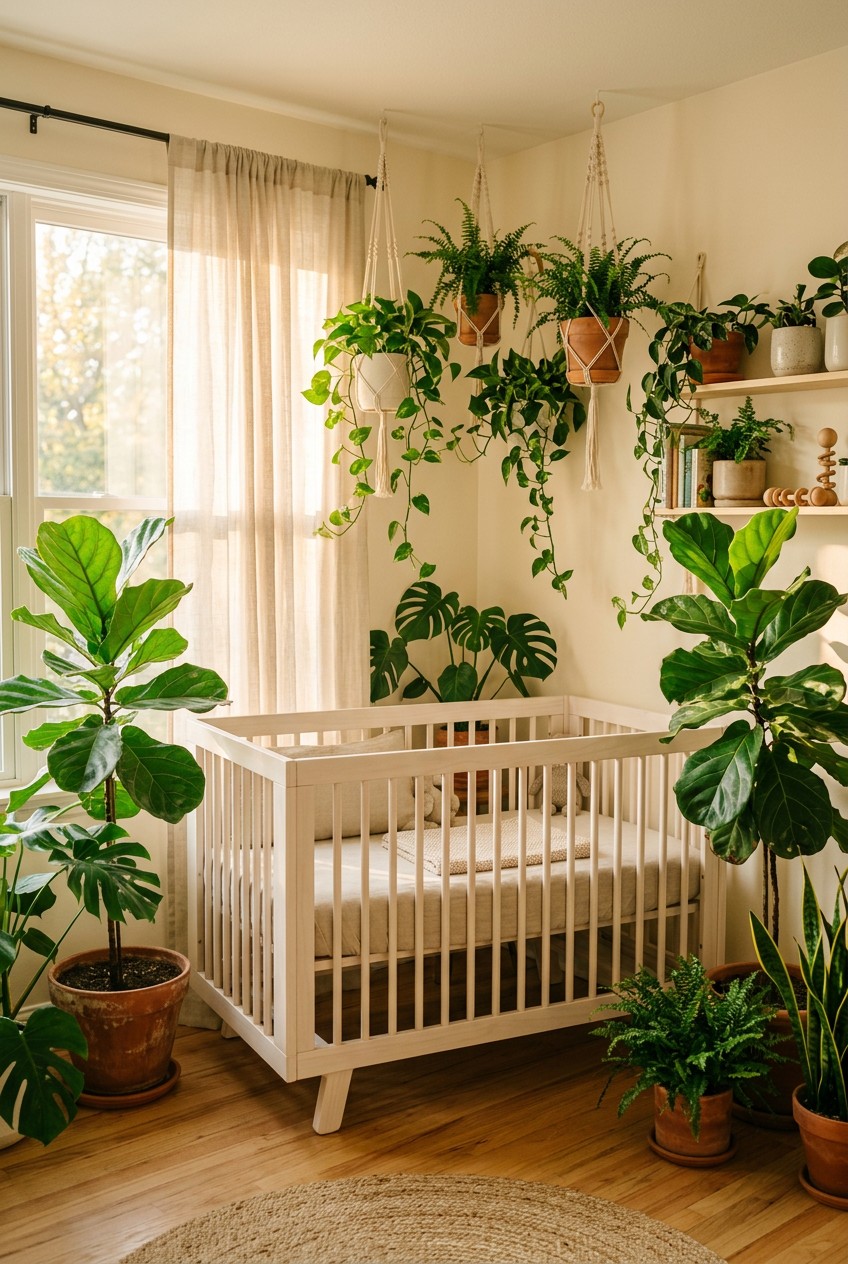
Curious hands grab anything within reach. I’ve watched a toddler pull a heavy ceramic pot straight down onto his own head. It was awful. You need to place plants out of reach and ensure stability. I’m a huge fan of hanging planters for this reason. I buy those simple cotton macrame hangers from Walmart for $6.98 each. They add a great boho texture, and the baby can’t touch the dirt. If you’re using shelves, mount them high. Make sure you’re drilling into a stud. A shelf full of wet soil is heavy. I’ve seen drywall anchors rip out of the wall, leaving a massive, powdery hole and a huge mess. Always use a stud finder. It takes two extra minutes but saves you from a disaster.
6. Lightweight Plastic Pots

I know ceramic pots look beautiful, but they’re basically heavy bowling balls waiting to fall. If a toddler knocks over a glazed ceramic planter, it shatters into razor-sharp shards. I tried this wrong for months before figuring it out. Now, I exclusively use lightweight, durable plastic pots for any plant sitting on a dresser. Target sells these matte plastic pots for $8.00 that look exactly like real stone. You can’t even tell the difference until you pick them up. If they fall, they just bounce off the rug. The plastic is warm to the touch and won’t scratch your furniture. Save the heavy, breakable stuff for your living room where the kids aren’t crawling around. You might also like: 20 Stunning Layout Small Nursery Ideas That Are Totally Worth It

Beautiful Wooden Baby Closet Dividers Set of 7
A dependable everyday pick — Beautiful Wooden Baby Closet Dividers Set of 7 – Double-Sided Organize pulls in 11 ratings at 4.5 stars. Not flashy, just solid.
7. Organic Baby-Safe Fertilizer

You can’t just pour bright blue chemical fertilizer into a nursery plant. If a leaf drops and your baby chews on it, those chemicals are going straight into their mouth. I’m strict about using organic, baby-safe fertilizers. My go-to is Back to the Roots Organic Indoor Plant Food. It costs about $12.99 for an 8 oz bottle at Whole Foods. It smells earthy, like wet cardboard, but it’s safe. I also use Ugarit 10-0-5, which runs around $24.00 for a larger jug. Once a month, I mix exactly 1/2 cap of the liquid with a quart of water and drench the soil. The plants explode with new growth, and I don’t have to panic about chemical residue. You might also like: 20 Creative Crib Bedding Ideas to Transform Your Space
8. Succulents for Nighttime Oxygen

Most plants absorb oxygen and release carbon dioxide at night. It’s not a huge deal, but if you want to optimize air quality while your baby sleeps, succulents are the secret weapon. They actually continue to produce oxygen all night. I always place a non-toxic succulent, like a Blue Echeveria, on the windowsill. I found a powdery-blue one at Trader Joe’s last week for just $4.99. The leaves are thick and fleshy, feeling like smooth rubber. They’re incredibly low maintenance. I give it 1 tablespoon of water every three weeks. If you overwater them, they turn to mush and smell awful. Just leave them alone, let them soak up the sun, and let them clean the air while your baby sleeps. You might also like: 20 Clever Daycare Nursery Room Ideas You Can Try Today
9. Biophilic Design with Rattan

If you’re tracking the 2026 trends, biophilic design is everywhere. It’s all about integrating natural elements to create a soothing atmosphere. You don’t just want a random plant in a sterile room. You want to blend the greenery with natural textures. I’m obsessed with pairing soft green leaves with woven rattan, rough jute, and smooth bamboo. I recently bought a chunky jute rug from Target for $89.00, and it changed the room’s vibe. The rough texture of the rug contrasts beautifully with the delicate fronds of a Parlor Palm. When you mix earthy materials with live plants, the room feels like a sanctuary. It’s a grounded feeling you can’t get with synthetic plastics and neon colors.

Criusia Drawer Organizer Clothes
Criusia Drawer Organizer Clothes has been one of the most consistently praised picks in this category. 1 reviewers averaged 4.5/5.
10. Ditch the Strong Fragrances

I love the smell of jasmine, but I’d never put it in a nursery. Strong scents are overpowering for tiny, sensitive noses. I once put a blooming lavender plant in a client’s nursery, thinking it would help the baby sleep. Instead, the intense floral smell gave the mom a headache, and the baby cried all night. It was a disaster. Avoid fragrant plants. Stick to plants that smell like nothing, or have a faint, clean earthy scent. The air in the nursery should smell fresh and neutral. Save the fragrant blooms for your kitchen. A baby’s respiratory system is delicate, and you don’t want to agitate it with heavy, cloying perfumes from indoor flowers.
11. The Never Over the Crib Rule

This is my biggest pet peeve. I see so many gorgeous nursery photos on Pinterest with a massive, trailing plant hanging directly over the crib. Don’t do this. It’s a terrible idea. Leaves die and fall off. Dirt spills. Water drips. I’ve personally woken up to a face full of crusty potting soil because a hanging plant got bumped. You do not want that falling into your baby’s crib. Ensure plants are offset from the crib, the changing table, or the rocking chair. I always place my hanging planters in the empty corners of the room. It draws the eye upward, makes the ceiling look taller, and keeps the mess far away from where the baby sleeps. It’s a simple safety rule. Trust me. Plus, when the plant is in the corner, you won’t hit your head on the pot at 3 AM.
12. Botanical Wallpaper for Easy Plant Nursery Ideas

Sometimes, keeping a live plant alive is too much work. If you’re exhausted from midnight feedings, you might not want another living thing to care for. That’s fine. You can still get that lush, green aesthetic with botanical wallpaper. This is a massive trend for 2026. I love the Hua Trees Wallpaper Mural from Anewall. It costs about $129.00 per panel, but the visual impact is stunning. The matte paper feels textured, and the muted sage tones are calming. I also use Watercolor Leaf Wall Decals from Livette’s Wallpaper for a cheaper, peel-and-stick option. You get the beautiful visual of a plant-filled room without ever having to water anything. It’s the perfect low-stress alternative.

Delta Children Nursery Storage 48 Piece Set
Delta Children Nursery Storage 48 Piece Set – Easy Storage/Organizatio punches above its price — 17 buyers rated it 4.5 stars. I would buy it again.
13. The IKEA Plant Cabinet Hack

If you’re a serious plant collector and want to keep your exotic, humidity-loving species in the nursery, you need a plant cabinet. This is a brilliant way to keep delicate plants safe from toddlers. I turned an IKEA Milsbo glass display cabinet (it costs exactly $229.99) into a mini-greenhouse. I added cheap $15.00 grow lights from Amazon to the top shelves. The glass doors keep the humidity trapped, so the plants thrive, and the heavy metal lock keeps little fingers out. The metal shelves feel industrial, but when they’re packed with foliage, it looks like a magical terrarium. It’s a stunning focal point, and you won’t have to worry about the baby eating a rare leaf.
14. Soil Grids for Floor Plants

If you decide to put a large floor plant in the nursery, you have to protect the soil. Toddlers love dirt. They will dig in it, throw it, and try to eat it. I spent an entire afternoon vacuuming damp potting soil out of a white shag rug because my nephew decided to play in a potted palm. Now, I always use a Plant Pot Grid Flower Pot Cover. You can buy them on eBay for about $5.99. They’re hard plastic grids that snap together over the top of the soil. The plastic is rigid and blocks access to the dirt, but the grid holes still let water through. It’s a cheap, ugly piece of plastic, but it sits below the rim of the pot so you can’t even see it.
15. Heavy Cement Pots for Stability

While I recommend plastic for small shelf plants, floor plants are a different story. If you have a massive Areca Palm on the floor, you need to make sure a toddler can’t tip it over. For large plants, I exclusively use heavy, thick cement pots. I found an incredible ribbed cement planter at Costco last month for $39.99. It easily weighs 40 pounds when filled with wet soil. The exterior has a rough, gritty texture that feels like sandpaper. A crawling baby can push on it all day, and it won’t budge. Yes, they’re a pain to move when you want to vacuum, but the safety factor is non-negotiable. If it’s on the floor, it needs to be immovable.

StorageWorks Hanging Closet Organizer with Metal Rod
StorageWorks Hanging Closet Organizer with Metal Rod punches above its price — 18 buyers rated it 4.5 stars. I would buy it again.
16. Peperomia on the Dresser

If you just want one simple, cute plant to sit next to the baby wipes, grab a Peperomia. They are non-toxic and resilient. I bought a tiny 4-inch potted Peperomia at Whole Foods for $6.99, and it’s been thriving on my client’s changing table for a year. The leaves look like little green coins and have a thick, waxy texture. They hold onto water, so you only need to give them about 2 ounces of water every two weeks. I’ve dropped this plant on the hardwood floor, scooped the dirt back in, and it didn’t even drop a leaf. It adds a perfect pop of bright green next to the diaper caddy, and you won’t panic if your baby snatches a leaf.
17. Prayer Plants for Visual Interest

Babies love high-contrast visuals and movement. That’s why the Prayer Plant is a brilliant addition to a nursery. The leaves have stunning, dark green and bright pink stripes. But the best part is that the plant moves. As the sun goes down, the leaves fold upward like hands in prayer. I sit in the rocking chair and can actually hear the faint, papery rustle of the leaves shifting in the evening. I usually pick these up at Sprouts for around $16.99. They do require a bit more attention, though. The soil needs to stay slightly damp. If you let it dry out, the edges of the leaves turn brown and crispy. Keep it on a high shelf where the baby can watch it move.
18. Areca Palms for Empty Corners

Every nursery has that one awkward, empty corner. An Areca Palm is the perfect solution. It’s non-toxic and grows quite large, filling up empty vertical space beautifully. I bought a 3-foot tall one at Walmart for $28.48. The long, arching fronds add a tropical, airy feel. They also naturally boost the humidity, which is a huge bonus. However, they’re thirsty. I pour exactly 2 cups of water into the base every Sunday. If you forget, the tips of the fronds get sharp and yellow. I love the dramatic shadows the palm leaves cast on the wall when the nightlight is turned on. It creates a serene, jungle-like vibe for late-night feedings.
19. Involving Older Siblings

If you’re bringing a new baby home to an older sibling, the transition can be rough. I’m a big believer in giving the older child a special job in the nursery. Having them care for a specific plant is a perfect learning experience. I bought my three-year-old a tiny Christmas Cactus from Target for $5.99. We painted the terracotta pot together. Every Saturday, I let him pour exactly 1 tablespoon of water into the soil. The Christmas Cactus is non-toxic, doesn’t have sharp spines, and the segmented leaves feel smooth. It teaches him to be gentle in the baby’s room. Plus, when it blooms with those bright pink flowers in the winter, he feels so proud of his hard work.
20. Muted Terracotta Color Palettes

When you’re pulling these nursery ideas together, the color palette matters just as much as the plants. You don’t want a chaotic mix of neon plastic pots. For a cohesive 2026 aesthetic, stick to a Botanical Serenity theme. I always pair the green foliage with muted terracotta and warm sage accents. I buy raw terracotta pots from Home Depot for $2.98 each. They feel chalky and porous, and they naturally absorb excess water from the soil, which helps prevent root rot. The warm, rusty orange color of the clay looks beautiful against soft white walls and wood cribs. It grounds the space and makes the room feel like a professionally designed sanctuary rather than a greenhouse.
Honestly, creating a safe, beautiful space doesn’t have to be overwhelming. I’ve made all the mistakes so you don’t have to. If I had to pick one thing to start with, I’d suggest grabbing a simple Spider Plant and a cheap plastic pot. It’s the easiest way to dip your toes into these plant nursery ideas without losing your mind. You’re already juggling a million things with a new baby. Let’s keep the greenery simple, safe, and stress-free. If you found these tips helpful, save this post and pin it to your nursery mood board for later!
Frequently Asked Questions
Are spider plants safe for a baby nursery?
Yes, Spider Plants are completely non-toxic and one of the safest plant nursery ideas available. They also help purify the air. Just be sure to keep them on a high shelf or in a hanging planter so your baby can’t reach the pot.
How many plants should I put in a nursery?
For a standard 10×12 foot room, experts recommend about three mature plants to optimize air purification. This provides excellent benefits without cluttering the space. Just ensure every single plant you choose is verified as non-toxic for children.
Are succulents safe to keep in a baby’s room?
Many succulents, like the Blue Echeveria, are non-toxic and perfectly safe. They are actually great for nurseries because they continue to release oxygen at night. However, avoid toxic varieties like Aloe Vera, which can cause stomach issues if ingested.
Should I put a hanging plant over the crib?
No, you should never hang a plant directly over a crib or changing table. Dropping leaves, dripping water, or falling soil can create a messy and unsafe environment for your baby. Always place hanging planters in empty corners instead.
