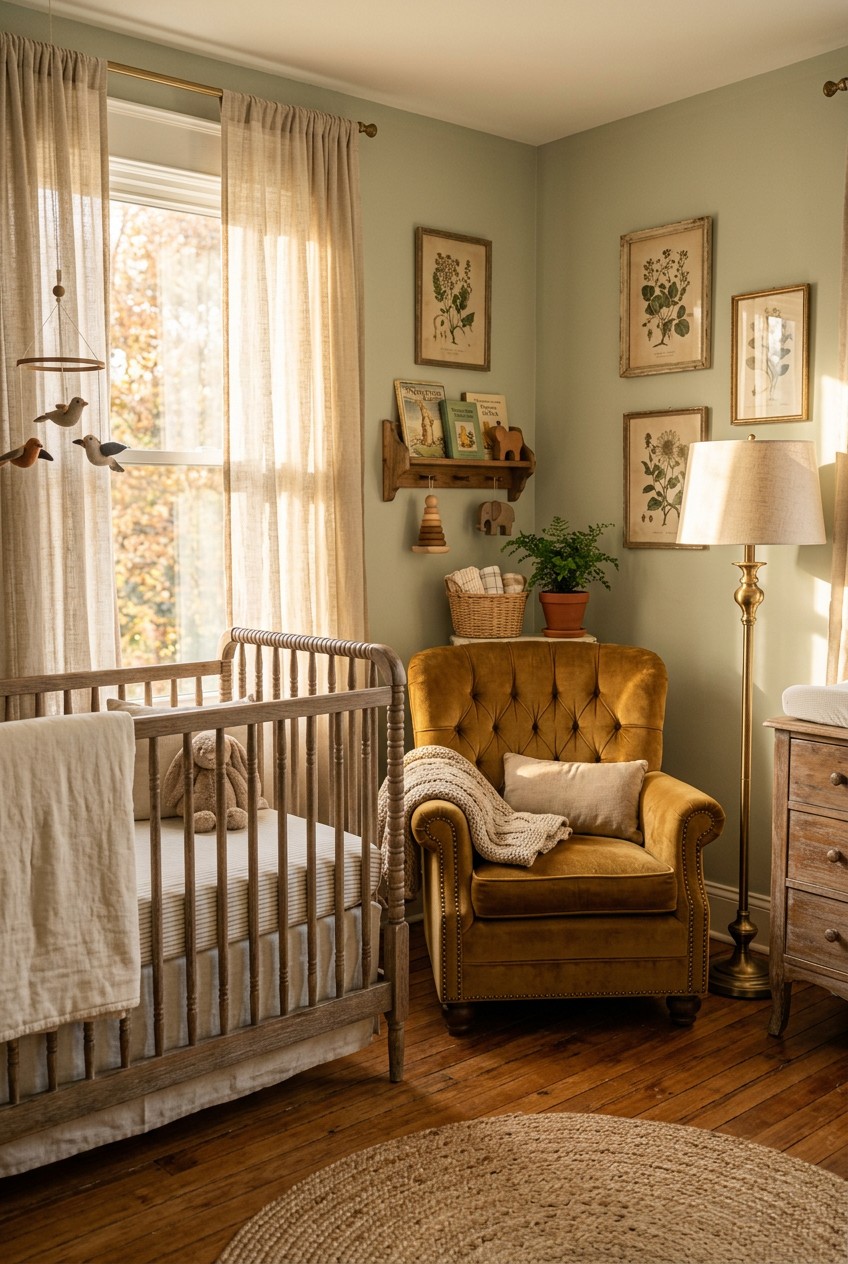
What’s Inside
- Embrace a Muted, Earthy Color Palette
- Invest in a Jenny Lind Style Crib for Classic Appeal
- Incorporate Wallpaper for Authentic Vintage Boy Nursery Ideas
- Choose the Right Rug Size for Comfort and Safety
- Source Heirloom-Quality Solid Wood Furniture
- Prioritize Safety with All Vintage Finds
- Curate a Gallery Wall with Vintage Art Prints
- Select Period-Appropriate Warm Lighting
- Incorporate Functional Vintage Storage Baskets
- Add Sentimental Touches with Family Heirlooms
- Don’t Shy Away from Rich Pops of Color
- Consider a Convertible Crib for Longevity
- Repurpose an Old Dresser into a Changing Table
- Use Mid-Century Modern Vintage Boy Nursery Ideas
- Hand-Paint a Wall Mural with a Cheap Projector
- Turn Thrifted Flat Sheets into Custom Curtains
- Style Bookshelves with Vintage Accessories
- Choose Classic Wooden Toys Over Plastic
I sat on the floor of my son’s empty room at 2 AM, crying over a puddle of spilled gray paint that smelled like wet dog. I thought I wanted a modern, minimalist space, but the cold gray walls felt like a sterile doctor’s office. That night, I scrapped my plans and started looking into vintage boy nursery ideas. If you’re looking for vintage boy nursery ideas that actually feel warm and lived-in, you’re in the right place. I’m Lauren, and I design nurseries for a living. I’ve made every mistake in the book, from buying toxic vintage dressers to gluing curtains to my own shirt. Let’s build a room that smells like fresh cedar and looks like a classic storybook, without repeating my expensive disasters. Learned that the hard way.
1. Embrace a Muted, Earthy Color Palette

I’ll never forget standing in the paint aisle at Home Depot, overwhelmed by fifty shades of baby blue. Skip the traditional pastel blue. It’s overdone and feels dated. Instead, you need soft, muted colors that ground the room. Think dusty blue, sage green, or warm browns. I recently painted a client’s accent wall in Behr’s Royal Orchard green. A 1-gallon bucket costs exactly $34.98, and it dries down to this rich, velvety forest tone. It smells a bit strong on day one, so keep the windows open. If you want something softer, Sherwin Williams Evergreen Fog is a hit right now. It runs about $45 a gallon but covers beautifully in one coat. I stopped at Whole Foods last Tuesday to grab a coffee while covered in Evergreen Fog paint splatters. The cashier asked if I was a professional painter. I just laughed. Darker, earthy tones make the room feel like a cozy den. It’s the perfect backdrop for brass accents and natural wood tones.
2. Invest in a Jenny Lind Style Crib for Classic Appeal

The Jenny Lind spindle crib is the ultimate cheat code for a vintage aesthetic. It has these gorgeous turned-wood spindles that cast beautiful striped shadows across the floor during afternoon naps. If you have the budget, the Crate & Kids Jenny Lind Heirloom Convertible Crib is stunning. It retails between $1,299.00 and $1,449.00 and feels sturdy. But honestly, I’m a fan of hunting for a bargain. I scoured Facebook Marketplace for weeks and finally found a vintage Jenny Lind crib for $30. I thought I could just slap some white paint on it and call it a day. That was a mistake. The paint peeled off in thick, rubbery strips within a week. You absolutely have to sand these down properly and use a non-toxic primer. It takes elbow grease, but the result is a custom, heirloom-quality piece that anchors your entire room. Plus, it’s gender-neutral, so you won’t need to buy a new one if you have more kids down the line.
3. Incorporate Wallpaper for Authentic Vintage Boy Nursery Ideas

Wallpaper is non-negotiable if you want authentic vintage boy nursery ideas. Bare walls just don’t capture that nostalgic, collected feeling. You want patterns like classic plaids, subtle ticking stripes, or woodland motifs. I’m obsessed with vintage hot air balloon prints. Wallshoppe sells a gorgeous, sustainably made retro balloon wallpaper for about $58 per roll. It has a slightly textured, matte finish that feels high-end. I tried installing traditional paste wallpaper myself last year. I ended up with glue in my hair and bubbles the size of dinner plates all over the wall. It was a disaster. Do yourself a favor and buy the peel-and-stick versions from brands like Project Nursery. They are thick, forgiving, and you can easily peel them back if you line up a seam incorrectly. Just make sure you wipe your walls down with a damp cloth before applying. Even a tiny speck of dust will show up as a bump under the paper.

Criusia Drawer Organizer Clothes
If you want something that just works, Criusia Drawer Organizer Clothes is a safe bet (1 reviews, 4.5 stars).
4. Choose the Right Rug Size for Comfort and Safety

Most people get rug sizing wrong. I see it all the time. They buy a tiny 3×5 foot rug, plop it in the middle of the floor, and it looks like a floating postage stamp. For most standard nurseries, a 4×6 foot rug is the absolute minimum. If you have a medium to large room, you need a 5×7 or 6×9 foot rug. It needs to anchor the crib and the rocking chair. I bought a cheap, high-pile shag rug once. It was a nightmare. I tripped over it constantly while carrying my baby at 3 AM. You want a pile height between 0.75 and 1.25 inches. It gives you enough cushioning for when your toddler inevitably tumbles, but it’s flat enough that you won’t trip. Target has a great line of vintage-inspired, low-pile Persian-style rugs right now for around $120. They are soft underfoot and hide spit-up stains like a dream. Always add a thick felt rug pad underneath.
5. Source Heirloom-Quality Solid Wood Furniture

You don’t want flimsy particleboard furniture in a vintage room. It breaks the illusion. You need solid wood pieces with curved silhouettes, spindle legs, or distressed finishes. I highly recommend looking at Dutch Craft Furniture. They sell handcrafted Amish nursery furniture made from sustainable Red Oak, Cherry, or Walnut. A solid maple dresser from them runs about $850, but it will outlive you. The drawers slide with this satisfying, heavy glide, and the wood smells incredible. I remember taking delivery of a heavy oak dresser for a client. We were starving afterward, so we drove straight to Sprouts to grab some organic trail mix and cold-pressed juices. We sat in the parking lot talking about how much better solid wood feels compared to flat-pack furniture. It’s an investment, but these pieces transition perfectly into a big kid room or even a guest bedroom later. You’re not just buying baby furniture. You’re buying future family heirlooms.
6. Prioritize Safety with All Vintage Finds

I love hunting for antique furniture, but you have to be ruthless about safety. You can’t just throw a 100-year-old crib into a room and hope for the best. Modern safety standards exist for a reason. If you find a vintage wooden crib, measure the gaps between the slats. They must be no more than 2.3 inches apart. If a soda can fits between the slats, it’s a strangulation hazard. Don’t use it. Also, lead paint is a massive issue with pre-1978 furniture. I always keep a 3M LeadCheck swab kit in my car. You can grab a two-pack at Walmart for exactly $12.99. You just crush the tube, rub the swab on the wood, and if it turns red, it’s toxic. I once found the most beautiful mint green vintage dresser. I tested it, and the swab turned bright cherry red instantly. I had to walk away. It broke my heart, but you can’t risk lead dust around a newborn. You might also like: 20 Cozy Whimsical Nursery Lighting Ideas You Haven’t Thought Of

Criusia Over the Door Organizer
If you want something that just works, Criusia Over the Door Organizer is a safe bet (208 reviews, 4.5 stars).
7. Curate a Gallery Wall with Vintage Art Prints

A gallery wall is the easiest way to inject personality into the space. Skip the generic, mass-produced baby animal prints. You want art that looks like it was pulled from an old English manor. I love sourcing digital downloads from Etsy. You can find beautiful, moody vintage landscapes or classic sketches of wooden toys for about $5 each. Then, I upload the files to the Walmart photo center online. You can print a high-quality 8×10 inch matte photo for just $1.99. It’s the best budget hack I know. For larger statement pieces, Juniper Print Shop is incredible. Their oversized paper prints start around $20 and have this gorgeous, thick texture. I frame everything in mismatched thrift store frames. Look for tarnished brass, carved dark wood, and chipped gold leaf. The trick is to lay all your frames out on the floor first. Trace them onto newspaper, cut out the shapes, and tape the paper to the wall to plan your layout. You might also like: 20 Inspiring Yellow Nursery Lighting Ideas for Every Budget
8. Select Period-Appropriate Warm Lighting

Lighting completely changes the mood of a room. Those harsh, bright LED ceiling lights are awful for late-night diaper changes. They wake the baby up instantly. You need soft, warm pools of light. I always swap out the main ceiling fixture for a vintage chandelier with a distressed finish or a classic milk-glass pendant. You can find stunning authentic milk-glass shades at local antique malls for around $30. Then, layer your lighting. Add an antique-style brass sconce near the changing table and a small lamp with a pleated fabric shade next to the rocking chair. I exclusively use warm Edison-style bulbs in nurseries. You can buy a four-pack at Home Depot for $8.99. They emit this cozy, amber glow that mimics candlelight. I once bought cheap, cool-toned bulbs by mistake. The room looked like a sterile cafeteria. I immediately drove back to the store to exchange them. Warm lighting makes the earthy colors on your walls look richer. You might also like: 20 Cozy Gender Neutral Baby Nursery Decor Ideas for Any Style
9. Incorporate Functional Vintage Storage Baskets

Babies come with a ridiculous amount of ugly plastic junk. You need a strategy to hide it. Vintage storage solutions are both beautiful and highly functional. I swear by heavy wicker or rattan baskets. They add incredible warmth and texture to the room. You can toss brightly colored plastic blocks into a lidded rattan trunk, and suddenly the room looks styled again. I also love installing wooden peg rails. You can find authentic shaker-style peg rails at antique stores, or buy a solid wood replica at Target for about $15. I hang them exactly 4 feet off the ground. They are perfect for displaying cute vintage baby rompers, knit hats, or even hanging a canvas laundry bag. It turns your everyday practical items into charming wall decor. I used to fold all my baby’s sweaters into a drawer, but hanging them on a wooden peg rail makes the room feel like an old-fashioned tailor shop.

Beautiful Wooden Baby Closet Dividers Set of 7
A dependable everyday pick — Beautiful Wooden Baby Closet Dividers Set of 7 – Double-Sided Organize pulls in 11 ratings at 4.5 stars. Not flashy, just solid.
10. Add Sentimental Touches with Family Heirlooms

A nursery shouldn’t look like a catalog showroom. It needs soul. The best way to achieve that is by incorporating items with genuine emotional significance. Do you have a rocking chair that belonged to your grandmother? Use it. Even if the upholstery is slightly faded, that wear and tear tells a story. I have a tiny, scuffed wooden pull-toy dog that my dad played with in the 1950s sitting on my son’s shelf. It doesn’t match perfectly, but I smile every time I look at it. Another idea is to ask your parents and grandparents to write handwritten letters to your newborn. Frame these letters in simple glass frames and hang them near the crib. It costs absolutely nothing, but it creates a deeply personal heirloom. I did this for my youngest, and reading those letters during exhausting 3 AM feedings gave me so much comfort. It grounds the room in family history.
11. Don’t Shy Away from Rich Pops of Color

There is a massive trend right now toward the sad beige nursery. Everything is oatmeal, cream, and taupe. I hate it. Babies actually need visual contrast and color for their cognitive development. You can maintain a vintage aesthetic while integrating rich, vibrant colors. You just have to choose the right tones. Instead of neon orange, choose a deep rust or burnt sienna. Instead of primary red, go for a faded burgundy. I love hanging a patterned, colorful fabric canopy over the reading nook. You can also add color with a vintage-inspired mobile. I found a gorgeous felted wool mobile on Etsy featuring brightly colored vintage airplanes for $45. It hangs above the crib and adds the perfect amount of whimsy. I tried the all-neutral look once. The room felt completely lifeless and sterile. As soon as I rolled out a vintage Persian rug with deep navy and brick-red accents, the entire space woke up.
12. Consider a Convertible Crib for Longevity

Vintage style doesn’t mean you have to sacrifice modern convenience. Babies grow out of standard cribs shockingly fast. If you’re spending good money on a beautiful piece of furniture, you want it to last. Many brands now make vintage-style cribs that convert into toddler beds, daybeds, and even full-size beds. The Westwood Oliva Arched Crib is a gorgeous option with elegant, sweeping lines. It retails for about $499 and transitions beautifully as your child grows. If you need a more budget-friendly option, the Delta Children Saint 4-in-1 Convertible Crib is fantastic. It costs exactly $249 and has a very classic, timeless silhouette. I highly recommend buying the toddler rail conversion kit at the exact same time you buy the crib. I made the mistake of waiting two years to buy the conversion rail for my first son. By the time I needed it, the manufacturer had discontinued the color. I was furious. Buy the kit now.

Delta Children Nursery Storage 48 Piece Set
If you want something that just works, Delta Children Nursery Storage 48 Piece Set – Easy Storage/Organizatio is a safe bet (17 reviews, 4.5 stars).
13. Repurpose an Old Dresser into a Changing Table

You don’t need to buy a dedicated changing table. They are usually overpriced and useless once your baby is potty trained. Instead, find a beautiful vintage dresser and repurpose it. You want a dresser that is approximately 35 to 36 inches high. This is the ergonomic sweet spot so you aren’t hunching over and destroying your lower back during diaper changes. Look for something with a length between 56 and 72 inches. This gives you plenty of room for a changing pad on one side and a basket for wipes and creams on the other. I bought a stunning mid-century dresser at a flea market, cleaned the brass hardware with Brasso, and secured a changing pad to the top with heavy-duty velcro strips. It looks incredibly chic. Just make sure you anchor the dresser to the wall. A $5 anti-tip bracket kit from the hardware store is non-negotiable for safety.
14. Use Mid-Century Modern Vintage Boy Nursery Ideas

When people search for vintage boy nursery ideas, they usually picture Victorian ruffles or rustic farmhouse wood. But Mid-Century Modern and Bauhaus influences offer a completely different, stylish vintage vibe. This look is all about clean lines, warm walnut tones, and geometric shapes. It feels masculine but tailored. You can mix a sleek, mid-century wooden rocker with a geometric, mustard-yellow throw pillow. I love sourcing authentic mid-century table lamps with fiberglass shades. They cast this amazing, moody light. I recently designed a Bauhaus-inspired nursery. We used bold, primary colors in muted, vintage tones and installed floating walnut shelves. It felt like walking into a 1960s architect’s office. The beauty of this style is its durability. The furniture is usually heavy, well-made, and lacks delicate carvings that easily chip. It’s a practical approach to vintage design that grows up with your son effortlessly.
15. Hand-Paint a Wall Mural with a Cheap Projector

Custom vintage wallpaper can destroy your budget. If you want a massive, show-stopping focal wall without spending a thousand dollars, you need to try the projector hack. It is easy. First, find a vintage-inspired design you love online. Think classic line-drawn trees, a vintage map, or old-school sailing ships. Buy a cheap mini projector on Amazon for about $45. Hook it up to your phone, turn off the lights, and project the image directly onto your nursery wall. Then, simply trace the lines with a pencil. The next day, you just paint over your pencil lines with basic acrylic craft paint. You can buy 2-ounce bottles of acrylic paint at Michaels for $1.99 each. I did a massive woodland forest mural for my nephew using this exact method. It took me one weekend and cost less than $50. It looks completely custom and hand-drawn. Plus, if you mess up a line, you just wipe it away.
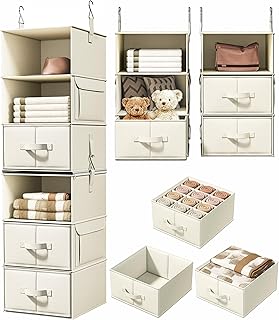
Vailando 6-Shelf Hanging Closet Organizer with 3 Drawers
Honestly, Vailando 6-Shelf Hanging Closet Organizer with 3 Drawers surprised me — sturdier than it looks in the photos, and over 34 buyers gave it 4.5 stars.
16. Turn Thrifted Flat Sheets into Custom Curtains

Custom window treatments are expensive. A good pair of pinch-pleat curtains can easily run you $300. I refuse to pay that. My favorite budget hack is using thrifted or bulk flat sheets to make custom vintage curtains. You want to look for heavy, 100% cotton sheets with a subtle vintage stripe or a crisp white hotel-style border. I bought a two-pack of crisp white Queen flat sheets at Costco last month for $19.99. I took them home, washed them in hot water so they would shrink, and then used iron-on hem tape to create a 3-inch pocket for the curtain rod. I can’t sew a straight line to save my life. I tried using a sewing machine once and ended up stitching the curtain to my own shirt. Hem tape is a lifesaver. You just iron it on, and it holds beautifully. These sheet-curtains have a gorgeous, relaxed drape that looks exactly like expensive vintage linen.
17. Style Bookshelves with Vintage Accessories

The details make the room. You need small, curated moments on your shelves to really sell the vintage aesthetic. Install simple wooden floating shelves and use them to display classic, cloth-bound children’s books. Think original editions of Peter Pan or The Velveteen Rabbit. You can find these at thrift stores for pennies. I also love styling shelves with practical items stored in vintage containers. I use old glass apothecary jars to hold cotton balls and pacifiers. Last week, I was at Kroger buying a gallon of distilled water for the nursery humidifier. I realized the ugly plastic humidifier was ruining the vibe of the room. I ended up hiding it behind a beautiful, oversized vintage globe I found at a flea market. You have to get creative with hiding the modern plastic necessities. I’d even suggest using a heavy canvas tote bag from Trader Joe’s hanging on a door knob to store extra crib sheets.
18. Choose Classic Wooden Toys Over Plastic

The final touch to any vintage nursery is the toys. Nothing ruins a beautifully curated vintage room faster than a giant, flashing, neon plastic toy that plays loud electronic music. Stick to classic wooden toys. They are visually stunning, durable, and actually better for open-ended play. I love the Melissa & Doug classic wooden block sets. A box of 100 solid wood blocks costs about $24.99. They smell like real pine and have a satisfying weight to them. I also highly recommend a classic wooden rocking horse. You can often find beautifully carved vintage rocking horses at antique malls. Just make sure the wood isn’t splintering. I bought a cheap plastic activity center for my first baby. It was an eyesore, and the robotic singing voice drove me insane. I threw it in the donation bin after three weeks. Wooden toys look like decor when they are scattered on a rug.
Designing a nursery shouldn’t feel like a stressful chore. It’s your chance to create a little sanctuary. I hope these tips help you build a space that feels warm, timeless, and uniquely yours. Don’t rush the process. Let the room evolve as you find the perfect pieces. Save this post, pin your favorite ideas, and start hunting for those perfect vintage treasures!
Frequently Asked Questions
What colors work best for a vintage boy nursery?
Muted, earthy tones are ideal. Skip bright pastels and opt for dusty blues, sage greens, warm browns, or faded navy. Colors like Behr’s Royal Orchard or Sherwin Williams Evergreen Fog create a cozy, timeless backdrop for vintage furniture.
Are vintage cribs safe for babies?
Authentic vintage cribs often fail modern safety standards. Slats must be no more than 2.3 inches apart, and pre-1978 paint can contain lead. It’s safer to buy a new vintage-inspired crib, like a modern Jenny Lind style, to ensure safety.
How can I make my nursery look vintage on a budget?
Repurpose an old solid wood dresser into a changing table, use thrifted flat sheets as custom curtains, and print cheap digital vintage art from Etsy at your local pharmacy to create an affordable gallery wall.
What size rug do I need for a nursery?
Most standard nurseries require at least a 4×6 foot rug, while larger rooms need a 5×7 or 6×9 foot rug. Choose a low pile height between 0.75 and 1.25 inches to prevent tripping while carrying your baby.
