What’s Inside
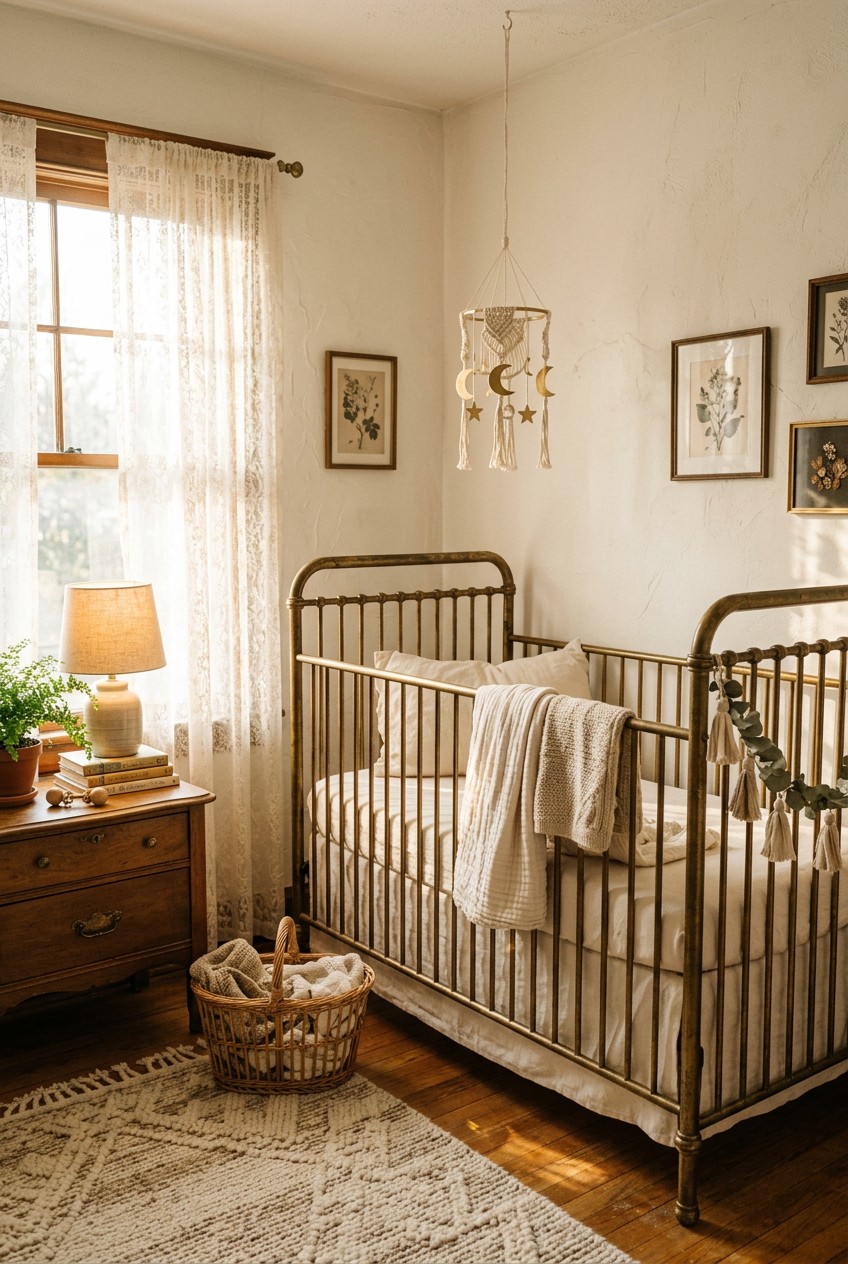
- Invest in a Safety-Certified, Vintage-Style Crib
- Embrace a Muted, Sophisticated Color Palette
- Curate a Gallery Wall with Botanical Prints
- Install a Delicate, Vintage-Inspired Canopy
- Repurpose a Solid Wood Dresser as a Changing Table
- Layer Textures with a Vintage-Style Rug
- Choose Blackout Curtains with a Floral or Toile Pattern
- Prioritize Safety with Vintage Crib Slat Spacing
- Incorporate Small, Display-Only Vintage Figurines
- Shop Sustainably for a Curated 2026 Vibe
- Create Comforting Scent Memories
- Stop Over-Accessorizing the Space
- Add Personalized Heirloom Touches
- Decorate with Classic Children’s Books
- Anchor Absolutely Everything to the Wall
- Swap Out Modern Hardware for Antique Brass Pulls
I spent three weeks crying on the floor of my first daughter’s room, trapped by toxic-smelling second-hand furniture. I wanted a perfect vintage baby girl nursery, but I just ended up with a room that smelled like mothballs and regret. The drawers stuck, the varnish was peeling, and it gave me a massive headache. I’m Lauren Hayes, and I’ve designed dozens of nurseries since that failure. If you’re trying to figure out how to get that dreamy, nostalgic look without making the space feel like a dusty antique shop, you’re in the right place. Creating a beautiful vintage baby girl nursery is about mixing modern safety with carefully chosen older aesthetics. I tried this wrong for months—it took me years to figure it out, no exaggeration. Let’s walk through how to get this look right, down to the paint colors and crib measurements.
1. Invest in a Safety-Certified, Vintage-Style Crib

Don’t buy a 1950s crib at a flea market and put your newborn in it. I’ve seen moms do this; it terrifies me. You need a new crib that meets modern safety standards but keeps that old-world look. I swear by the “Jenny Lind” style crib by DaVinci Baby. It usually runs between $200 and $400 depending on the finish. It has those gorgeous turned-wood spindles that scream vintage charm. Plus, it’s GREENGUARD Gold Certified. That means low chemical emissions, so your baby won’t be breathing in nasty off-gassing fumes. I remember standing in the baby aisle at Target last year, touching the cool, smooth wood of a floor model and realizing this was the piece to anchor a classic room. The mattress fits perfectly snug, leaving no dangerous gaps. Don’t compromise on sleep safety for aesthetics. Get the new crib with the old look.
2. Embrace a Muted, Sophisticated Color Palette

Skip the bubblegum pink. It tastes like wet cardboard for the eyes. If you want a truly vintage baby girl nursery, you need colors with muddy, earthy undertones. For 2026, the trend is moving away from sugary pastels. I highly recommend Farrow & Ball’s “Pink Ground.” It’s a dusty blush pink that feels sophisticated and warm, not like a plastic toy aisle. If you aren’t into pink walls, Sherwin-Williams’ “Sea Salt” is a stunning alternative. It’s a cool, muted green with blue-gray undertones that looks like faded antique linen. I painted my youngest daughter’s room Sea Salt. I was eating a bag of organic dried mangoes from Sprouts while watching the paint dry, and the way the afternoon light hit that grayish-green color was pure magic. Always test a large swatch on your wall first, because these complex colors shift dramatically depending on the natural light.
3. Curate a Gallery Wall with Botanical Prints

Generic baby animal art is fine, but it doesn’t give you that rich, historical feel. Build a gallery wall using vintage-inspired botanical or floral prints instead. You don’t need to spend a fortune on original antique art. I buy digital downloads from Etsy sellers all the time. They usually cost $5 to $15 per print. Download the file and print it yourself on high-quality matte paper. I usually print an assortment of 8×10 inch and 11×14 inch sizes. Last Tuesday at Walmart, I bought a bunch of cheap, ornate gold frames from the craft aisle. I dropped one in the parking lot and shattered the glass, which was a huge pain, but the surviving frames looked expensive once I put the botanical prints inside. Hang three to five of these above the changing table. Use heavy-duty picture hangers rated for at least double the frame’s weight.

Beautiful Wooden Baby Closet Dividers Set of 7
Beautiful Wooden Baby Closet Dividers Set of 7 – Double-Sided Organize has been one of the most consistently praised picks in this category. 11 reviewers averaged 4.5/5.
4. Install a Delicate, Vintage-Inspired Canopy

Nothing says vintage romance like a sheer canopy draped over a reading nook. I’m obsessed with the organic cotton canopies from Numero 74. They cost between $120 and $219, but the texture is incredibly soft, like a worn-in vintage gauze dress. I hung a dusty rose one in a client’s nursery last month. The fabric smelled faintly of natural cotton, and it instantly softened the room’s harsh corners. Here is a massive safety warning, though. You must secure it to the ceiling with a heavy-duty hook screwed directly into a stud. Don’t use flimsy adhesive hooks. Position it over a chair or a floor cushion, not directly over the crib. If it hangs into the crib, it’s a serious strangulation hazard. Keep it safely tucked in a corner to create a cozy, nostalgic reading spot.
5. Repurpose a Solid Wood Dresser as a Changing Table

Most people get this wrong. They buy a dedicated changing table that looks like a cheap hospital cart, then throw it out two years later. Skip that. You want a solid wood antique dresser. I hunt for these on Facebook Marketplace constantly. You can usually find a gorgeous, heavy wood piece for $50 to $200. I once found a stunning French provincial dresser while I was picking up a prescription at Kroger. I saw the listing on my phone, drove two streets over, and shoved it into my trunk. I cleaned the old wood with Murphy’s Oil Soap to bring back the shine. Secure a changing pad to the top. But listen to me: you must anchor the dresser to the wall. Buy anti-tip furniture straps for under $10. The CPSC warns about tip-over accidents constantly. A heavy antique dresser will crush a toddler. Anchor it immediately. You might also like: 20 Lovely Space Saving Small Nursery Ideas for Every Budget
6. Layer Textures with a Vintage-Style Rug

A bare floor in a nursery feels cold and echoey. You need to anchor the space with a large, distressed rug. I look for Oushak or Persian-inspired patterns that look slightly faded. Rugs USA and Revival Rugs are my go-to spots. You can easily find a beautiful 5×7 or 6×9 foot rug for $150 to $500. The intricate floral patterns hide stains brilliantly, which is a lifesaver when dealing with baby spit-up. I bought a faded terracotta rug from Revival last year. The wool texture was slightly scratchy at first, but it softened up beautifully after a few vacuum passes. Place the rug so the front legs of the crib or your nursing glider sit right on top of it. This connects the furniture and makes the room feel intentional. I’d suggest buying a thick, quarter-inch felt rug pad to put underneath for extra crawling cushion. You might also like: 20 Inspiring Yellow Nursery Lighting Ideas for Every Budget

Mr. Pen- Baby Diaper Caddy Organizer, Gray, Medium
If you want something that just works, Mr. Pen- Baby Diaper Caddy Organizer is a safe bet (39 reviews, 4.5 stars).
7. Choose Blackout Curtains with a Floral or Toile Pattern

Sleep is everything. If your baby won’t sleep, you won’t sleep. But you don’t have to settle for ugly, plastic-feeling blackout shades. I use blackout curtains in linen or heavy cotton featuring delicate floral or toile patterns. Anthropologie makes the “Camille Cotton Linen Floral Blackout Curtain,” and it’s stunning. They cost about $110 to $145 per panel. The fabric is thick, heavy, and blocks out the harsh afternoon sun perfectly. Hang the curtain rod high and wide. The curtains should extend at least 6 to 12 inches beyond the window frame and pool slightly on the floor. I made the mistake of hanging short curtains in my first apartment. They looked like high-water pants. It ruined the whole aesthetic. Long, heavy, patterned curtains add instant vintage drama. Steam the wrinkles out of the linen before hanging them up so they drape beautifully. You might also like: 15 Lovely Baby Boy Crib Bedding Ideas That Are Totally Worth It
8. Prioritize Safety with Vintage Crib Slat Spacing

I know I mentioned buying a new vintage-style crib, but I need to hammer this safety point home. If you insist on using a family heirloom crib, you have to measure it. The U.S. Consumer Product Safety Commission (CPSC) clearly states that crib slats must be no more than 2 3/8 inches apart. That’s roughly 6 centimeters. If the gap is wider, a baby’s head can get trapped. I’ve had clients cry when I told them they couldn’t use their grandmother’s antique crib. It’s heartbreaking, but safety comes first. Older cribs also have drop sides, which are banned now because they cause fatal accidents. Also, old paint often contains lead. Don’t mess around with old crib hardware. If the slats are too wide or it has a drop side, use it to hold stuffed animals or blankets. Don’t put a human baby in it under any circumstances.
9. Incorporate Small, Display-Only Vintage Figurines

To get that authentic, curated look, you need a few genuinely old accessories. I love using delicate porcelain figurines. Small Lladro or Hummel pieces are perfect for a vintage baby girl nursery. You can find them at antique shops for $30 to $250 depending on how rare they are. I found a tiny, pristine Hummel girl holding a basket at a thrift store right next to the Whole Foods in my neighborhood. It cost me $12, and I practically ran to the register. The smooth, cold porcelain and the faded pastel paint are just beautiful. But these aren’t toys. They are massive choking hazards and they shatter into razor-sharp pieces. Place them on high floating shelves or inside a glass-front display cabinet. I secure mine to the shelf with a tiny dot of clear museum wax so they won’t vibrate off.
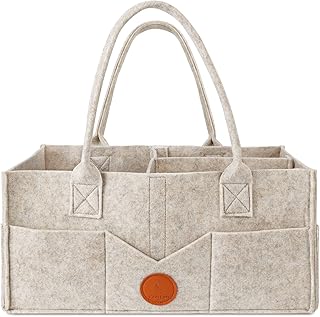
Maliton Baby Diaper Caddy Organizer for Changing Table
A dependable everyday pick — Maliton Baby Diaper Caddy Organizer for Changing Table pulls in 32 ratings at 4.5 stars. Not flashy, just solid.
10. Shop Sustainably for a Curated 2026 Vibe

The biggest trend for 2026 nurseries isn’t a specific color. It’s sustainable sourcing. Buying everything brand new from a big box store looks flat and generic. To get a room with soul, you need to mix in real vintage pieces. I scour local antique malls, flea markets, and online platforms like Chairish. Buying second-hand reduces your environmental impact and ensures your baby’s room is unique. I bought a stunning 1920s brass floor lamp off Chairish a few months ago. The heavy metal base had this gorgeous, natural green patina that you can’t fake with modern spray paint. It took three weeks to ship, and the box was a nightmare to open, but the lamp changed the entire corner of the nursery. Always smell the drawers of old furniture before buying, as cigarette smoke is impossible to remove. Embrace the hunt for clean, unique items.
11. Create Comforting Scent Memories

This is a surprising tip that most designers ignore. A room isn’t just about what you see. It’s about what you smell. You can create a subtle, comforting scent association for your baby. I lightly mist a natural linen spray on the nursery curtains and decorative pillows a few weeks before the baby arrives. I highly recommend The Laundress Fabric Fresh. It costs about $16 and has a clean, soft scent with hints of lavender and chamomile. Don’t use heavy artificial plugins. They give me instant migraines and are terrible for tiny lungs. Just a light spritz of a natural spray on the fabrics. Whenever I smell chamomile now, I’m instantly transported back to rocking my newborn at 3 AM. It creates a powerful, calming sensory memory for both you and your baby. Wash all the vintage fabrics in unscented detergent first to strip old odors.
12. Stop Over-Accessorizing the Space

Honestly, this changed how I design. When people decide on a vintage theme, they usually go overboard. They buy antique lace, old dolls, rusty wagons, and fifty framed pictures. The room ends up looking like a cluttered Victorian attic. It’s visually exhausting and physically unsafe once the baby starts crawling. I made this mistake in my own house. I had so many knick-knacks on the dresser that I couldn’t even set down a bottle of diaper cream without knocking over a silver rattle. It drove me crazy. My rule is simple. For every large piece of furniture, select exactly two or three small decorative items. That’s it. Keep the changing table completely clear of clutter. Let the solid wood dresser and the beautiful rug do the heavy lifting. A serene, balanced environment is much better for a baby’s developing nervous system than a chaotic, cluttered one.

Modanais Baby Diaper Caddy Organizer Cart
If you want something that just works, Modanais Baby Diaper Caddy Organizer Cart – 3 Tier Rolling Storage Car is a safe bet (308 reviews, 4.5 stars).
13. Add Personalized Heirloom Touches

A vintage baby girl nursery shouldn’t look like a museum display. It needs personal, sentimental touches. Commissioning custom, bespoke pieces is a huge trend right now. I love ordering custom hand-embroidered name banners from Etsy artisans. They usually cost between $40 and $80. The thick cotton canvas and the raised, textured embroidery floss look high-end. You can also frame an heirloom piece of clothing. My mother saved the lace baptism gown I wore in the eighties. I had it professionally framed in a shadow box with UV-protective glass and a simple, distressed wood frame. It hangs securely above my daughter’s bookshelf now. The fragile, yellowed lace adds so much authentic history to the room. Adding these personal items makes the space feel rooted in your family’s story, rather than just copying a generic catalog page.
14. Decorate with Classic Children’s Books

Books aren’t just for reading. They are fantastic, cheap decor. I use beautifully illustrated vintage children’s books to add color and texture to floating shelves. You can find old copies of Beatrix Potter or Winnie the Pooh at almost any thrift store for $5 to $15 each. Look for books with worn cloth covers and thick, matte paper pages. I was at a massive used bookstore near Costco last month and found a 1960s edition of Peter Rabbit. The spine was slightly frayed, and the pages smelled like vanilla and old paper. Always flip through the pages to make sure there isn’t any hidden mold or water damage. I stacked three of these classic tales on top of a small side table next to the nursing glider. They provide a wonderful nostalgic charm, and you can actually read them to your child as she grows older.
15. Anchor Absolutely Everything to the Wall

I will never stop talking about this. I mentioned anchoring the dresser earlier, but you must anchor every single piece of tall or heavy furniture in the room. Bookshelves, wardrobes, floor mirrors. All of it. The CPSC strongly recommends using heavy-duty anti-tip kits. Toddlers are climbers. They will pull out the bottom drawer of an antique wardrobe and try to use it as a step stool. If that heavy wood piece isn’t bolted to a wall stud, it will fall. I bought a gorgeous, heavy oak bookcase for a client. We spent an extra hour finding the wall studs and drilling in the steel cable anchors. It’s a pain, and it leaves holes in the drywall, but you can’t put a price on preventing a fatal accident. Avoid the cheap plastic zip-tie anchors. Buy the metal bracket ones. Make the room beautiful, but make it safe first.

PeraBella Diaper Caddy Organizer for Changing Table
If you want something that just works, PeraBella Diaper Caddy Organizer for Changing Table is a safe bet (19 reviews, 4.5 stars).
16. Swap Out Modern Hardware for Antique Brass Pulls

If you bought a modern dresser because you couldn’t find a good antique one, you can fake the vintage look easily. Just change the hardware. Most modern dressers come with cheap, shiny nickel knobs that look terrible. I swap them out for heavy, antique brass pulls. You can find gorgeous, detailed brass or glass knobs at Anthropologie or Hobby Lobby for about $6 to $12 each. I was wandering through Trader Joe’s buying my weekly stash of dark chocolate peanut butter cups when I realized the floral pattern on my reusable grocery bag would look amazing as a cabinet knob design. I went online that night and ordered floral ceramic knobs for my nursery closet doors. Just make sure you measure the hole-to-hole distance on your existing drawer pulls before ordering replacements. It takes ten minutes and a screwdriver to change them out, but the heavy, cool touch of real metal upgrades a cheap piece of furniture.
Creating a vintage baby girl nursery takes a little patience, but the result is worth it. You don’t need a room full of expensive antiques. You just need a few solid pieces, a muted color palette, and a strict adherence to modern safety rules. I’ve spent years perfecting this balance so you don’t have to cry on the floor over mothball-scented dressers like I did. If you’re currently planning your nursery, pin this article to your mood board so you can reference the specific paint colors and safety measurements later. You’ve got this!
Frequently Asked Questions
How do I make a vintage baby girl nursery safe?
Always use a brand new, safety-certified crib that just looks vintage. Never use antique drop-side cribs. Anchor all heavy antique dressers and bookshelves to the wall using heavy-duty anti-tip straps to prevent dangerous tip-over accidents.
What are the best paint colors for a vintage nursery?
Skip bright, sugary pastels. Opt for muted, earthy tones with complex undertones. Farrow & Ball’s Pink Ground offers a sophisticated dusty blush, while Sherwin-Williams’ Sea Salt provides a gorgeous, faded blue-green aesthetic.
Where can I find affordable vintage nursery decor?
Look for digital botanical print downloads on Etsy to frame yourself. Shop local thrift stores for classic children’s books, and scour Facebook Marketplace or antique malls for solid wood dressers you can repurpose as changing tables.
Can I use an antique crib for my baby?
No, it’s incredibly dangerous. The CPSC mandates crib slats must be no more than 2 3/8 inches apart. Older cribs often have wider slats and illegal drop sides. Buy a modern, GREENGUARD certified vintage-style crib instead.

5 thoughts on “16 Vintage Baby Girl Nursery Worth Trying”