What’s Inside
- Prioritize Safety with New, Vintage-Style Cribs
- Embrace a Muted, Earthy Color Palette
- Incorporate Curated Vintage Wall Art
- Opt for Vintage-Inspired Wallpaper on an Accent Wall
- Layer Lighting with Dimmers for Ambiance
- Choose Washable, Low-Pile Vintage-Look Rugs
- Incorporate Natural Wood Tones in Furniture
- Utilize Wicker Baskets for Stylish, Breathable Storage
- Repurpose Vintage Dressers for Toy Storage
- Integrate Heirloom Pieces Thoughtfully
- Embrace Sculptural Furniture for Modern Vintage Appeal
- Choose Organic and Natural Textiles
- Avoid Overdoing the Vintage Theme
- Consider a Color Drenching Approach
- Incorporate Scalloped Details for Whimsical Charm
- Display Classic Books as Decor
- Upgrade Basic Furniture with Brass Hardware
- Add Subtle Woodland Touches
I spent three weeks last November crying on the floor of my son’s half-finished room because the antique crib I bought off Facebook Marketplace smelled intensely like mothballs and had visible lead paint chipping onto the floorboards. Designing a vintage baby boy nursery shouldn’t end in tears and a panicked call to a lead testing company. I learned the hard way that mixing old-world charm with modern safety takes a very specific strategy. I tried this wrong for months before figuring it out. You want a room that feels nostalgic and warm, but you also need a space that actually functions for 3 AM diaper blowouts. I’m here to share exactly how to get that timeless aesthetic without compromising on safety or your sanity. Let’s skip the expensive mistakes and focus on what actually works for a classic boy’s room. It’s a total win.
1. Prioritize Safety with New, Vintage-Style Cribs

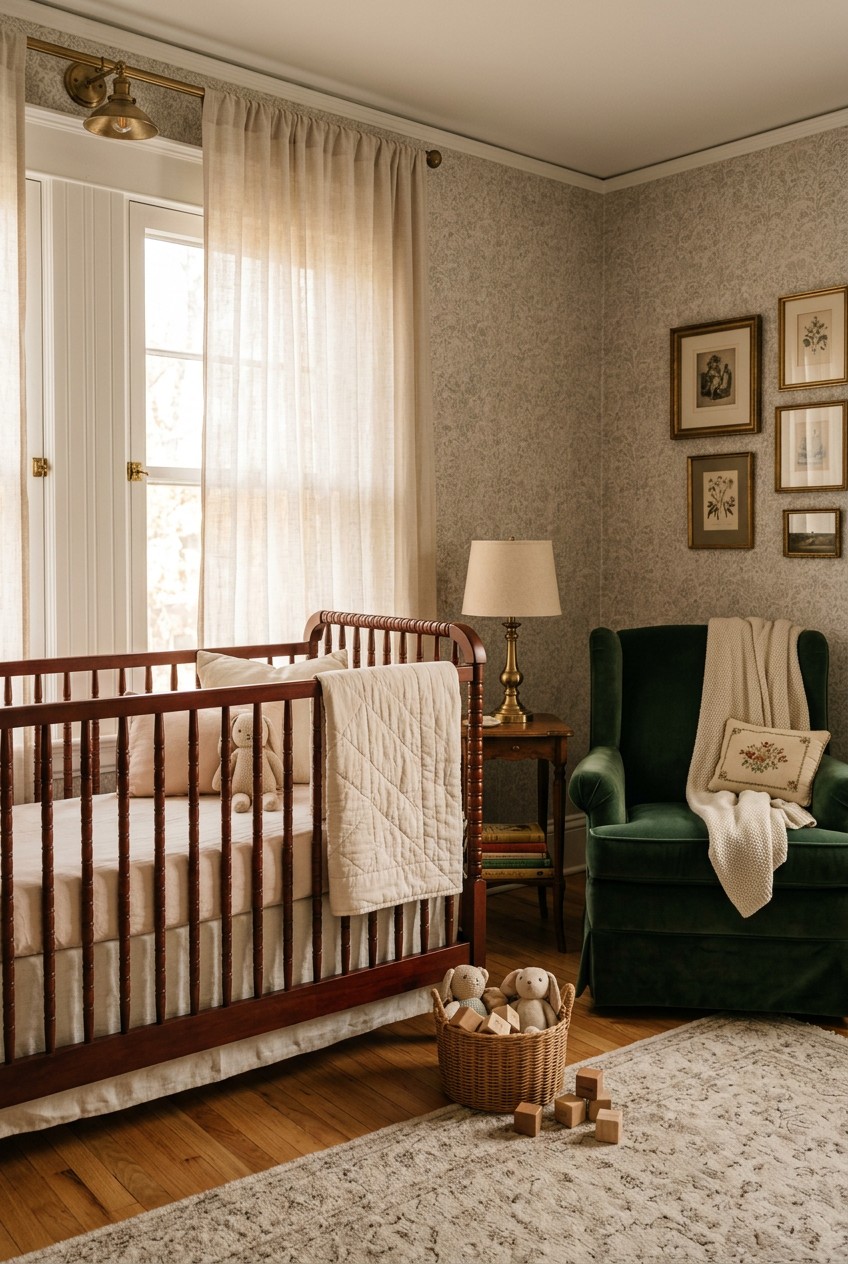
Let’s talk about cribs first because this is where I messed up big time. While antique cribs offer undeniable charm, you absolutely must opt for a new, vintage-style crib that meets current safety standards. The U.S. Consumer Product Safety Commission banned drop-side cribs after 2011. Older cribs often have unsafe slat spacing (anything more than 2 3/8 inches apart is a hazard) or outdated hardware that poses strangulation risks. I personally swear by the DaVinci Jenny Lind 3-in-1 Convertible Crib. It has that classic spindle design, comes in rich wood finishes, and usually costs around $249.99. Another stunning option is the Namesake Winston 4-in-1 Convertible Crib. It runs about $699.00 and gives you that heavy metal, vintage hospital-bed look but converts for long-term use. I remember wandering the aisles at Target last year, grabbing a giant iced coffee, and realizing I had to throw away my unsafe antique find. Learned that the hard way. Don’t make my mistake. Buy new for the bed.
2. Embrace a Muted, Earthy Color Palette

Move beyond stark whites and those overly bright pastels that scream 1990s pediatrician office. For a sophisticated vintage look, you’re going to want muted, earthy tones that create a calming atmosphere. Bold primaries clash with vintage aesthetics and age poorly as your child grows. I highly recommend incorporating shades like warm mushroom, cocoa brown, sage green, or dusty olive. For a classic boy’s room, I’m obsessed with Benjamin Moore’s 2054-60 Old Pickup Blue. It costs about $64.99 per gallon and looks exactly like faded denim. Another great option is Benjamin Moore’s 786 Highland Breeze. Skip the bright stuff entirely. I painted my first nursery a neon sky blue and it felt like living inside a highlighter. The muted tones hide scuff marks better and make the room feel grounded and cozy. You won’t regret going softer with your wall colors.
3. Incorporate Curated Vintage Wall Art

You want to create a gallery wall with a thoughtful selection of vintage-inspired art rather than overwhelming the space with too many random items. I’ve seen nurseries that look like crowded antique malls, and it’s just too visually chaotic for a baby. Mix giclee prints of classic children’s book illustrations with framed vintage postcards. You can find incredible downloadable vintage prints on Etsy for $5.00 each. I take them to my local print shop and then use Framebridge (around $85.00 per frame) to make them look professional. Last Tuesday at Whole Foods, I was actually sketching out a gallery wall layout on a napkin while waiting in line. I realized that leaving negative space between frames is crucial. Don’t cover every inch of the wall. A few well-placed, high-quality pieces with thick matting will give you that expensive, curated look without feeling cluttered.

JolyWell Night Light for Kids
JolyWell Night Light for Kids punches above its price — 51 buyers rated it 4.5 stars. I would buy it again.
4. Opt for Vintage-Inspired Wallpaper on an Accent Wall

Use wallpaper to add character and depth, but keep it to one focal wall to avoid making the room feel too busy. Wallpapering an entire room in a small space can induce vertigo. A heritage plaid wallpaper in soft greens and maroons sets a perfect storybook backdrop. The Sister Parish Serendipity print is a massive favorite of mine for its charming, hand-blocked pattern, though it’s pricey at $148.00 per roll. If you’re on a budget, look for peel-and-stick options with a blue striped or subtle coastal feel. I tried wallpapering all four walls of a client’s nursery once, and we had to rip three walls down because it felt like a funhouse. Stick to the wall directly behind the crib or use it on the upper half of walls above some crisp, white wainscoting. It’s the easiest way to inject instant age into a brand new room.
5. Layer Lighting with Dimmers for Ambiance

Lighting is everything in a nursery. You need a calm lighting setup using soft, warm layers of light with dimmer switches. This creates a serene environment for nighttime feeds and early mornings. I can’t stress this enough: harsh overhead lighting will ruin your baby’s sleep and your mood. Install a House of Antique Hardware Premium Single-Pole Push Button Dimmer Switch. They run about $33.49 and have these gorgeous brass push-buttons that look straight out of 1920. Pair this with bulbs that have a warm 2700K temperature. I usually grab a 4-pack of GE Relax LED bulbs at Walmart for $9.94. Include a linen drum shade pendant light and a soft-glow table lamp on a side table. I learned this the hard way when I blinded myself and my screaming newborn at 3 AM with a daylight-balanced bulb. Warm, dimmable light is mandatory. Trust me on this.
6. Choose Washable, Low-Pile Vintage-Look Rugs

Select a machine-washable rug with a vintage pattern to combine practicality with style. In a nursery, spills and bodily fluids are inevitable. I used to buy expensive wool rugs for nurseries until a massive spit-up incident ruined a $500 rug in ten seconds. Now, I only use washables. Brands like Nourison Home offer incredible vintage collections. I highly recommend the Roehit Beige and Brown Machine Washable Performance Area Rug from Wayfair. It features a Persian-inspired motif with purposeful distressing and a soft 0.2-inch low-pile construction. A 5×7 usually costs around $119.99. The low pile means the vacuum glides right over it, and you can shove the whole thing into your washing machine on laundry day. It feels soft underfoot but stands up to heavy foot traffic. Skip the fluffy shag rugs. They trap dust, hide dropped pacifiers, and you can’t clean them properly. You might also like: 20 Creative Small Spaces Baby Room Organization Ideas You Haven’t Thought Of

Mr. Pen- Baby Diaper Caddy Organizer, Gray, Medium
A dependable everyday pick — Mr. Pen- Baby Diaper Caddy Organizer pulls in 39 ratings at 4.5 stars. Not flashy, just solid.
7. Incorporate Natural Wood Tones in Furniture

Shift away from stark white-painted furniture and move towards natural wood tones. This adds warmth, character, and a connection to nature. Stark white furniture gets dirty instantly and often looks cheap. Choosing a crib and dresser in light, natural wood like beechwood or a washed oak finish brings an earthy, grounded feel to the room. I love the Babyletto Lolly 3-Drawer Dresser in Washed Natural, which retails for $399.00. Look for pieces with classic design elements, detailed carvings, or antique finishings on the knobs. Natural wood grain hides minor scratches and dents much better than painted MDF. When my toddler inevitably whacked his wooden toy truck against our oak dresser, the tiny dent just blended into the wood grain. If that had been white paint, it would have left a glaring chip. Wood tones are practical and visually stunning. You might also like: 20 Charming Small Nursery Ideas to Transform Your Space
8. Utilize Wicker Baskets for Stylish, Breathable Storage

Employ durable, eco-friendly wicker baskets for organizing diapers, wipes, toys, and blankets. Their natural texture adds warmth and blends perfectly with vintage themes. The open weave of wicker actually prevents moisture buildup, keeping baby products fresh. I use Artera Home’s Rectangular Water Hyacinth Storage Baskets. A set of three costs about $34.99. I use shallow 12x8x4 inch baskets for diaper changing essentials on top of the dresser. I buy water wipes in massive bulk boxes at Costco, and staring at that cardboard packaging ruins the whole aesthetic. Decanting them into wicker baskets fixes the problem instantly. Use larger 20x15x12 inch lidded baskets on the floor for extra blankets and stuffed animals. Make sure the floor baskets are at a child’s height for easy clean-up as they grow. Wicker is tough, looks expensive, and hides a multitude of plastic baby sins. You might also like: 20 Clever Daycare Nursery Room Ideas You Can Try Today
9. Repurpose Vintage Dressers for Toy Storage

Instead of buying a new, flimsy plastic toy bin, repurpose a vintage wooden dresser for toy storage. This adds massive character and is highly budget-friendly. Search thrift stores or Facebook Marketplace for a solid wood dresser with deep drawers. You want drawers that are at least 18 inches deep and 24 inches tall to accommodate bulky wooden toys and board games. I found a gorgeous mid-century dresser for $40 last month. It smelled a bit musty, so I wiped the inside of the drawers with white vinegar and left them in the sun for a day. Then I used Howard Restor-A-Finish, which costs $9.98 at most hardware stores, to buff out the scratches. You can even remove the top two drawers entirely to create open shelving for displaying classic books. It’s a heavy, sturdy piece that anchors the room beautifully.

PeraBella Diaper Caddy Organizer for Changing Table
A dependable everyday pick — PeraBella Diaper Caddy Organizer for Changing Table pulls in 19 ratings at 4.5 stars. Not flashy, just solid.
10. Integrate Heirloom Pieces Thoughtfully

Select one or two meaningful heirloom pieces to add a personal touch and a sense of history without cluttering the space. This could be a vintage rocking chair passed down from your grandmother, a handcrafted brass mirror, or a set of solid wooden blocks. I have my grandfather’s old wooden toy chest in my son’s room. However, you must ensure any fabric items are thoroughly cleaned or completely reupholstered for hygiene. I used a Bissell Little Green Machine, which costs $123.59, to deep clean an old upholstered glider I inherited. I bought the specialized upholstery cleaning solution at Kroger while doing my weekly grocery run. The water that came out of that chair was terrifyingly black. Don’t bring dirty fabrics into a clean nursery. Clean them properly, and let those few special pieces shine against the newer, safer furniture.
11. Embrace Sculptural Furniture for Modern Vintage Appeal

Incorporate sculptural furniture with soft curves and round silhouettes. This adds sophistication and a modern touch to the vintage aesthetic, keeping the room from looking like a dusty antique store. Look for rounded cribs, a glider with a dramatically curved back, or an organic-shaped wooden side table. These pieces add visual interest while maintaining a warm and inviting feel. I’m a huge fan of the Pottery Barn Kids Comfort Swivel Glider. It has beautiful sloping arms and a rounded back, retailing for $899.00. I used to have a very boxy, square armchair in the nursery, and I constantly bruised my thighs on the sharp corners while holding the baby in the dark. Curved furniture is visually softer and physically safer for sleep-deprived parents navigating a small room at night. It’s a simple swap that makes a massive impact.
12. Choose Organic and Natural Textiles

Opt for 100% organic cotton or muslin bedding in soft floral prints, classic gingham, or delicate ditsy patterns. This enhances the vintage feel while ensuring your baby’s comfort and safety against their sensitive skin. Skip the cheap polyester blends. They don’t breathe well and they pill terribly after three washes. I always recommend the Burt’s Bees Baby Organic Cotton Fitted Crib Sheet in their classic gingham print. It’s $19.95 and gets softer every single time you wash it. Select bedding in muted tones like dusty rose, sage, cream, and soft yellow. These colors layer beautifully. I bought a cheap synthetic crib sheet once, and my son woke up sweating constantly. Switching to pure organic muslin fixed his sleep temperature immediately. Natural fibers drape better, look more authentic to a vintage theme, and hold up to the aggressive washing required in a nursery.

Modanais Baby Diaper Caddy Organizer Cart
A dependable everyday pick — Modanais Baby Diaper Caddy Organizer Cart – 3 Tier Rolling Storage Car pulls in 308 ratings at 4.5 stars. Not flashy, just solid.
13. Avoid Overdoing the Vintage Theme

A common pitfall is filling the room with way too many antique items, making it feel like a creepy museum rather than a cozy nursery. You aren’t designing a set for a period drama. Keep it simple, sprinkle in a few statement pieces, and let the room breathe. The goal is a curated vintage look. I pair modern, clean-lined floating shelves with vintage brass bookends. I use a modern Little Unicorn Cotton Muslin Quilt, which costs $49.99, but drape it over an antique wooden chair. If every single item in the room is old, distressed, or sepia-toned, the room feels heavy and depressing. You need fresh, bright elements to balance the age. Crisp white curtains, a brand new plush rug, and modern acrylic drawer organizers inside the vintage dresser keep the space feeling current and functional for a modern baby.
14. Consider a Color Drenching Approach

For a bold yet sophisticated vintage look, consider color drenching. This means painting the walls, the baseboards, the window trim, and even the ceiling in a single, saturated, but muted shade. It creates a cocoon-like, immersive environment that feels incredibly calm. I recently used Farrow & Ball’s Pigeon, which is a stunning blue-grey-green that costs $145.00 per gallon, to color drench a small nursery. By painting the trim the exact same color as the walls, the room actually felt taller and less chopped up. I used to paint all trim bright white out of habit, but it creates harsh visual lines that break up a small space. Color drenching in a dusty blue or rich sage wraps the room in warmth. It’s a bold choice, but it pays off beautifully for a vintage aesthetic.
15. Incorporate Scalloped Details for Whimsical Charm

Scalloped forms are a trending detail that adds the perfect amount of whimsical charm to a boy’s vintage nursery without being overly feminine. You can find scalloped edges on rugs, picture frames, or even floating wall shelves. It breaks up all the straight, rigid lines in a room. I absolutely love the Crate & Kids Scalloped Jute Rug, which runs $199.00 for a 4×6. The natural jute material is rugged and boyish, but the scalloped border gives it a playful, vintage nod. I also bought plain wooden floating shelves and glued a thin, scalloped wooden trim piece from the hardware store to the front edge before painting them. It cost me $12 and completely changed the look of basic shelving. Small scalloped details bring a subtle, nostalgic sweetness that feels very classic and tailored.
Maliton Baby Diaper Caddy Organizer for Changing Table
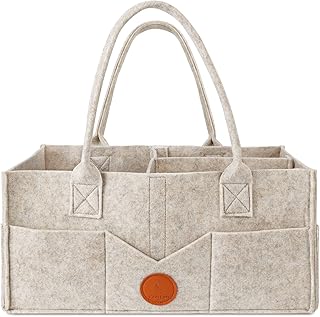
Honestly, Maliton Baby Diaper Caddy Organizer for Changing Table surprised me — sturdier than it looks in the photos, and over 32 buyers gave it 4.5 stars.
16. Display Classic Books as Decor

Books are the cheapest and most beautiful vintage decor you can buy. Displaying classic children’s books on forward-facing shelves acts as both a functional library and colorful wall art. I use the IKEA FLISAT wooden wall storage shelves. They’re only $17.99 each and hold books perfectly. I remember snacking on hot bar food from Whole Foods while sitting on the floor trying to assemble four of these shelves. It was worth the frustration. I fill them with vintage editions of Beatrix Potter, classic Winnie the Pooh, and old copies of Make Way for Ducklings. The muted colors of vintage book covers perfectly match the earthy room palette. Don’t hide beautiful books in a deep basket where they’ll get bent and crushed. Displaying them encourages reading and adds instant nostalgia to the walls without spending a fortune on framed art.
17. Upgrade Basic Furniture with Brass Hardware

If you can’t afford a real vintage dresser, buy a basic, inexpensive wooden dresser and upgrade the hardware. Swapping out cheap factory knobs for heavy, unlacquered brass hardware completely changes the look of a piece. I bought a plain pine dresser and added Rejuvenation Massey Drawer Pulls in aged brass. They cost $22.00 each, which adds up, but it made a $150 dresser look like a $1,000 antique. Unlacquered brass will naturally tarnish and develop a gorgeous patina over time from the oils on your hands. I tried using cheap spray-painted gold knobs from Amazon once, and the paint chipped off within a month, revealing shiny silver plastic underneath. It looked terrible. Spend the extra money on solid brass hardware. It’s the jewelry of the room and gives new furniture instant historical weight.
18. Add Subtle Woodland Touches

A vintage boy’s room pairs perfectly with subtle nature and woodland themes. I’m not talking about cartoonish bears or bright green plastic trees. I mean delicate, hand-painted looking details. I used Rocky Mountain Decals Birch Tree Wall Decals in a soft grey. A full set costs $115.00. They have a beautiful matte finish that looks exactly like custom wallpaper or a hand-painted mural. I applied them to one corner of the room to create a small reading nook. After finishing the room, I drove straight to Sprouts to buy a massive pint of celebratory chocolate ice cream because applying decals requires serious patience. You can also add small touches like a carved wooden acorn lamp or a framed vintage botanical print of oak leaves. Keep the nature elements realistic and muted to maintain that sophisticated, old-world charm.
Designing a vintage baby boy nursery doesn’t have to be overwhelming or dangerous. By mixing safe, new furniture with carefully curated vintage accents, muted colors, and natural textures, you’ll create a room that feels both historic and highly functional. I’ve used these exact strategies in my own home, and they truly work. Pin this list for your late-night planning sessions, and don’t be afraid to take your time finding those perfect pieces!
Frequently Asked Questions
Are vintage cribs safe to use?
No, true vintage cribs often have unsafe slat spacing, drop-sides, or lead paint. I strongly recommend buying a new, vintage-style spindle crib that meets current CPSC safety standards instead.
What are the best colors for a vintage baby boy nursery?
Muted, earthy tones work best. Think dusty blues, sage greens, cocoa browns, and warm mushroom. Avoid bright, saturated primary colors, as they clash with the vintage aesthetic.
How do I add a vintage feel without making the room look cluttered?
Focus on a few curated pieces. Use one piece of natural wood furniture, add unlacquered brass hardware, and display a few classic books. Avoid filling every corner with antiques.
What type of rug is best for a vintage nursery?
A low-pile, machine-washable rug with a faded Persian or vintage motif is ideal. It provides the classic look you want while being easy to clean after inevitable spills.

1 thought on “18 Vintage Baby Boy Nursery You Need to See”