What’s Inside
- Embrace Front-Facing Nursery Bookshelf Ideas for Early Engagement
- Prioritize Child-Height Accessibility
- Utilize Wall-Mounted Picture Ledges for Space-Saving
- Invest in Clear Acrylic Floating Shelves for a Modern Look
- Anchor All Bookshelves Securely to the Wall
- Choose Non-Toxic and GREENGUARD Gold Certified Materials
- Implement a Book Rotation System
- Consider Multi-Functional Cube Storage for Longevity
- Incorporate Themed or Whimsical Bookshelves
- Use Fabric Book Slings for Soft Storage
- Integrate Baskets and Bins for Organized Clutter Control
- Create a Cozy Reading Nook
- DIY Picture Ledges for Customization
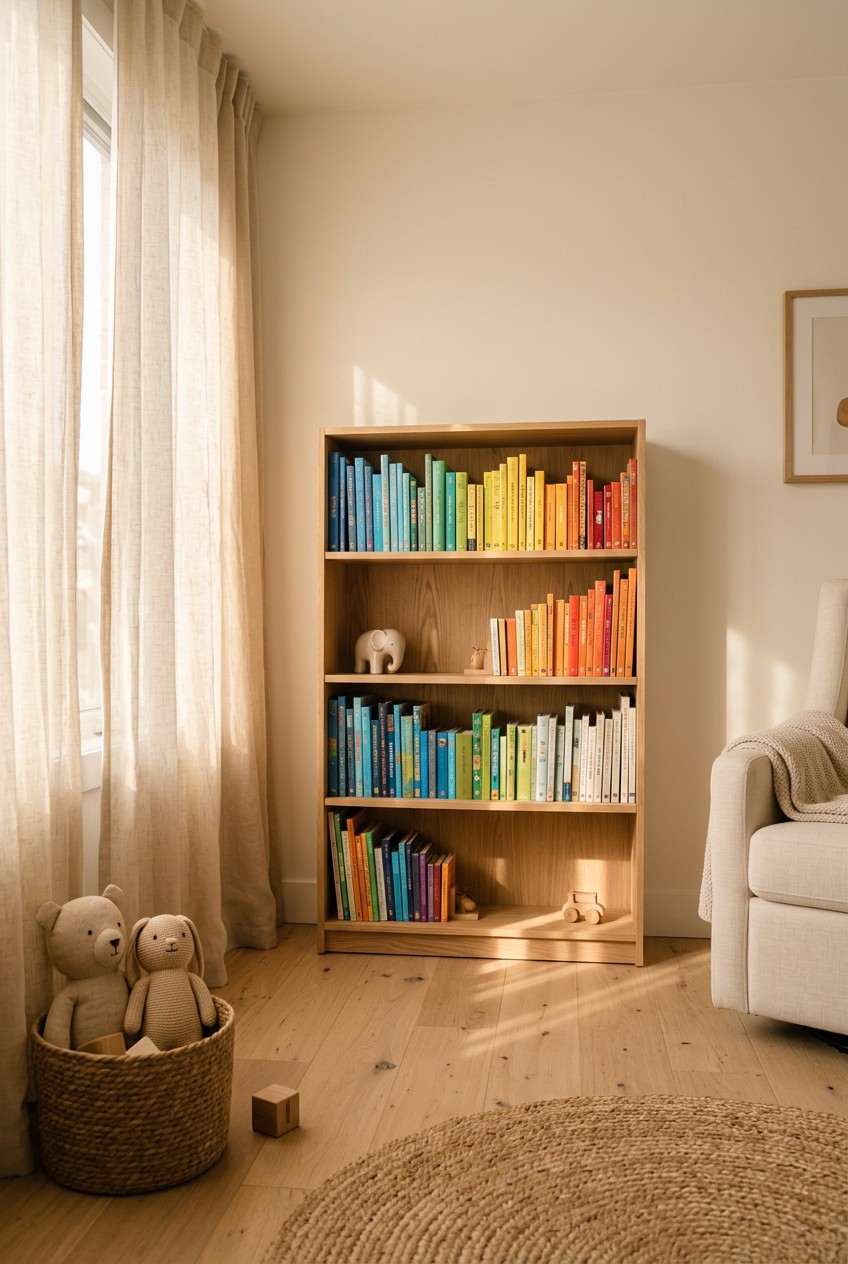
- Style Books as Art
- Consider a Low, Mobile Book Display
- Combine Storage and Seating with a Reading Bench Nursery Bookshelf Ideas
I spent four hours last Tuesday crying on the floor of my daughter’s room, surrounded by a collapsed pile of board books. My first attempt at nursery bookshelf ideas involved flimsy command strips and a heavy piece of MDF from Home Depot, which ended exactly how you’re picturing. The sharp crack of the wood hitting the laminate floor still haunts me. I’ve made every mistake possible when it comes to organizing baby books. I bought shelves that were too tall, bins that were too deep, and brackets that ripped massive holes in my drywall. Learned that the hard way.
After three kids and countless hours rearranging furniture, I’ve finally figured out what actually works. You don’t need a massive library setup. You need smart, accessible storage that survives sticky fingers and aggressive toddlers. I’m sharing the exact setups I use, the specific products I buy, and the absolute disasters you need to avoid. Let’s fix your book storage before you end up weeping over a broken shelf like I did. Here are my favorite ways to display books.
1. Embrace Front-Facing Nursery Bookshelf Ideas for Early Engagement

I’m starting with the most important lesson I’ve learned about displaying books. You need front-facing displays. When I first set up my oldest daughter’s room, I lined up all her board books spine-out on a standard tall shelf. She couldn’t see the covers, so she just yanked them all onto the floor by the handful. The loud thud of heavy cardboard hitting the hardwood floor woke the baby in the next room. I finally bought the ECR4Kids Birch Streamline Book Display ($79.99, 30 inches wide). It fixed the problem instantly. This Montessori-inspired approach makes books visually appealing because the child can actually see the artwork. They choose independently instead of just destroying the shelf. I tried this wrong for months before figuring it out. The rigid spines of board books just aren’t engaging for a nine-month-old. Skip the traditional library setup. It’s useless for babies. You want them to see the bright colors of the covers. Just be prepared to read “The Very Hungry Caterpillar” fifty times a day.
2. Prioritize Child-Height Accessibility

If your child can’t reach the books, they won’t read them. It’s that simple. I used to keep the nice books up high to protect them from getting ripped. That was a huge mistake. The books just gathered a thick layer of gray dust. You need to ensure shelves are low enough for your child to reach on their own. I personally swear by the Target Pillowfort 2-Tier Bookcase ($65.00, exactly 24 inches high). I bought this last month at Target and the fresh, sharp pine smell filled the whole room. Montessori bookshelves are typically around two feet tall, empowering children to select and return books independently. When I finally moved the books down to her level, my toddler sat on the rug for forty-five minutes just flipping pages. The negative here is that you’ll be picking up books constantly at first. They will pull every single book off the shelf just because they can. Let them do it. It’s part of the learning process. Just make sure the shelf is sturdy enough that they can’t pull it over on themselves.
3. Utilize Wall-Mounted Picture Ledges for Space-Saving

If you’re dealing with a tiny nursery, floor space is precious. You can’t waste it on bulky furniture. Wall-mounted picture ledges are a lifesaver. IKEA MOSSLANDA picture ledges are a popular and affordable choice. I buy the 45 1/4 inch length ($14.99 each). These shallow shelves are perfect for displaying board books with their covers facing forward. They also double as art display shelves as your child grows. I have a terrible track record with these, though. Last Tuesday, I tried to install one without finding a stud. I used cheap plastic drywall anchors. I put five heavy board books on the ledge, and the whole thing ripped out of the wall, leaving jagged two-inch holes in the drywall and white dust all over the carpet. Learn from my stupidity. Buy heavy-duty metal toggle bolts. Once properly installed, they look incredible. They sit flush against the wall and hold about 8 to 10 standard board books per ledge. It’s a clean, minimalist look that keeps the floor completely clear for playmats and tummy time.

Criusia Drawer Organizer Clothes
A dependable everyday pick — Criusia Drawer Organizer Clothes pulls in 1 ratings at 4.5 stars. Not flashy, just solid.
4. Invest in Clear Acrylic Floating Shelves for a Modern Look

Sometimes wood shelves feel too heavy in a small, bright room. If you want a modern, uncluttered look, clear acrylic floating shelves are the way to go. I was standing in line at Sprouts last Friday, holding a 16 oz clamshell of organic strawberries, scrolling on my phone when I saw a nursery with these shelves. I bought them immediately. Brands like LELLOBABY offer sets of two acrylic floating shelves (15 inches wide, $39.99 for the set). These transparent shelves create a minimalist aesthetic, making books appear to float. They don’t visually clutter the space at all. However, I have to be honest about the upkeep. Acrylic shows every single smudge. My toddler touches them with sticky, jam-covered fingers, and the clear plastic instantly looks like frosted glass. I wipe them down with a damp microfiber cloth at least twice a week. If you can’t stand smudges, skip the acrylic. But if you wipe them regularly, they look absolutely stunning and make the colorful book covers pop against the wall. You might also like: 20 Creative Crib Bedding Ideas to Transform Your Space
5. Anchor All Bookshelves Securely to the Wall

I won’t sugarcoat this. If you don’t anchor your nursery furniture, you’re making a massive mistake. This is a critical safety measure to prevent tip-overs. I bought the Delta Children Tree Bookcase ($149.99, dimensions: 45.75”W x 43.5”H x 17”D) because it looked adorable. It’s heavy MDF. While I was assembling it, I dropped a piece on my big toe and the sharp pain made me see stars. That heavy wood is exactly why it needs anchors. It comes with a flimsy fabric wall anchor strap. Throw that away. I bought a heavy-duty metal anti-tip kit ($12.99 at Home Depot) and secured it directly into a wooden wall stud. Babies will climb anything. They will use the bottom shelf as a ladder step. If that shelf comes down, it’s a disaster. I tried using heavy-duty zip ties once on a different wire shelf, and they snapped under the weight of just a few books. Use real metal brackets. It takes ten extra minutes and a power drill, but the peace of mind is non-negotiable. You might also like: 15 Lovely Baby Boy Crib Bedding Ideas That Are Totally Worth It
6. Choose Non-Toxic and GREENGUARD Gold Certified Materials

We spend so much time worrying about organic baby food, but we forget about the furniture off-gassing into the nursery. For a healthier environment, you must select bookshelves made from materials tested for low chemical emissions. I bought a cheap particle board shelf online a few years ago. When I opened the box, the harsh chemical smell of the glue gave me an instant headache. It smelled like a nail salon. I left it in the garage for a week and it still stunk. I threw it out and bought the Babyletto Spruce Bookcase ($249.00, 41 inches high). Brands like Babyletto and Delta Children offer GREENGUARD Gold certified options. This ensures they meet stringent air quality standards. I was actually at Whole Foods buying a $6.99 bag of organic apples when I realized the irony of feeding my kid clean food while she slept next to a toxic shelf. Spend the extra money on certified furniture. You’ll smell the difference immediately. It just smells like clean, solid wood instead of industrial adhesives. You might also like: 20 Cozy Whimsical Nursery Lighting Ideas You Haven’t Thought Of

Criusia Over the Door Organizer
A dependable everyday pick — Criusia Over the Door Organizer pulls in 208 ratings at 4.5 stars. Not flashy, just solid.
7. Implement a Book Rotation System

You don’t need to display fifty books at once. A surprising but incredibly effective trick is to display only a curated selection of 4-6 books at a time and rotate them every few weeks. I used to jam every single book we owned onto one shelf. My son would walk into the room, look at the visual chaos, get overwhelmed, and walk away. He never read. I finally bought three Sterilite 15 Qt clear plastic bins ($5.98 each at Walmart). I packed away 80% of the books. I kept exactly six books on his low shelf. Suddenly, he started reading again. This rotation keeps your child engaged, makes old books feel brand new, and prevents overstimulation from too many choices. The negative part is that you actually have to remember to rotate them. I usually do it on Sunday nights when I’m putting away laundry. I swap out three books for three different ones. It takes two minutes, but the impact on their attention span is massive.
8. Consider Multi-Functional Cube Storage for Longevity

If you want a shelf that lasts from the newborn phase all the way to middle school, you can’t beat cube storage. The IKEA KALLAX shelf unit (4-cube version, 30 3/8 inches square, $44.99) is a versatile workhorse. When laid on its side, it provides low, accessible cubbies perfect for books and toys. I was at Costco last month, wrestling a giant 900-count box of baby wipes into my cart, when I realized those wipes fit perfectly into a KALLAX cube. It adapts to literally any storage need. The mistake most people make is standing the 4-cube unit upright in a nursery. Don’t do that. Lay it flat on the floor. It creates a perfect bench height for a toddler to stand at. The downside is that books easily get shoved to the back of the deep 15-inch cubes, making them hard to see. I fix this by putting a 4-inch block of wood at the back of the cube so the books sit closer to the front edge.
9. Incorporate Themed or Whimsical Bookshelves

Nurseries should be fun. While I love a minimalist look, sometimes you just need a giant wooden giraffe holding your books. Themed designs add so much personality to a room. I bought the Teamson Kids Giraffe Bookcase ($119.99, 32 inches tall) for my niece. The smooth, painted wood felt high-quality, and the bright yellow color totally transformed the boring beige corner of her room. These animal-shaped bookcases serve as both storage and decorative elements. Honestly, it’s a great way to skip buying expensive wall art. The shelf is the art. The negative here is that the odd shapes mean you lose some practical storage space. The giraffe’s neck takes up vertical room where another shelf could go. But if you have a smaller book collection, it’s completely fine. Just be careful with the assembly. I stripped two screws trying to attach the giraffe’s head because I didn’t read the instructions properly. Use a manual screwdriver, not a power drill, on these painted wooden pieces.

Beautiful Wooden Baby Closet Dividers Set of 7
Honestly, Beautiful Wooden Baby Closet Dividers Set of 7 – Double-Sided Organize surprised me — sturdier than it looks in the photos, and over 11 buyers gave it 4.5 stars.
10. Use Fabric Book Slings for Soft Storage

If you have a crawler who pulls up on everything, hard wooden corners are terrifying. Fabric book slings are a fantastic, soft alternative. I bought the Humble Crew 6-tier book rack organizer (dimensions: 12″D x 25″W x 30″H, $34.99). It has deep nylon fabric pockets slung across wooden dowels. These are incredibly lightweight, display books front-facing, and are super gentle on delicate board books. If your baby bumps their head on the fabric, they won’t even notice. I do have a major warning about these, though. Do not buy them if you have a puppy. My Golden Retriever chewed straight through the bottom canvas pocket to get to a board book that smelled like peanut butter. I had to sew a massive, ugly patch over the hole. Also, paper-thin paperback books tend to flop forward in the deep pockets. This shelf is strictly for stiff board books and thick hardcovers. For those, it’s absolutely perfect and holds about 25 books easily.
11. Integrate Baskets and Bins for Organized Clutter Control

Bookshelves aren’t just for books. You need a place to hide the ugly plastic toys and the weird stuffed animals people gift you. Place decorative baskets or fabric bins on the bottom shelves to store smaller items. I absolutely love Pehr canvas storage containers ($40.00, 13×13 inches). They fit perfectly into standard cube bookcases. I was eating a 16 oz jar of peanut butter pretzels from Trader Joe’s while organizing the nursery, and I realized I could fit an entire mountain of loose wooden blocks into just one Pehr bin. The rough, thick canvas texture stands up to a lot of abuse. The mistake I made early on was buying cheap, unstructured cloth bins. They collapsed the second my kid leaned on them, spilling toys everywhere. You need rigid, structured bins. Use the top shelves for beautiful books and the bottom bins for the chaotic clutter. It makes the room look clean in about thirty seconds when guests come over.
12. Create a Cozy Reading Nook

A bookshelf is useless if there isn’t a comfortable place to actually sit and read. You need to position accessible bookshelves next to a cozy spot. I bought the Pottery Barn Kids Anywhere Chair ($159.00, 20 inches wide) and placed it right next to our low shelves. The soft sherpa fabric is incredibly plush. My daughter drags her books right to the chair. Unfortunately, she also dragged a sippy cup of milk there, spilled it, and the sour milk smell lingered in the foam insert for a week before I figured out how to wash it properly. Always buy the slipcovered version so you can throw it in the washing machine. This dedicated space encourages independent reading and makes story time a special ritual. Add a thick, washable rug underneath. I use a 4×6 foot Ruggable pad. When they have a designated, soft area, they will naturally gravitate toward the books instead of running laps around the room.

Delta Children Nursery Storage 48 Piece Set
Delta Children Nursery Storage 48 Piece Set – Easy Storage/Organizatio punches above its price — 17 buyers rated it 4.5 stars. I would buy it again.
13. DIY Picture Ledges for Customization

If you want a specific stain color to match your crib, store-bought shelves usually won’t cut it. You can build your own picture ledges for almost nothing. I went to Home Depot and bought one 1×4 inch pine board and one 1×2 inch pine board. I glued and screwed them together to make a ledge. The raw wood cost less than $15 per shelf. I bought an 8 oz can of Minwax PolyShades stain in Antique Walnut ($12.98). I stained them on my patio, and the strong chemical smell lingered on my hands for two days. I also got a nasty splinter because I rushed the sanding process. You must sand the edges perfectly smooth with 220-grit sandpaper. Babies will run their hands along the edges. Once they’re sanded and sealed, these DIY ledges look like custom, high-end furniture. You can cut them to the exact inch you need for that weird, empty wall space behind the rocking chair.
14. Style Books as Art

Don’t just shove books onto a shelf haphazardly. Display them like they’re part of the room’s decor. I arrange all the spine-out books by color to create a rainbow effect. It sounds totally neurotic, but it looks incredible and takes exactly two extra minutes. I was at Kroger buying a $9.99 bouquet of yellow sunflowers, and I realized adding a pop of yellow to the book display would tie the room together. I use decorative bookends to hold up the paperbacks. The Skip Hop Fox Bookends ($22.00, set of 2) are heavy enough to hold up thick hardcovers without sliding. The faux leather texture feels great, too. The one mistake I’ll warn you about is over-styling. I tried putting fragile ceramic figurines next to the books. My toddler shattered a ceramic bunny in three seconds flat while reaching for “Goodnight Moon.” Keep the styling child-proof. Stick to soft bookends, wooden toys, or tightly sealed snow globes if you want to add visual interest.
15. Consider a Low, Mobile Book Display

Sometimes you don’t want the books stuck in one corner of the room. A mobile display is brilliant for this. I bought the IKEA FLISAT book display (49 cm wide, 28 cm deep, 41 cm high, $24.99). It’s a low-standing, easily movable wooden box with a handle in the middle. I drag it from the nursery to the living room constantly. It holds about 15 books. The light pine wood is super smooth. However, because it sits directly on the floor and is so low, it’s a massive tripping hazard. I tripped over it in the dark last month and jammed my knee into the doorframe. It hurt for a week. You must push it flush against a wall before you turn the lights out. Despite the bruised knee, I absolutely love it. It promotes reading flexibility. If my kid wants to read in the kitchen while I cook, I just slide the FLISAT into the kitchen. It’s the best twenty-five dollars I’ve spent.
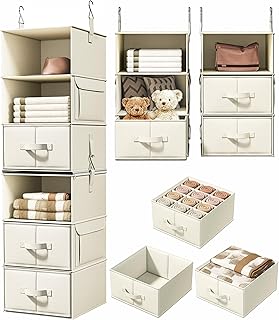
Vailando 6-Shelf Hanging Closet Organizer with 3 Drawers
Honestly, Vailando 6-Shelf Hanging Closet Organizer with 3 Drawers surprised me — sturdier than it looks in the photos, and over 34 buyers gave it 4.5 stars.
16. Combine Storage and Seating with a Reading Bench Nursery Bookshelf Ideas

If you have the floor space, a combination piece is incredible. I bought the KidKraft Bookcase with Reading Nook ($129.99, 40 inches wide). It has six storage cubbies and a padded seating area right in the middle. My kids climb right into the center cushion to read. The gray canvas cushion is decently soft. But I’ll warn you right now, the cracks between the cushion and the wood are a nightmare to clean. I found three-month-old, crumbly graham crackers stuffed down the sides, mixed with dog hair and a melted crayon. You have to vacuum the crevices weekly. But the functionality is unbeatable. You get seating and storage in one footprint. The cubbies fit standard 11-inch fabric bins perfectly. I keep books in the top cubbies and wooden puzzles in the bottom ones. It makes the room look custom-built without the massive price tag of built-in carpentry.
Organizing a nursery doesn’t have to end in tears and broken drywall. Start small, keep the books low, and anchor everything to the wall. I’ve learned the hard way that function always beats perfectly styled, inaccessible shelves. Pick one of these ideas, grab your drill, and get to work. Save this post to your nursery Pinterest board so you don’t forget the exact measurements when you’re standing in the middle of IKEA feeling overwhelmed!
Frequently Asked Questions
What is the best height for a nursery bookshelf?
A nursery bookshelf should ideally be around 24 to 30 inches tall. This low height allows toddlers to independently reach and return their own books, following Montessori principles for early engagement.
Are acrylic floating shelves safe for a nursery?
Yes, acrylic floating shelves are safe if properly anchored into wall studs using heavy-duty hardware. Ensure they have rounded edges to prevent injury, though they will require frequent wiping to remove sticky fingerprints.
How do I prevent tall bookshelves from tipping over?
You must secure all tall furniture directly to a wall stud using heavy-duty metal anti-tip brackets. Never rely on cheap plastic drywall anchors or flimsy fabric straps, as toddlers can easily pull heavy shelves down.
Why should I use front-facing nursery bookshelf ideas?
Displaying books with the cover facing out allows babies and toddlers to see the artwork, making them more likely to engage with the books. Spine-out storage is visually unappealing and difficult for young children to navigate.
