What’s Inside
- Swap the Standard Crib for a Mini Crib
- Turn Your Dresser Into a Changing Station
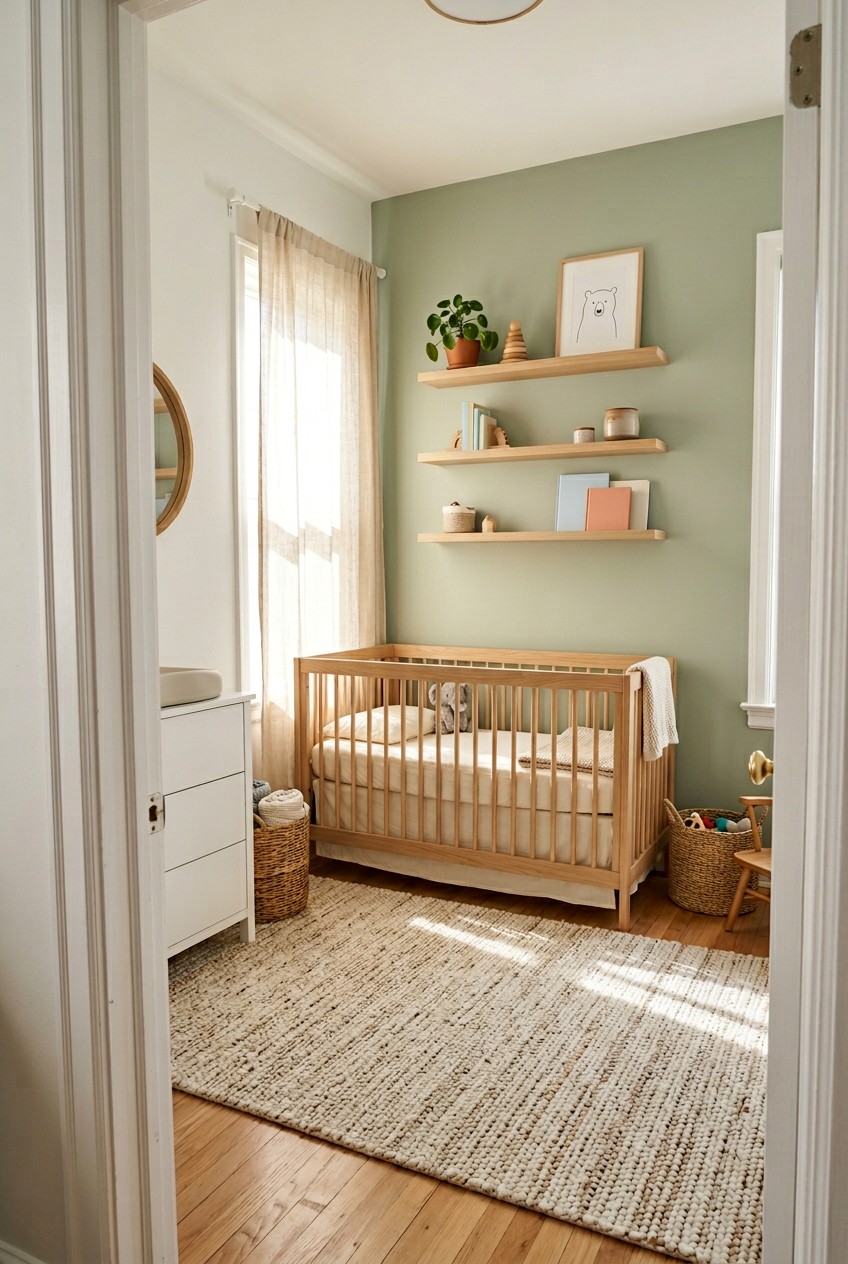
- Install Acrylic Wall Bookshelves
- Squeeze in a Compact Glider
- Hide Clutter With Under-Crib Storage
- Embrace the Biophilic Design Trend
- Paint the Walls Muted Earth Tones
- Double Your Closet Hanging Space
- Bounce Light With a Large Mirror
- Layer Your Lighting for Sleep
- Stop Buying So Much Furniture
- Prioritize Greenguard Gold Certified Pieces
- Roll Out a Utility Cart
- Hide Your Cords With Calm Tech
- Personalize Without Creating Clutter
- Utilize the Back of the Door
- Ditch the Bulky Floor Hamper
- Anchor the Room With a Washable Rug
I stood in a tiny 7-by-8-foot spare room crying last Tuesday. I was sweating through my t-shirt, trying to shove a massive 52-inch standard crib through a door frame it clearly wouldn’t clear. It smelled like fresh spackle and defeat. If you’re searching for box room nursery ideas that actually fit your floor plan, I feel your pain. I tried this wrong for months before figuring it out. You don’t need a sprawling mansion to make a beautiful space for your baby. You just need to be ruthless about dimensions and smart about layout. I’ll walk you through exactly how to squeeze everything you need into a tiny footprint without making it feel like a storage closet. I’ve learned the hard way what works and what completely fails.
1. Swap the Standard Crib for a Mini Crib

Ditch the standard crib. You absolutely need a mini crib to save floor space. Standard mattresses are 28 by 52 inches, which eats up half a box room instantly. A mini crib mattress is usually around 24 by 38 inches. The Babyletto Lolly 4-in-1 convertible mini crib costs $299 and has a frame of about 26 by 40 inches. It’s tiny but mighty. I bought one for a client in a cramped city apartment, and it freed up enough space for her to actually walk around. The Bloom Alma is another great option at $340. It has a super slim profile and lockable wheels for easy movement, though it’s really only for the first 12 months. I’ve learned the hard way that buying big furniture for small spaces just creates bruised shins. Stick to the mini crib. You’ll thank yourself during those 3 AM wakeups when you aren’t tripping over wooden legs in the dark.
2. Turn Your Dresser Into a Changing Station

A key trend for 2026 is multi-functional layouts, especially for small rooms. Don’t buy a standalone changing table; it’s a massive waste of square footage. Instead, use a dresser as a changing table by adding a pad on top. The Babyletto Yuzu 3-Drawer Changer Dresser runs about $399 and comes with a removable changing tray. I’ve used this exact piece in three different tiny nurseries. You get essential storage for tiny socks and swaddles right where you need it. I recommend grabbing a Munchkin Secure Grip Waterproof Diaper Changing Pad for $34.99 at Target to put on top. It grips the dresser surface perfectly. I tried skipping the tray once and just laid a pad on a slippery wooden dresser. Huge mistake. The pad slid around like ice every time the baby kicked. Always secure the pad. This setup saves the space a dedicated table would occupy and looks so much cleaner.
3. Install Acrylic Wall Bookshelves

Floor space is practically nonexistent in a box room, so you have to use your walls. The Booksee Clear Acrylic Wall Bookshelf Set costs $20 and is completely transparent. This means you can display books without adding visual bulk to the room. I hung three of these last month for a client, spacing them exactly 12 inches apart above her glider. It looked amazing. You should also install floating shelves above the changing station. Pottery Barn Kids sells simple white floating shelves for $49. I use them to store 4 oz jars of diaper cream, wipes, and small items in woven baskets. A common mistake is leaving walls blank and piling everything on the floor. Get things up high. Just make sure you aren’t hanging anything heavy directly over the crib. I once dropped a heavy wooden frame while trying to hang it, and it shattered everywhere. Stick to lightweight acrylic or soft baskets near the sleeping zone.

Criusia Drawer Organizer Clothes
If you want something that just works, Criusia Drawer Organizer Clothes is a safe bet (1 reviews, 4.5 stars).
4. Squeeze in a Compact Glider

A comfortable seating area is crucial for feeding and soothing. You definitely want a chair, even in a tiny room. Look for slim gliders designed specifically for compact spaces. The Delta Children Blair Slim Nursery Glider Swivel Rocker Chair costs $299 and is engineered for tight layouts. Its exact dimensions are 26.5 inches wide by 31.5 inches deep. I personally swear by this chair. I sat in one for hours with my nephew, and it’s shockingly comfortable. Another great option is the Storkcraft Premium Hoop Glider and Ottoman, which has the smallest footprint I’ve found, usually retailing around $189 at Walmart. Prices range from $150 to over $400, but you don’t need to spend a fortune. Just measure your space twice. I once ordered a beautiful velvet rocker without measuring. It got stuck in the hallway for three days until I admitted defeat and returned it.
5. Hide Clutter With Under-Crib Storage

Many mini cribs offer built-in drawers underneath. This provides discreet storage for extra sheets, off-season clothes, or bulky toys. The Carter’s by DaVinci Colby 4-in-1 Convertible Mini Crib is a steal at $199 and features two large built-in drawers at the base. It’s brilliant. If your current crib doesn’t have drawers, buy under-bed storage bins. I grabbed two 28-inch plastic rolling bins from Costco for $14.99 last weekend. They slide perfectly under a standard frame. I use them to stash extra packs of wipes and diapers. Leaving those bulky boxes sitting out in a small room makes it look messy. One quick pro tip. Measure the clearance under your crib before buying bins. I bought bins that were 7 inches tall for a crib that only had 6 inches of clearance. I had to drag them back to the store. Always measure first.
6. Embrace the Biophilic Design Trend

A major trend for 2026 is biophilic design. This emphasizes natural materials and earthy tones to create a calming sanctuary. I’m obsessed with this look for box rooms because it stops the space from feeling like a plastic toy explosion. Incorporate wood, rattan, bamboo, and jute textures wherever you can. I recommend a 3-foot round jute rug from Rugs USA for about $45. It adds instant warmth. You should also bring in botanical prints that aren’t overly child-coded. I hang simple fern illustrations in light oak frames. Consider adding a few real, baby-safe plants to improve air quality and sensory engagement. A small Spider Plant in a hanging macrame planter costs maybe $15 at a local nursery. It draws the eye upward and breathes life into a stuffy room. Just make sure the plant is non-toxic. Babies grab everything eventually. Keep the greenery up high. You might also like: 20 Stunning Childcare Nursery Room Ideas Worth Trying This Year

Delta Children Nursery Storage 48 Piece Set
A dependable everyday pick — Delta Children Nursery Storage 48 Piece Set – Easy Storage/Organizatio pulls in 17 ratings at 4.5 stars. Not flashy, just solid.
7. Paint the Walls Muted Earth Tones

Forget bright primary colors. Box room nursery ideas for 2026 favor soft sage greens, muted terracottas, warm creams, cocoa browns, and mushroom taupes. These colors promote better sleep and create a serene atmosphere. Dark or neon colors make small rooms feel like a cave. I painted a tiny nursery Benjamin Moore Saybrook Sage HC-114 last year. A gallon costs about $65. It completely softened the harsh angles. If you prefer neutrals, Sherwin-Williams Creamy SW 7012 is a stunning warm cream that reflects light beautifully. I tried painting a small room navy blue once because I saw it on Pinterest. It was a disaster. The room felt tiny and claustrophobic, and I had to prime and repaint it three days later. Stick to light, earthy tones. They make the walls recede, giving the illusion of a larger space. You might also like: 20 Lovely Space Saving Small Nursery Ideas for Every Budget
8. Double Your Closet Hanging Space

If your box room has a closet, optimize every inch. Builders usually put one single wire rack in there. That’s useless for tiny baby clothes. Add a second rail to double your hanging space. You can buy a simple tension rod from Target for $12 and hang it 36 inches below the top shelf. Suddenly, you have twice the room for tiny pants and sweaters. I also highly recommend using drawer organizers for tiny clothes. The Brightroom 6-piece fabric bin set from Target is $15 and fits perfectly on closet shelves. Use them for socks, hats, and burp cloths. Over-the-door organizers are also excellent for storing shoes or diapers. I bought a cheap plastic one once, and it ripped within a week. Spend the extra money on a sturdy fabric organizer. It won’t tear when you stuff it full of heavy lotion bottles. You might also like: 15 Inspiring Rustic Nursery Room Ideas to Inspire Your Next Project
9. Bounce Light With a Large Mirror

A surprising tip for small spaces is to incorporate mirrors. Placing a large mirror directly across from a window can reflect natural light, making the room appear brighter and much more spacious. I found a gorgeous 30-inch round brass mirror at Kroger in their home goods section for $49.99. I hung it opposite the single tiny window in my client’s nursery. The difference was shocking; it literally doubled the light. You just have to ensure it’s securely mounted into a wall stud and completely out of the crib’s reach for safety. Never lean a mirror against the wall in a nursery. Once the baby starts crawling, it’s a massive hazard. I always use heavy-duty drywall anchors that hold up to 50 pounds, even for lighter mirrors. You can’t be too careful when it comes to heavy glass in a baby’s room.

Criusia Over the Door Organizer
Criusia Over the Door Organizer has been one of the most consistently praised picks in this category. 208 reviewers averaged 4.5/5.
10. Layer Your Lighting for Sleep

Instead of bulky floor or table lamps that eat up floor space, opt for wall-mounted sconces. I love the plug-in brass sconces from Amazon. You can get a set of two for $45. You just screw them into the wall and plug them in. No hardwiring required. Layered lighting is crucial for creating a restful environment. You want a bright ceiling light for playtime, a dim sconce for reading, and a plug-in night light for 3 AM diaper changes. I highly recommend the Hatch Rest Baby Sound Machine and Night Light. It’s $69 and you can control the dimness from your phone. I used to just turn on the overhead light for middle-of-the-night feedings. It woke the baby up completely, and it took two hours to get him back to sleep. Keep the lighting low and layered. Your sleep-deprived brain will thank you.
11. Stop Buying So Much Furniture

A common mistake in small nurseries is trying to fit too many pieces of furniture. You don’t need a crib, a dresser, a changing table, a glider, a bookshelf, and a toy chest. It’s too much. Prioritize essential items like a crib, a changing surface combo, and a compact glider. As expert designer Kim Doren advises, for smaller nurseries, think multifunctional and vertical. I see so many parents cramming a massive wooden toy box into a 10-by-10 room. Just put a soft $20 rope basket in the corner instead. I once tripped over a wooden rocking horse in a crowded nursery and spilled a full 8 oz bottle of breastmilk on the rug. I cried for twenty minutes. Keep the floor clear. If you can’t easily walk from the door to the crib in the dark without dodging furniture, you have too much stuff in the room.
12. Prioritize Greenguard Gold Certified Pieces

For 2026, sustainable and healthy environments are key. Babies spend significant time in their cribs, so selecting Greenguard Gold certified furniture is incredibly important. This certification ensures lower chemical emissions and healthier indoor air quality. In a tiny box room with the door closed, off-gassing furniture can really stink up the space quickly. The Babyletto Hudson 3-In-1 Convertible Crib is Greenguard Gold certified and costs about $399. The Natart Como Classic Crib is another gorgeous, safe option. I bought a cheap, uncertified dresser online once. When I opened the box, it smelled so strongly of chemical glue that it gave me a headache. I had to leave it in the garage for a month before I could bring it inside. Don’t risk that in a tiny room with poor ventilation. Spend a little extra on certified furniture. It’s worth the peace of mind.

Beautiful Wooden Baby Closet Dividers Set of 7
Honestly, Beautiful Wooden Baby Closet Dividers Set of 7 – Double-Sided Organize surprised me — sturdier than it looks in the photos, and over 11 buyers gave it 4.5 stars.
13. Roll Out a Utility Cart

A lesser-known but highly practical tip for box room nursery ideas is to use a rolling utility cart. The IKEA RÅSKOG cart is legendary for this. It costs $39.99 and fits into the tightest corners. I use it for frequently used items like newborn diapers, wipes, 2 oz tubes of diaper cream, and burp cloths. This allows you to easily move essentials to wherever you need them. You can roll it by the crib for late-night changes, or drag it next to your glider for feeding sessions. I used to keep all my nursing supplies on a static shelf across the room. I’d sit down to nurse, realize I forgot my water bottle or a burp cloth, and have to disrupt the baby to go get it. The rolling cart solves all of that. When you’re done, just tuck it away in the closet or next to the dresser.
14. Hide Your Cords With Calm Tech

For 2026, smart nursery tech is trending, but it should blend perfectly into the decor. We call this calm tech. Choose low-EMF monitors, like the Bebcare smart video monitor. It runs about $189 and emits significantly less wireless radiation than standard monitors. More importantly, you need to conceal your cords. Nothing makes a small room look messier than black cables snaking down a light-colored wall. I buy D-Line Cable Raceways from Home Depot for $18. You just stick them to the wall over the cord and paint them to match your wall color. Opt for devices with app integration to reduce clutter from extra screens on your dresser. I used to have a sound machine, a monitor screen, and a room thermometer all crowding my tiny nightstand. Consolidating everything to phone apps cleared up so much surface space. It looks instantly cleaner and less chaotic.
15. Personalize Without Creating Clutter

Instead of overwhelming themes with giant wall decals and matching bed skirts, opt for subtle personalization. Custom name plaques in natural wood are perfect. I order 12-inch laser-cut wooden names from Etsy for about $25. They add warmth without visual chaos. As expert Tenlie Mourning notes, the trend for 2026 is rooms that feel filled with items gathered thoughtfully over years. Think solid wooden toys, hand-sewn stuffies, and vintage finds. I found a beautiful vintage wooden duck at a flea market last Tuesday after grabbing lunch at Sprouts. It cost $12 and looks stunning on the acrylic shelf. Don’t buy those massive 10-piece matching bedding sets. I bought one for my first kid, and half the pieces just sat in the closet taking up space. Stick to a simple fitted sheet and a few meaningful artisan-made pieces.

SNSLXH 5 Pack Stackable Closet Storage Basket
SNSLXH 5 Pack Stackable Closet Storage Basket has been one of the most consistently praised picks in this category. 39 reviewers averaged 4.5/5.
16. Utilize the Back of the Door

When you’re out of wall space and floor space, look at the back of your door. This is prime real estate in a box room. The Container Store Elfa Utility Door and Wall Rack system is a lifesaver. It costs around $89, but it’s incredibly sturdy. I use the metal baskets to hold rolled-up swaddles, 8 oz bottles of baby lotion, and extra pacifiers. I used a cheap fabric shoe organizer on the door once, and the pockets stretched out so badly that everything kept falling on the floor every time I closed the door. The metal mesh baskets won’t sag. Just make sure the door can still open fully without the baskets hitting the wall behind it. You can even install a simple row of hooks for $15 to hang tiny robes or sleep sacks. Every square inch counts. I was at Trader Joe’s buying 2 bags of peanut butter pretzels when I saw a mom using a door rack for snacks, and it inspired me to use it for baby gear.
17. Ditch the Bulky Floor Hamper

A standard round laundry hamper takes up a ridiculous amount of floor space. Get rid of it. Instead, buy a hanging wet bag or a slim laundry bin that fits inside the closet. The 3 Sprouts Canvas Laundry Bin costs $19.99 and has handles that fold down. I actually hang a waterproof wet bag from a heavy-duty Command hook on the back of the closet door. It holds about 15 tiny onesies before it needs to be emptied. I tried keeping a wicker hamper next to the changing table for a few months. I kicked it every single time I walked past it. It drove me insane. Moving the laundry storage off the floor entirely changed how the room functioned. Plus, hanging wet bags are machine washable. When it gets stinky from spit-up clothes, you just toss the whole bag into the wash.
18. Anchor the Room With a Washable Rug

Even if you have carpet, you need an area rug to anchor the space and tie the room together. In a box room, a 3-by-5-foot rug is usually the perfect size. It should sit just slightly under the front legs of the crib. I absolutely swear by Ruggable. Their 3×5 washable rugs cost about $119. Babies ruin rugs. It’s a fact of life. Between spit-up, diaper blowouts, and spilled milk, you’re going to be scrubbing that floor constantly. I bought a gorgeous, expensive wool rug for a client once. It was ruined within three weeks after a catastrophic stomach bug incident. The dry cleaning bill was $80. Never again. Buy a washable rug. You just peel off the top layer and throw it in the washing machine. It saves so much stress and keeps the tiny room smelling fresh instead of like old milk. I was at Whole Foods last week and told a pregnant cashier this exact tip. Washable rugs are non-negotiable.
Wrapping up your box room nursery ideas doesn’t have to be a stressful nightmare. I’ve designed dozens of these tiny spaces, and they always end up being my favorite rooms in the house. There’s something incredibly cozy about a well-organized, compact nursery. Just remember to measure everything twice, prioritize vertical storage, and skip the massive standard cribs. You can absolutely create a stunning, functional space for your baby without needing a massive footprint. Pin this article for later when you’re standing in a store trying to decide if that bulky hamper will fit. Spoiler alert: it won’t. Let’s make that tiny room the best spot in your house.
Frequently Asked Questions
What size crib is best for a box room nursery?
You should opt for a mini crib. They typically measure 24 by 38 inches for the mattress, which saves massive amounts of floor space compared to a standard 28 by 52-inch crib.
How can I maximize storage in a tiny nursery?
Use your walls. Install acrylic bookshelves and floating shelves for lightweight items. You can also use under-crib rolling bins and over-the-door organizers to keep clutter off the floor.
What colors make a small nursery look bigger?
Light, earthy tones are best. Soft sage greens, warm creams, and mushroom taupes reflect light and make the walls recede. Dark or neon colors can make the room feel claustrophobic.
Do I need a changing table in a small nursery?
No. A standalone changing table wastes space. I highly recommend buying a dresser and securing a changing pad to the top. This gives you essential storage and a changing station in one footprint.
